
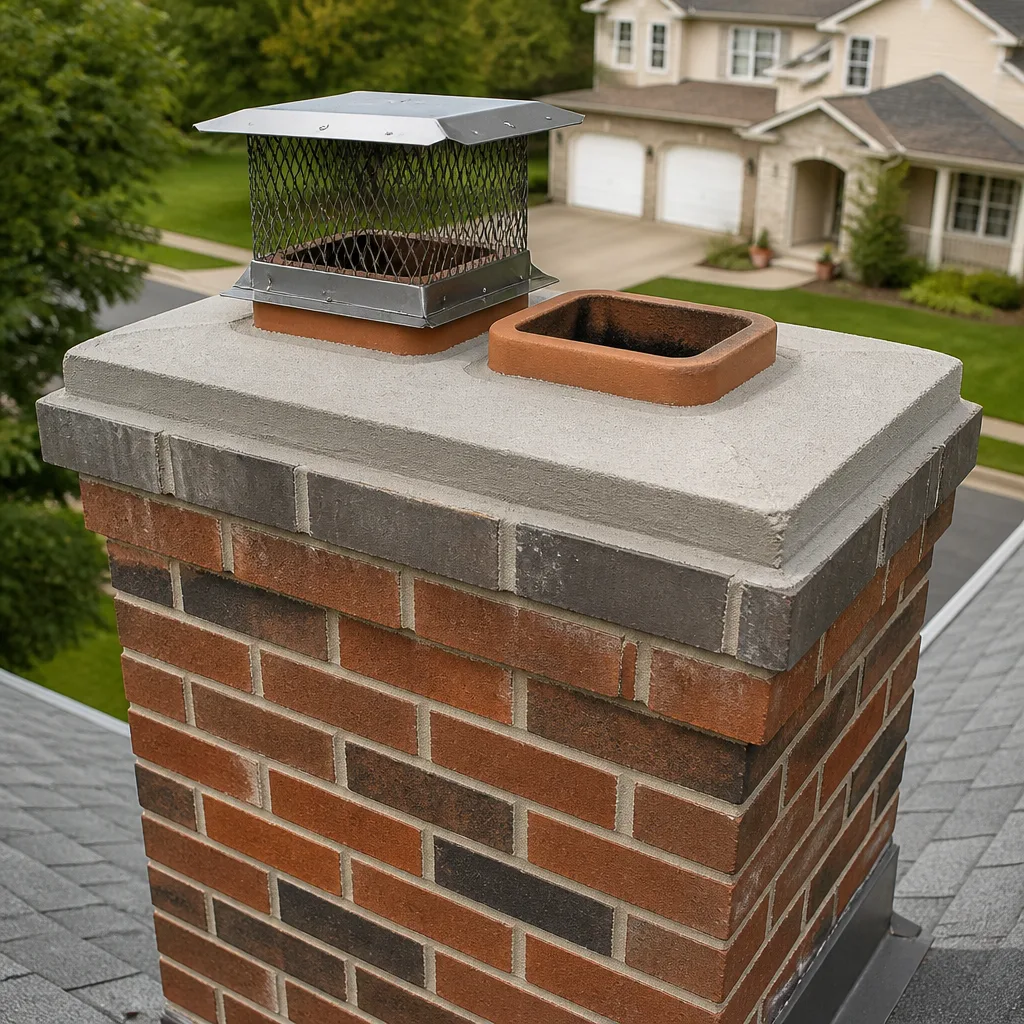
 Sweep & inspection
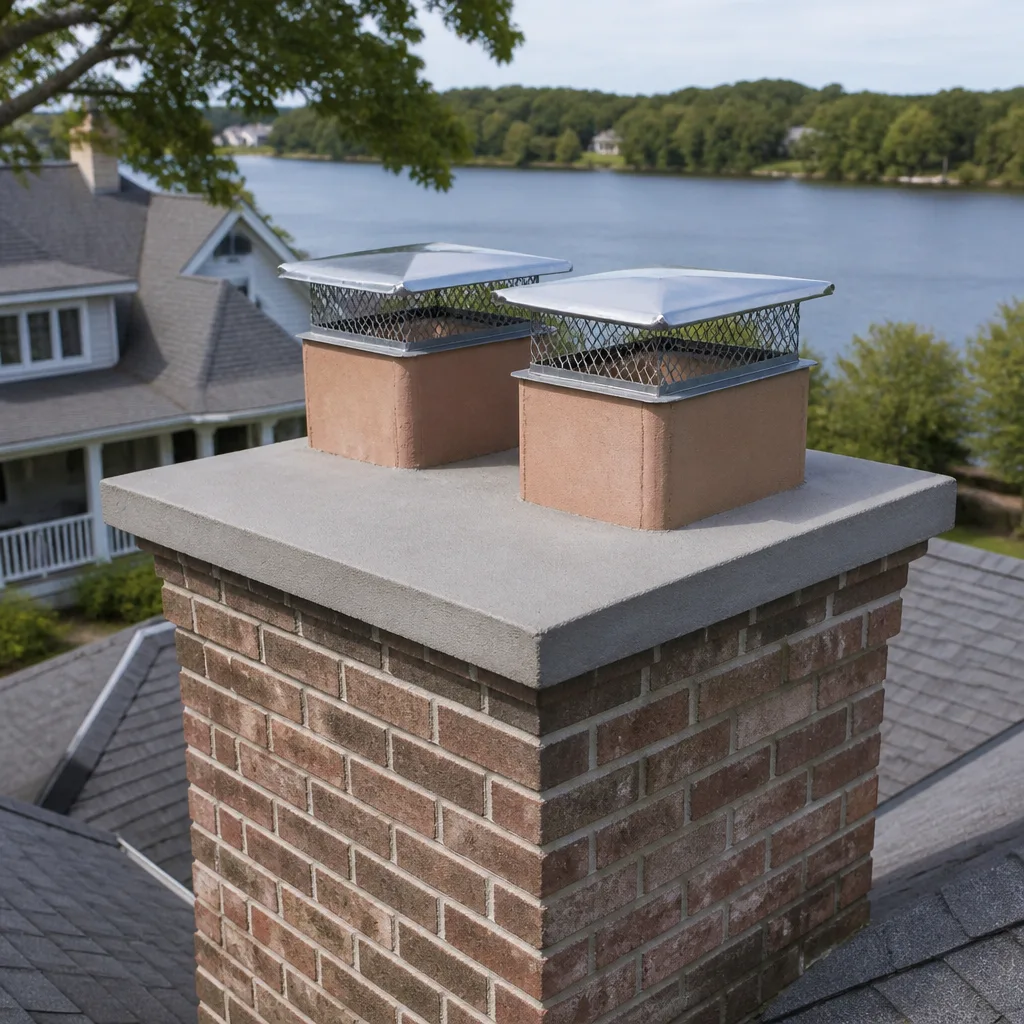 Caps & crowns
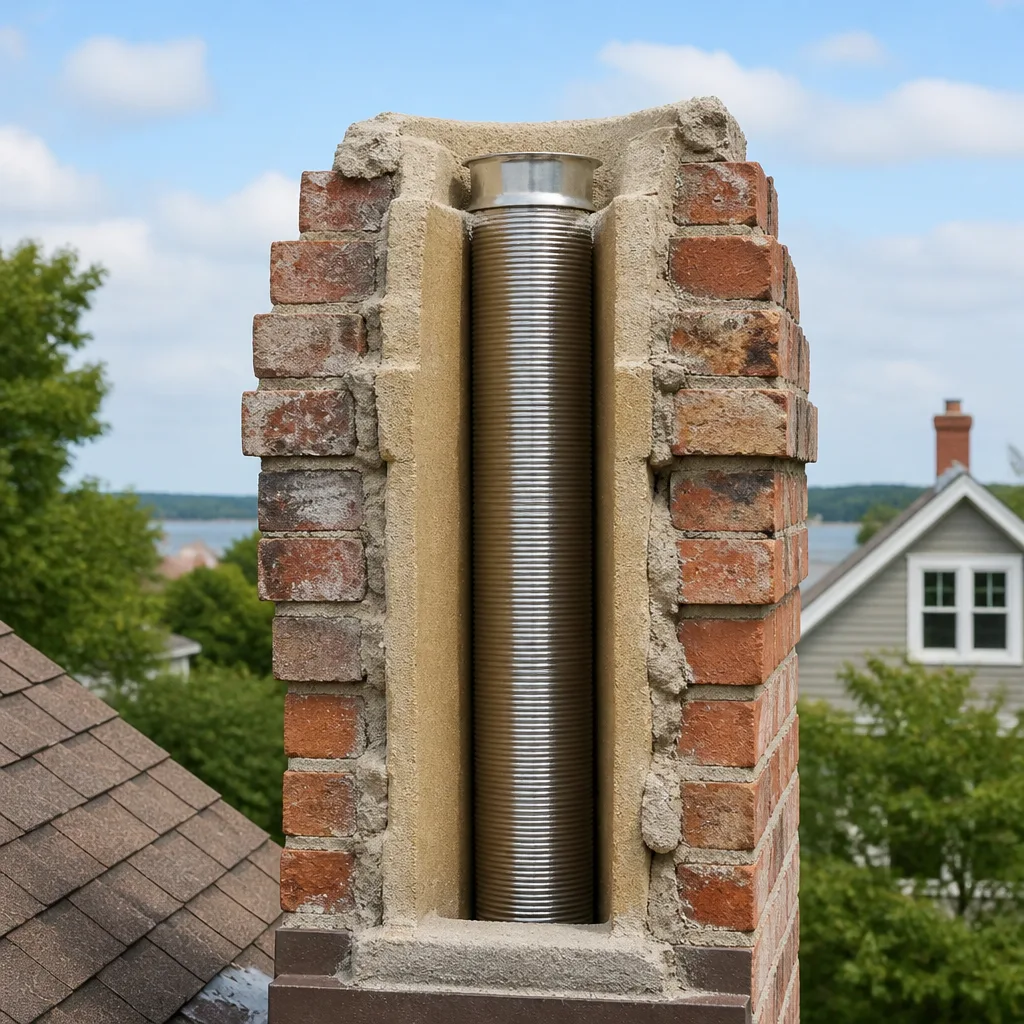 Flue relining
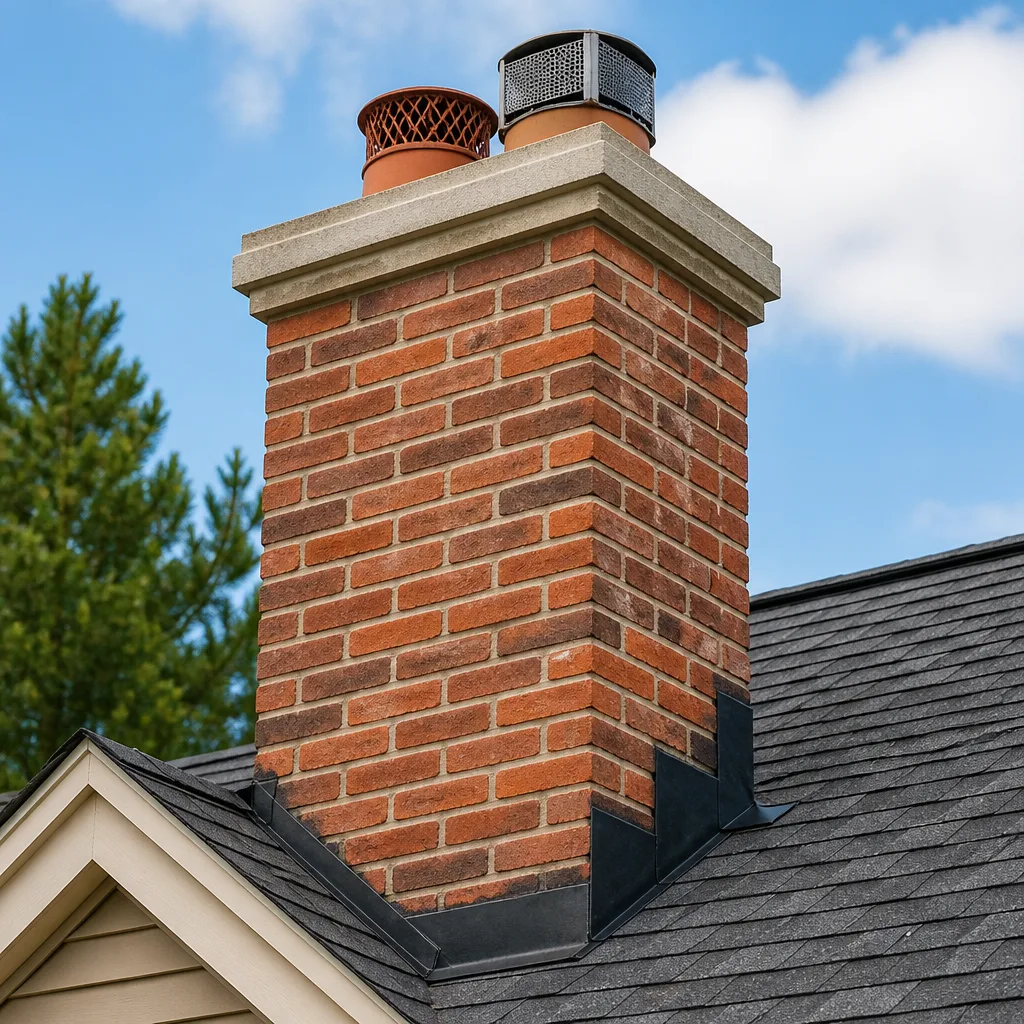 Masonry repair
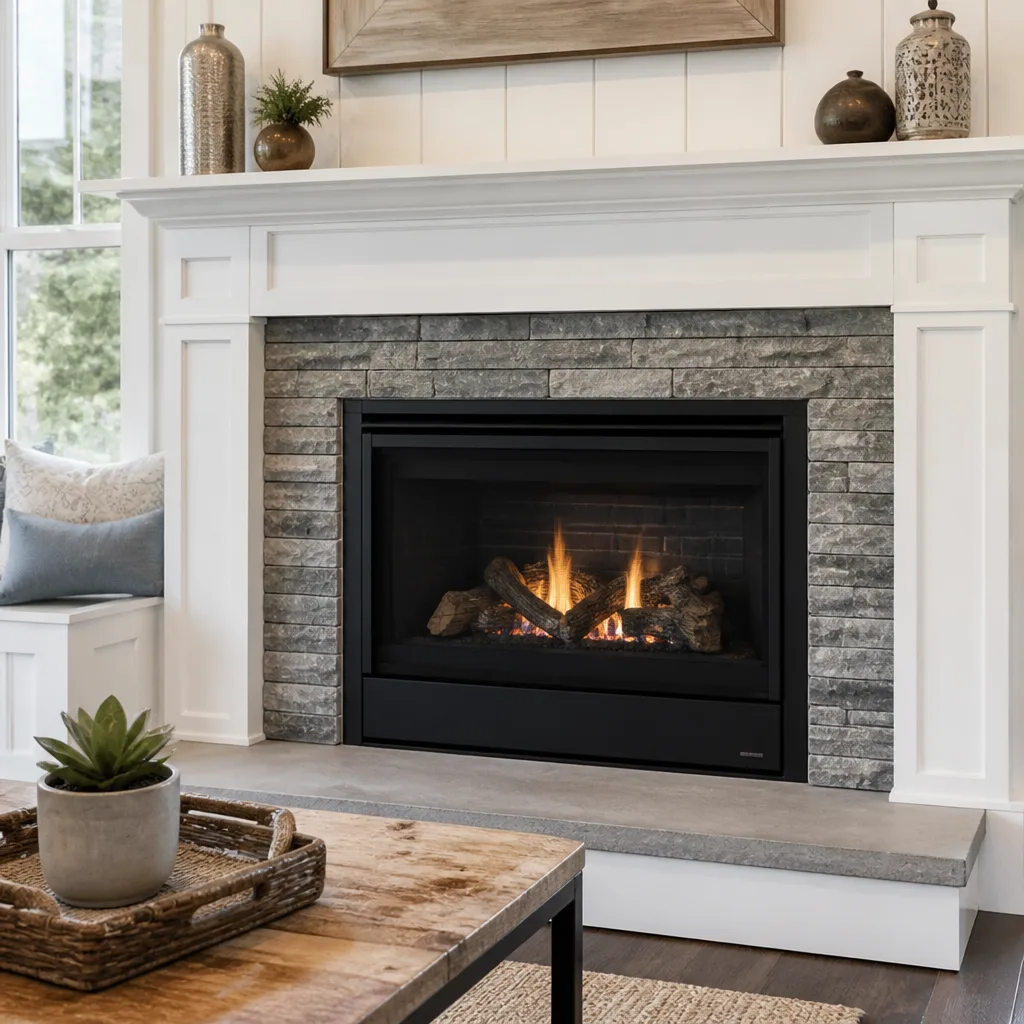 Gas fireplace service
Level 1 sweep and inspection to the NFPA 211 annual standard - flue, crown, cap, and flashing checked and photographed
Chimney sweep logs do not sweep chimneys. They loosen some creosote - which then falls where a brush and vacuum still have to collect it.
Styles & brands we work with
- Sweep & inspection
- Caps & crowns
- Flue relining
- Masonry repair
- Gas fireplace service
See the difference
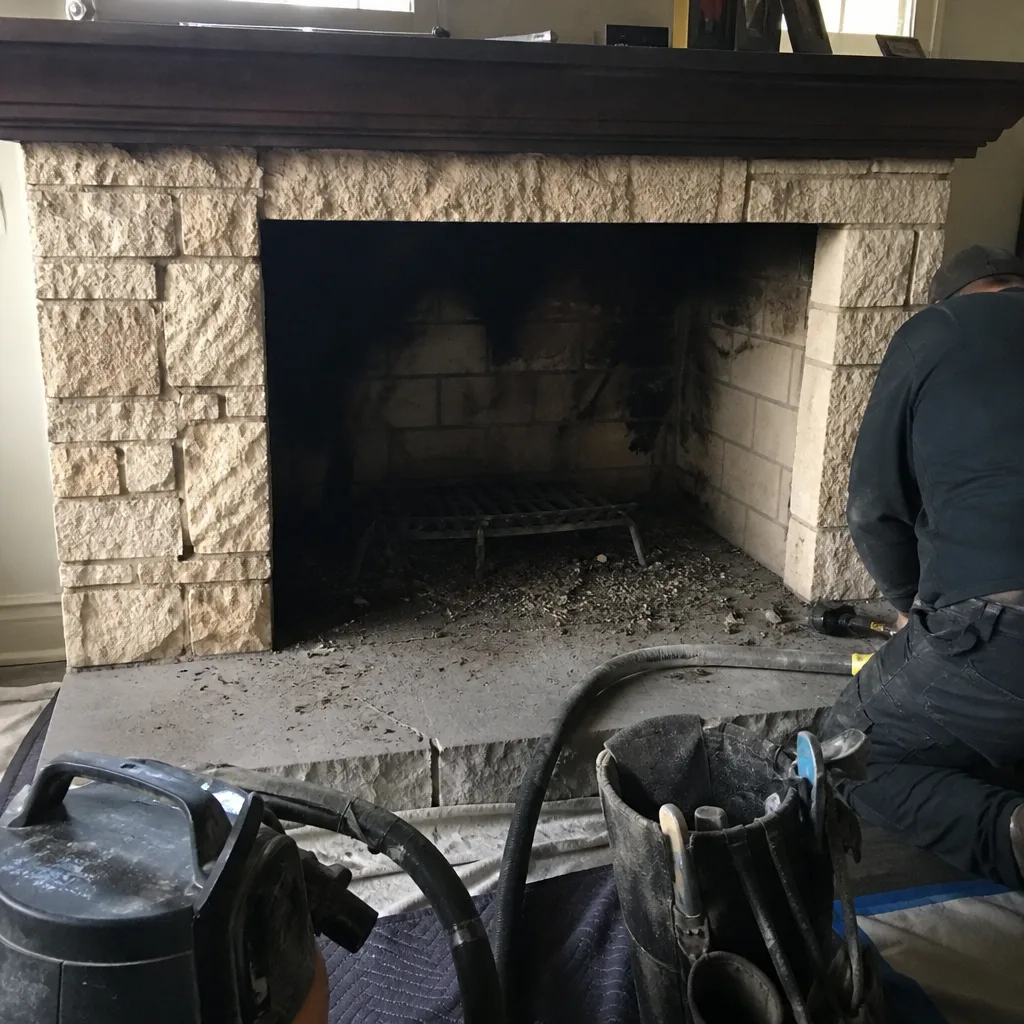 Before
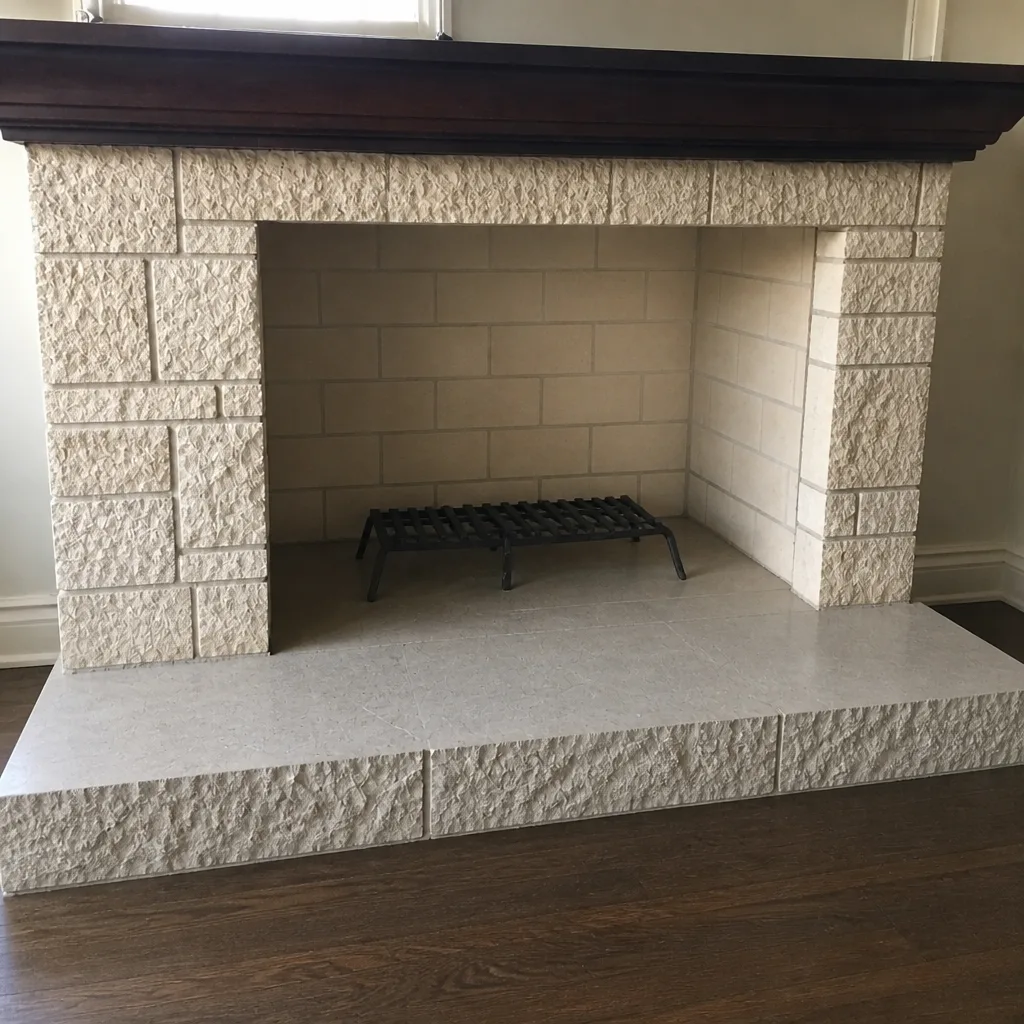 After
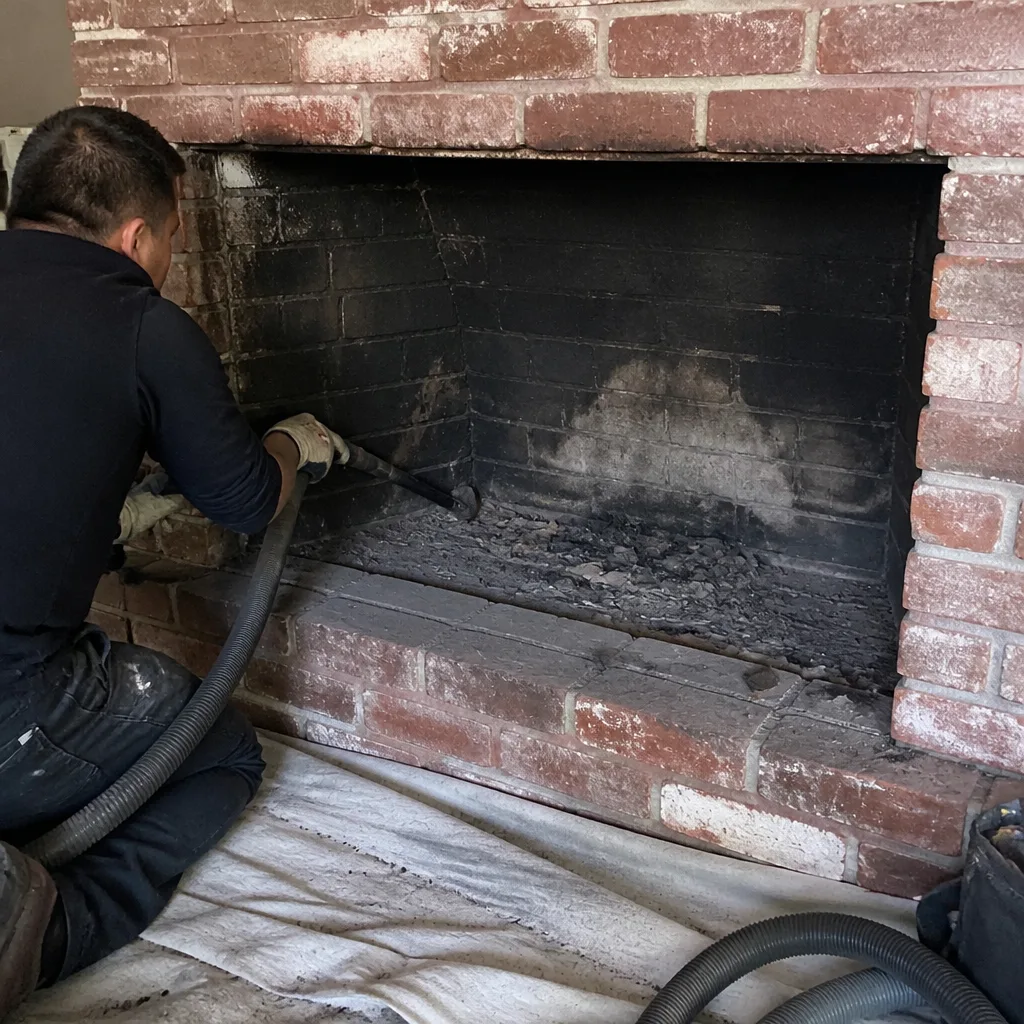 Before
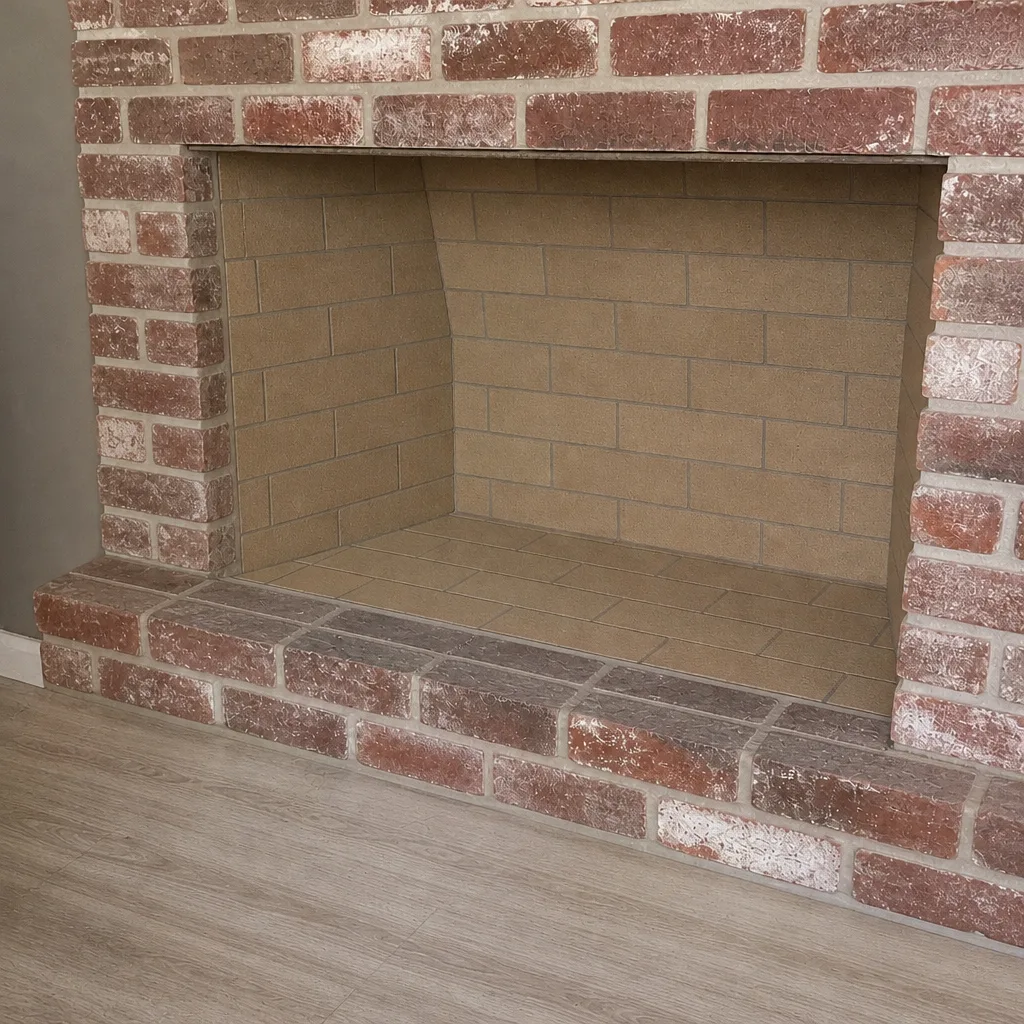 After
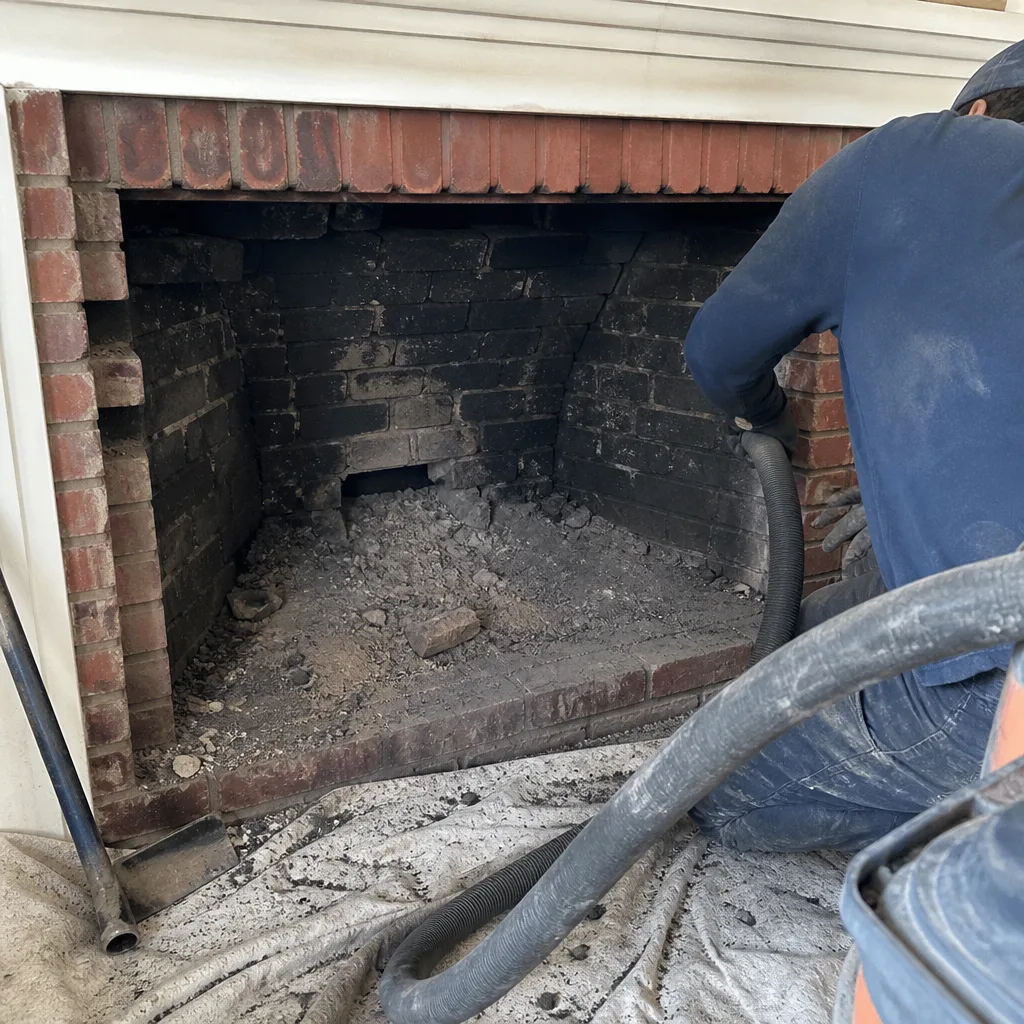 Before
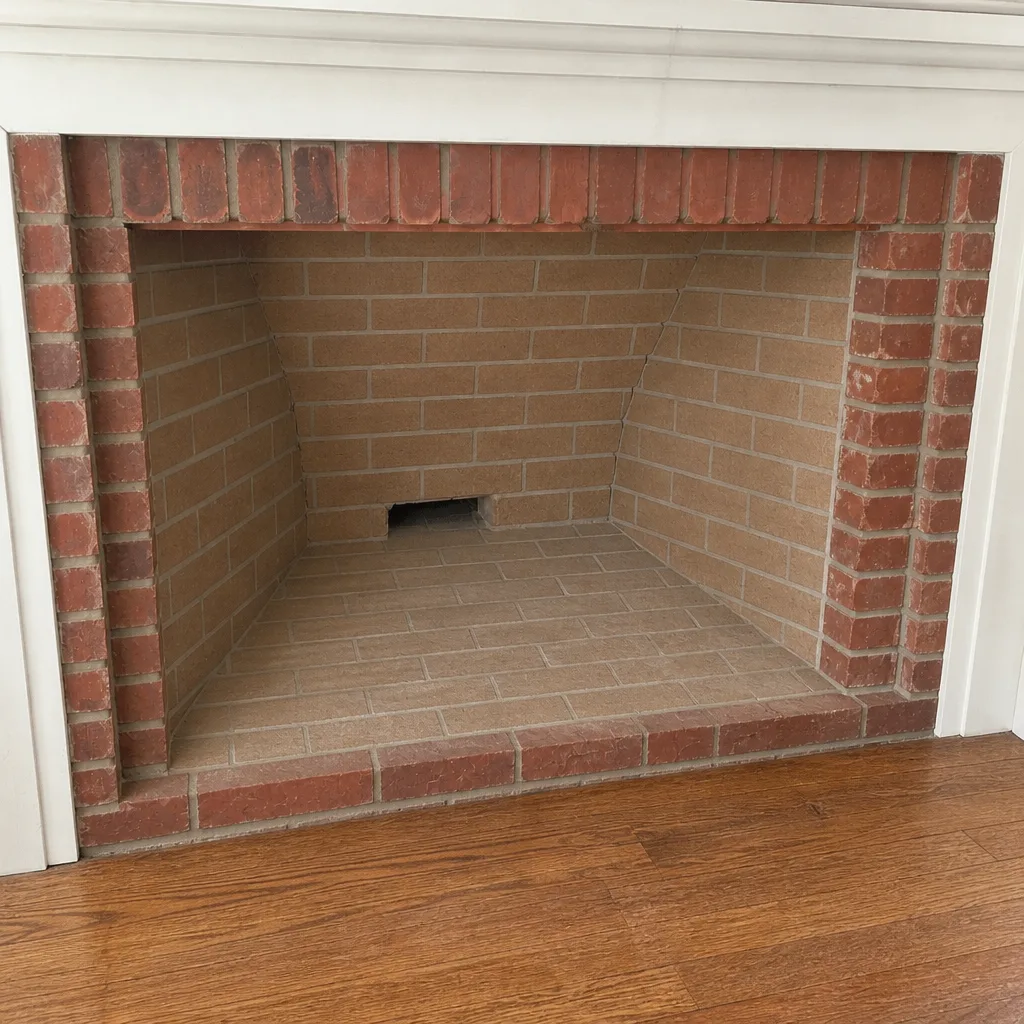 After
How Much Does Chimney Liner & Rebuild Cost in Fountain Valley?
A chimney liner replacement in Fountain Valley typically runs about $2,200 to $5,500, and a partial chimney rebuild usually lands between $3,000 and $12,000 depending on how far the damage runs. A full liner plus rebuild of the upper stack is commonly quoted in the $6,000 to $15,000 range. The written estimate is what sets your final price, and we give that estimate free.
Those numbers cover real work with professional-grade materials, not a quick patch. If your fireplace has gone unused for a few seasons, or you just bought an older Fountain Valley home and don’t know what’s inside the flue, an inspection comes first. Call (855) 337-1702. We answer 24/7. Fast dispatch from 7am to 7pm, Sunday through Friday.
Chimney Liner & Rebuild Cost Breakdown (2026)
Here’s how the line items shake out for a typical Fountain Valley home. These are estimated ranges for the local market, and every job gets its own written number once we’ve seen the flue.
| Line item | Typical cost range |
|---|---|
| Level 1 & Level 2 inspection (diagnostic first step) | $150 – $450 |
| Standard sweep before relining | $180 – $350 |
| DuraFlex flexible stainless liner, installed (per foot) | $35 – $65 per ft |
| Full liner replacement, typical one-story flue | $2,200 – $5,500 |
| HeatShield flue resurfacing (proprietary restoration) | $1,800 – $5,000 |
| Liner for an appliance upgrade (wood insert, new stove) | $3,000 – $6,500 |
| Crown rebuild or replacement | $600 – $2,000 |
| Chimney cap installation (Gelco, Famco, Olympia) | $250 – $700 |
| Partial rebuild (upper stack, above the roofline) | $3,000 – $12,000 |
| Full rebuild from the firebox up | $9,000 – $25,000+ |
| Firebox and damper repair | $700 – $3,000 |
What pushes a quote toward the top of these ranges? Height and access are the big ones. A flue on a steep-pitch roof takes more staging and more time than a low one. So do tight attic chases, offsets in the flue, and a liner that has to be custom-fitted around a bend. Masonry condition matters just as much: if the brick around the flue has softened or the mortar joints have washed out, the rebuild grows before the liner goes in. The good news is that some of it goes the other way. A flue that’s still sound inside can skip resurfacing and take a direct-install flexible liner, which keeps the total down.
What Affects Chimney Liner & Rebuild Pricing in Fountain Valley
Fountain Valley sits on relatively flat ground with mild winters, so we don’t see the deep freeze damage that drives big rebuilds in colder parts of the country. What we do see is moisture and age. Knowing which one you’re dealing with is most of the pricing story. Here’s the breakdown.
- Flue condition and liner type. A flue that needs resurfacing is a bigger job than one that just needs a new flexible liner. That choice alone moves the price by a couple thousand dollars in either direction. We look inside with a camera before we recommend either one.
- Chimney height and roof access. Tall chimneys and steeper roof pitches add staging, safety gear and labor hours. A single-story ranch home in a neighborhood like Talbert or near Mile Square Park is usually on the lower end. A two-story stack with a complicated roofline sits higher.
- Masonry and mortar condition. Softened brick, spalling faces and washed-out mortar joints all have to be corrected before anything else. If water has been getting in for years, the rebuild extends further down the stack.
- Crown and cap. A failing crown is the most common water entry point on a Fountain Valley chimney. Rebuilding a crown, or capping the flue with a Gelco or Famco unit, is a modest line item that protects everything beneath it. Skipping it is how a liner job turns into a rebuild.
- Appliance changes. If you’re adding a wood insert or replacing a stove, the liner has to be sized and rated for the new appliance. That’s a code requirement, not an upsell, and it changes both the materials and the labor.
- Interior access. Whether the flue can be worked from the roof or needs interior access through the firebox shifts the labor. So does anything like a fireplace surround or a tight chase that has to be protected and worked around.
If you’re trying to figure out where your chimney lands on this list, that’s exactly what a Fountain Valley Chimney Sweep inspection is for. We’ll tell you exactly what we find and exactly what it means.
Liner vs. Rebuild: Which Do You Actually Need?
Most homeowners assume the worst when they hear a repair number, and most of the time they don’t need a full rebuild. A liner replacement handles a flue that’s cracked, unlined or not rated for the appliance. A rebuild is for masonry that’s structurally failing: a leaning stack, crumbled brick at the top, a crown that’s coming apart, or mortar that’s gone soft all the way through. Sometimes the answer is both, because you can’t safely line a flue inside a chimney that’s falling apart.
The distinction matters for cost. A straight liner job keeps you in the low four figures. A rebuild of the upper stack pushes into five figures, and a full rebuild from the firebox up goes beyond that. We don’t recommend a rebuild to sell a rebuild. We recommend it when the masonry won’t hold a liner safely, and we explain the why in plain terms so you can decide. To go deeper on the technical side, see our chimney liner & rebuild page.
What a Liner Replacement Involves
We sweep the flue first so the liner goes into a clean space. Then we measure the flue, size the liner to the appliance, and install it with the correct top plate and cap. DuraFlex flexible liner systems are what we install, because they’re rated for the appliance and the venting they’re actually doing. When the flue interior is scored or pitted but still structurally sound, HeatShield resurfacing rebuilds the interior surface instead of inserting a full liner. That’s a masonry-level service most sweep-only companies can’t offer, and it can save you money when the flue is a good candidate.
What a Rebuild Involves
A rebuild means removing the failed masonry and replacing it with new brick, mortar and a properly formed crown. The crown is the concrete or masonry cap at the very top, sloped so water runs off instead of sitting on the chimney. Getting that slope and the overhang right is the whole point. A crown that drains poorly is what caused the damage in the first place, so rebuilding it well is the difference between a repair that lasts and one that doesn’t. On top of that we set a chimney cap, which keeps rain and wildlife out of the flue.
How to Save on Chimney Liner & Rebuild
There’s no magic discount, but there are real ways to keep the number down.
- Get an inspection before the small problem becomes a big one. A crown that’s caught early costs a few hundred dollars to rebuild. The same crown left leaking for years takes the liner and part of the stack with it. The cheapest chimney repair is the one you do sooner.
- Do a standard sweep first. A clean flue is easier to inspect and easier to work in, and a sweep is a small line item. It also confirms whether you need a liner at all.
- Ask whether resurfacing fits your flue. HeatShield resurfacing can be less than a full liner replacement when the flue interior is the right candidate. Not every flue qualifies, but it’s worth the question.
- Bundle the crown and cap with the liner job. Adding a crown rebuild and a cap to a liner replacement means one staging setup and one visit. Doing those pieces separately later costs more in labor.
- Compare repair against replacement honestly. Sometimes a rebuild is unavoidable, and padding a failing stack with a liner just buys a few years. We’ll tell you when repair makes sense and when it doesn’t.
Estimates are free, so there’s no cost to finding out where you stand. Call (855) 337-1702 to book an inspection and get a written price.
Why Professional-Grade Materials Change the Price
A liner is not a commodity. The flexible liner sold at a hardware store and the DuraFlex system we install are built to different standards, and the rated appliance matters. A liner that’s undersized or not rated for your stove is a safety problem, not a bargain. We work with DuraFlex, HeatShield, Gelco, Olympia Chimney, Famco and Copperfield because those are the materials specified by certified chimney engineers. The price reflects the material and the installation, not a markup on a box-store substitute.
Our technicians have up to 11 years of experience, and a liner job is one where that experience shows. Sizing, top plate fit, crown slope, cap spacing: get any of it wrong and you’ll be back inside the chimney within a few winters. We handle the full chimney, from the firebox to the crown, so nothing gets handed off to a subcontractor halfway through.
One safety note, because it matters more than the price. Chimney liners, flue interiors and masonry stacks are not a DIY job. A cracked or missing liner lets heat and carbon monoxide into the framing of the house, and a failing stack can come down on the roof. This work belongs with a trained professional. We’re insured and work to the standards the trade requires. If your liner or stack is in question, don’t run a fire until it’s been looked at.
FAQs – Chimney Liner & Rebuild Cost
How much does a chimney liner cost in Fountain Valley?
Most chimney liner replacements in Fountain Valley run $2,200 to $5,500 for a typical one-story flue. A larger flue, a two-story stack or a liner sized for a wood insert can reach $6,500. The written estimate sets the final price. Call (855) 337-1702 for an exact quote, and estimates are free.
Is it cheaper to repair or replace a chimney liner?
Repair is usually cheaper when the flue interior is still sound. HeatShield resurfacing generally costs $1,800 to $5,000 versus $2,200 to $5,500 for a full liner, so the gap depends on your flue. When the masonry itself is failing, repair can cost more in the long run because the liner won’t last inside a crumbling stack. Call (855) 337-1702 and we’ll tell you which one your chimney actually needs.
How much does a chimney rebuild cost in Fountain Valley?
A partial rebuild of the upper stack typically runs $3,000 to $12,000, and a full rebuild from the firebox up runs $9,000 to $25,000 or more. Height, access and how far the damage extends are the big drivers. Call (855) 337-1702 for a written estimate after an inspection.
Can you do a chimney liner and rebuild the same day?
Sometimes, when the job is a straightforward liner and crown on a single-story stack. A full rebuild usually takes more than a day because the masonry has to be removed and replaced and the new crown has to set properly. We’ll give you a realistic timeline in the estimate. Call (855) 337-1702 to schedule, and we’ll book you into the next opening.
Do I need an inspection before a liner or rebuild quote?
Yes. An inspection runs $150 to $450 and is what lets us quote a real number instead of a guess. It’s also the diagnostic step that tells us whether you need a liner, resurfacing or a rebuild at all. Call (855) 337-1702 to book one, and estimates are free.
Pricing reflects the Fountain Valley market as of 2026. Fountain Valley Chimney Sweep offers free estimates – call (855) 337-1702.
Written by the team at Fountain Valley Chimney Sweep.
What Our Customers Say
"Level two inspection before we bought the house. The report was detailed enough to use as a negotiating point and he explained every photo in it."
- Tim Barrett"Liner was cracked in two places. He walked me through the repair options honestly, including the one that was cheaper for him and better for me."
- Diego Guzman"Fireplace had never drawn properly since we moved in. He found the damper was only opening halfway due to a bent linkage and fixed it in ten minutes."
- Priya Rao