
Last updated November 25, 2026
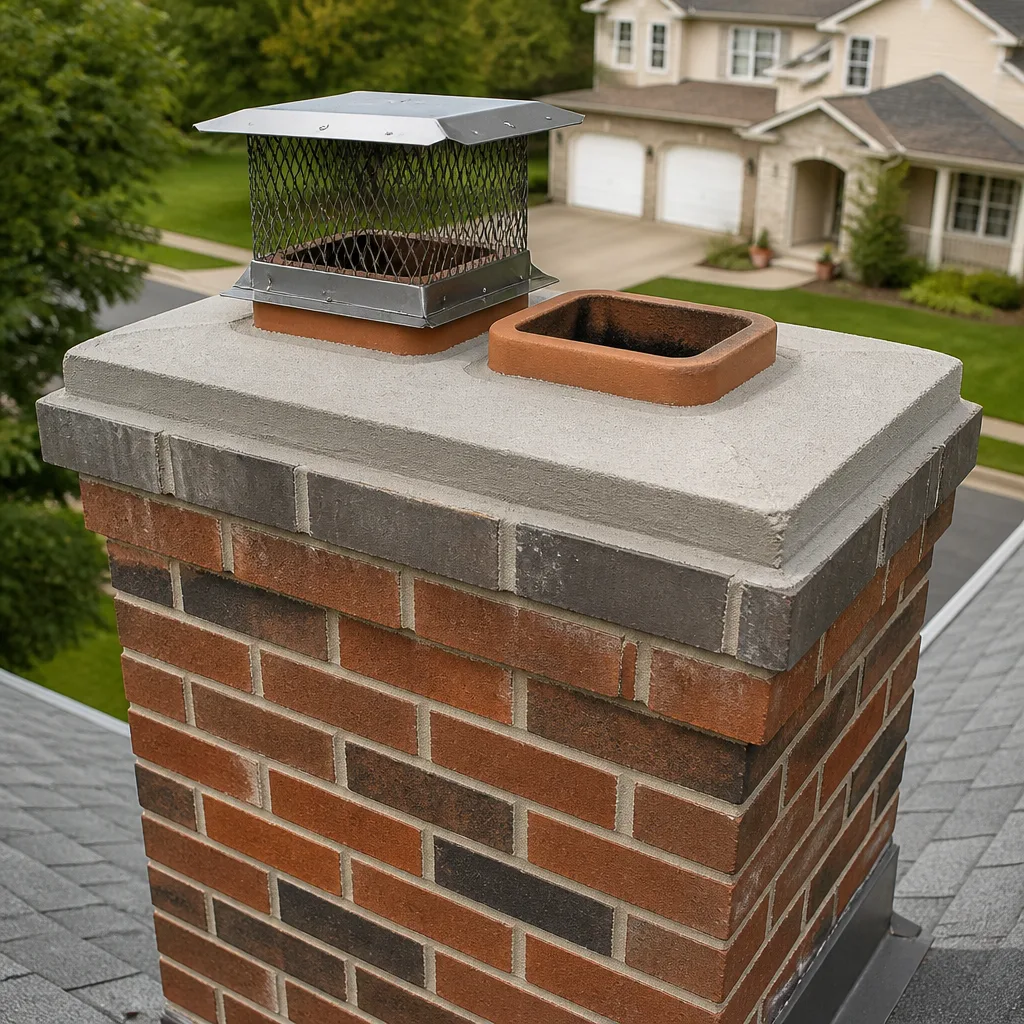 Sweep & inspection
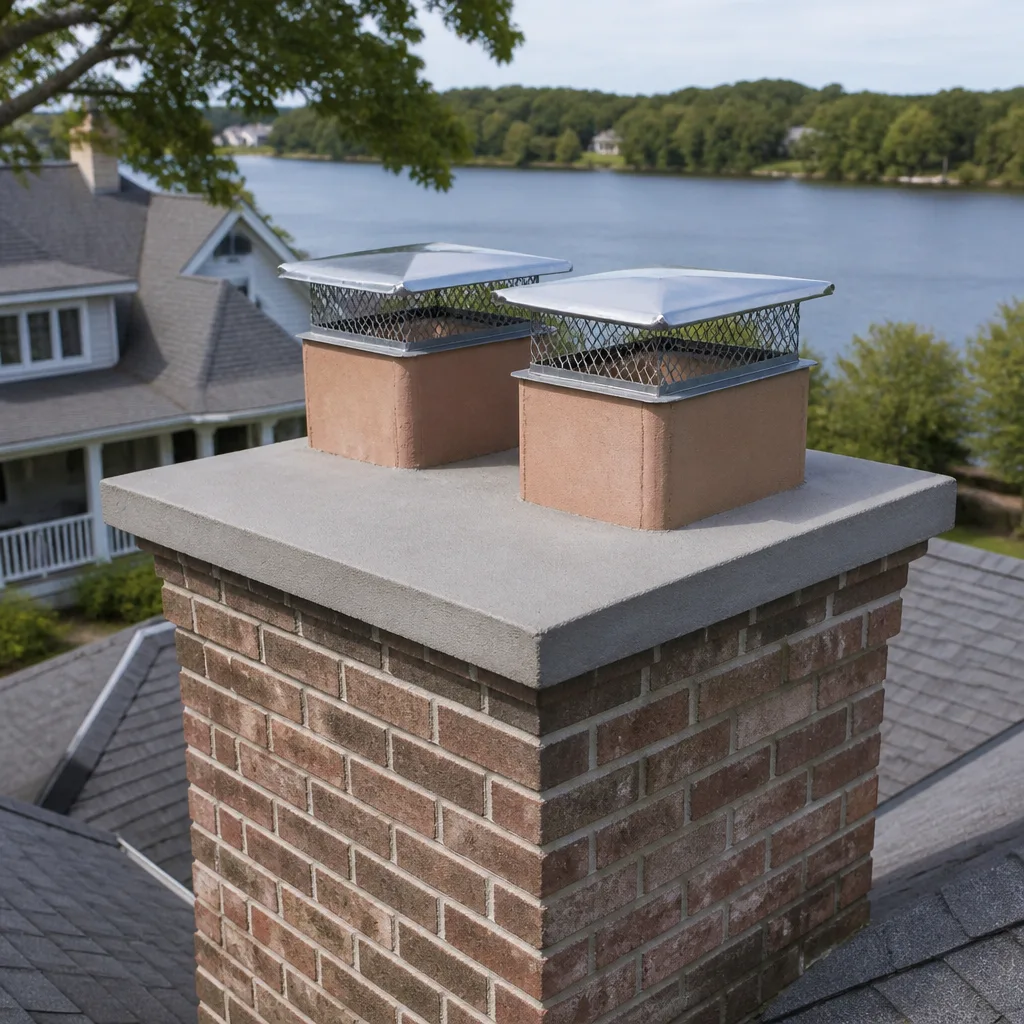 Caps & crowns
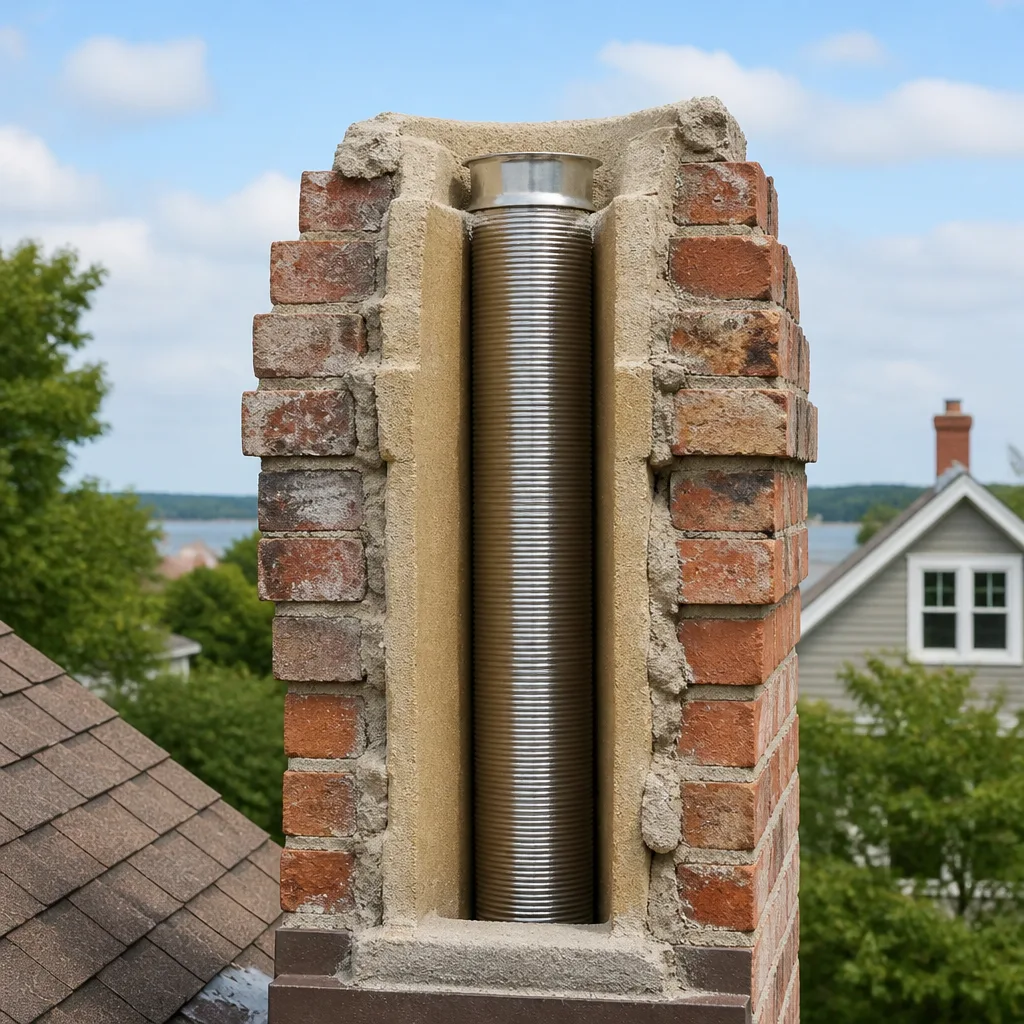 Flue relining
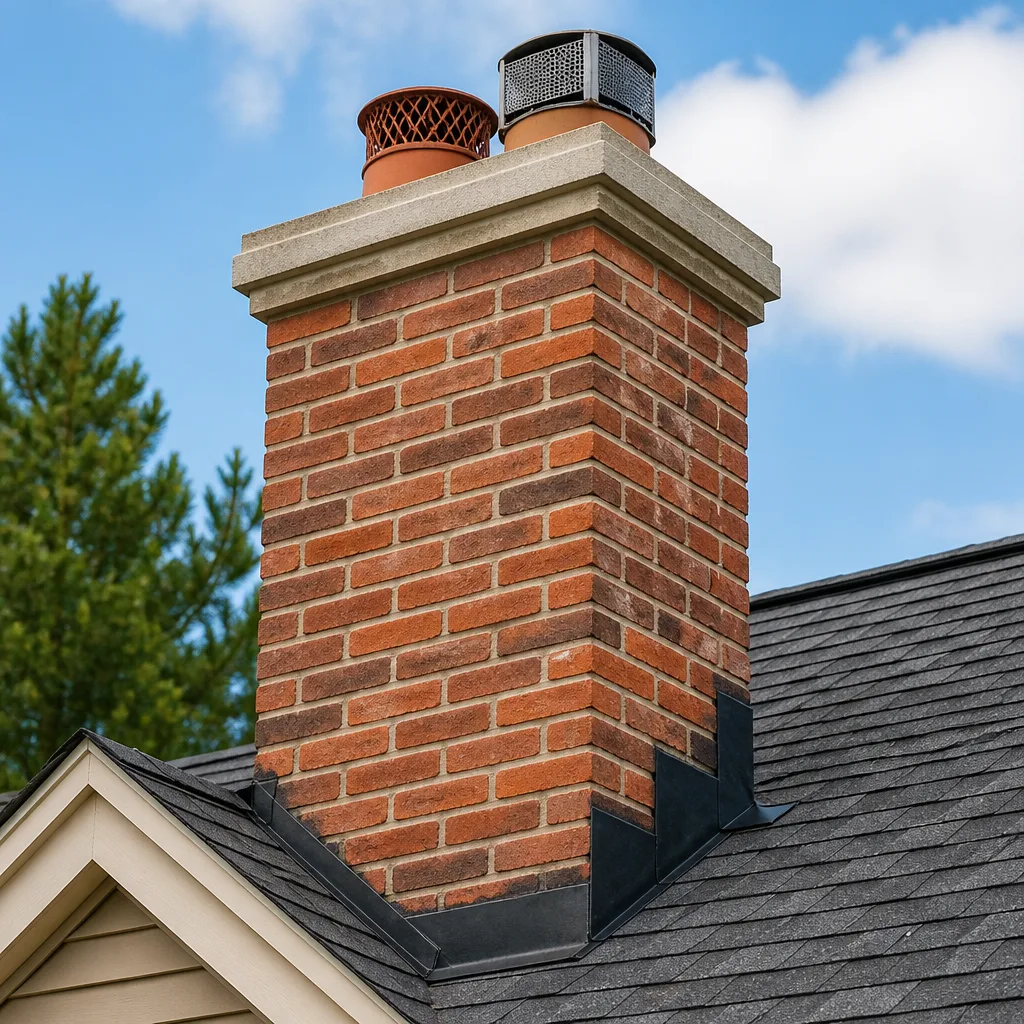 Masonry repair
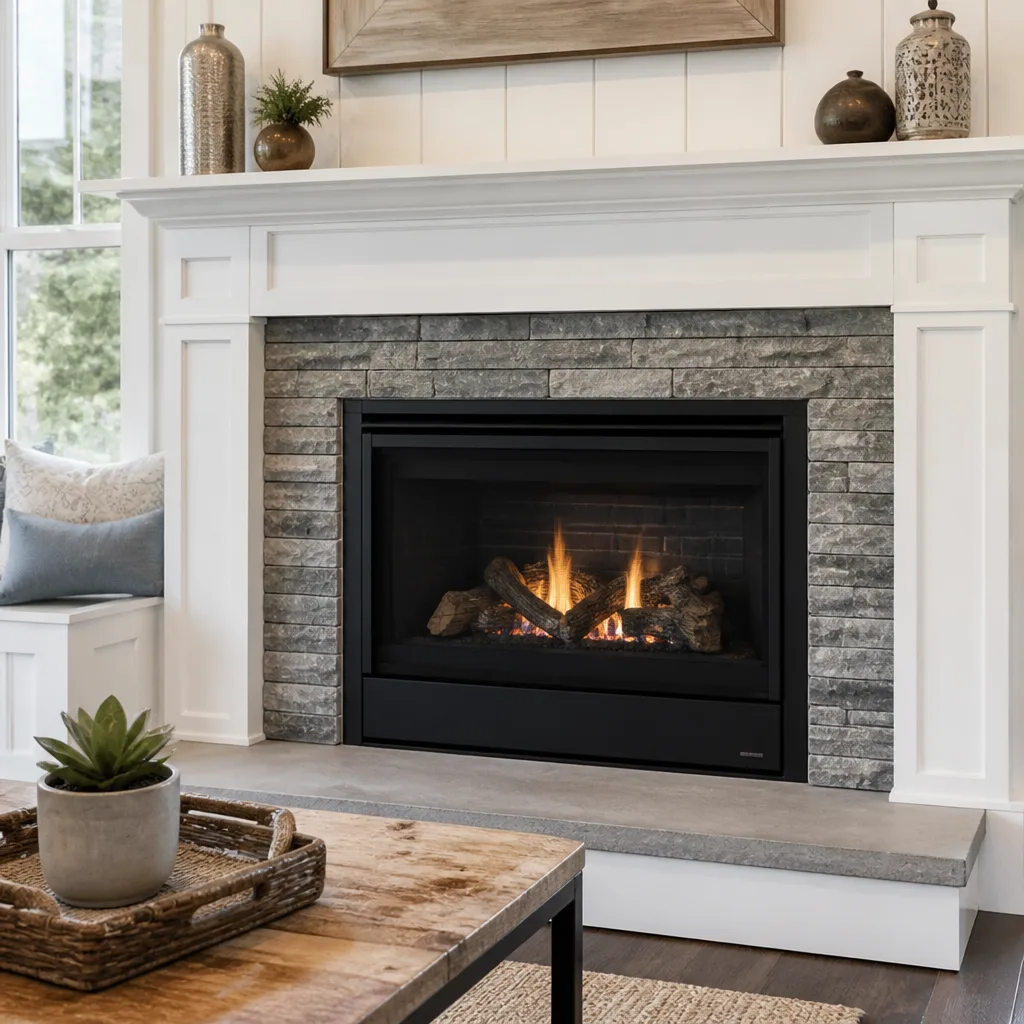 Gas fireplace service
Level 1 sweep and inspection to the NFPA 211 annual standard - flue, crown, cap, and flashing checked and photographed
Chimney sweep logs do not sweep chimneys. They loosen some creosote - which then falls where a brush and vacuum still have to collect it.
Chimney Cleaning Warning Signs: A Fountain Valley Homeowner’s Reference Guide
Here’s the counterintuitive truth about chimney problems: nearly every serious hazard starts as something you can see or smell yourself, weeks or months before it becomes dangerous. The trouble is that most of us dismiss those early signals as quirks of an older home. A faint smell, a little smoke spill, a bit of white powder on the brick – easy to ignore when the fireplace still lights. This reference guide decodes those signals for Fountain Valley homeowners, sorting them into three clear categories: signs that mean schedule a sweep soon, signs that mean get a repair estimate, and signs that mean stop using this fireplace today. By the end, you’ll know exactly which category your fireplace falls into.
Quick Answer
Chimney cleaning warning signs in Fountain Valley include a strong creosote smell with no fire burning, white staining or crumbling on firebox brick, smoke rolling into the room instead of up the flue, rust streaks inside the firebox, and black staining above the fireplace opening. Smells and staining usually mean a sweep is due soon; crumbling brick, rust and draft problems often point to a repair; and a strong creosote smell with no fire, or visible smoke backing into the room, means stop using the fireplace until it’s inspected.
Styles & brands we work with
- Sweep & inspection
- Caps & crowns
- Flue relining
- Masonry repair
- Gas fireplace service
Table of Contents
- The Smell Test: What Chimney Odors Actually Tell You
- Visual Signs Inside the Firebox You Can Check Without Tools
- Draft and Smoke Behavior as a Diagnostic Signal
- Why Black Staining Above the Fireplace Is Never Cosmetic
- The Three Categories: Sweep, Repair, or Stop Using It
- How Often Should a Chimney Be Swept in Fountain Valley?
- What Chimney Work Costs Here
- Common Mistakes to Avoid
The Smell Test: What Chimney Odors Actually Tell You
A fireplace that smells like a campfire when it isn’t lit is not simply a charming old-house detail. Different chimney odors point to genuinely different problems, and the kind of smell is the fastest diagnostic clue you have. A strong creosote odor in the living room on a warm day, no fire burning, just ambient heat, is meaningful: it’s a sign of hardened creosote off-gassing, and that deposit is a fire hazard a standard brush sweep won’t fully remove.
Here’s how to decode the main chimney odors:
- Sharp, tarry, campfire smell with no fire: This is creosote, likely glazed into a layer on the flue walls. It’s the most serious of the ordinary smells and usually means a sweep plus a closer inspection.
- Musty, damp, earthy smell: Often points to masonry moisture – water getting into brick or the chimney crown and staying there. In Fountain Valley’s mild, often humid coastal-adjacent climate, slow water intrusion is common, and it damages mortar from the inside out.
- Acrid, ammonia-like or animal smell: Usually animal intrusion – birds, squirrels or raccoons nesting in the flue. The smell itself is the smaller problem; the nest blocks the flue and creates a carbon monoxide risk if you light a fire.
- Smell of smoke that’s very faint but persistent: Often a sign of a partially blocked flue or negative pressure pulling flue gases back into the room.
- Chemical or burning-plastic smell: Not a normal chimney smell at all. Stop using the fireplace and have it inspected.
What connects all of these is that the smell is the chimney telling you something is accumulating or blocked. That calls for a proper look – our chimney sweep and inspection covers the full flue, not just the visible firebox. When you light a fire and the smell gets worse, or the room fills with a hazy smoke odor within minutes, that’s in the “stop using it” category. The senses are your first instrument here; trust them and get them checked.
Visual Signs Inside the Firebox You Can Check Without Tools
You don’t need a ladder or a flashlight to spot the most important warning signs. Open the fireplace doors, look inside, and read the surface. The firebox and the first stretch of flue are the chimney’s most stressed surfaces – they see the most heat and the most moisture – so they show problems first. Here’s what to look for, in plain terms:
- White chalky staining on brick or firebox walls. This white efflorescence means water is moving through the masonry and leaving minerals behind as it evaporates. It’s a moisture signal, not a cosmetic blemish.
- Spalling firebrick. If the surface of the firebrick is flaking, pitting, peeling or crumbling away in layers, the brick is breaking down from heat and moisture cycles. Spalling firebrick loses its ability to hold heat and protect the structure behind it.
- Deteriorating mortar joints. Look at the lines between bricks. If the mortar is receding, sandy, or you can crumble it with a fingertip, the joints are failing. Left alone, failing mortar lets heat reach combustible framing.
- Rust patterns. Orange or brown streaking on the metal firebox, damper or hardware means water is present. A rusted damper can seize open or shut, and rust on any metal component is a moisture warning.
- Cracks or gaps. Any crack in the firebox walls, a separated brick, or a gap where the firebox meets the face wall is significant. Cracks can let fire and heat past the firebox’s protective shell.
- Soot or creosote buildup visible on the smoke chamber. Heavy, shiny or black buildup you can see from the firebox is a sign the flue beyond it is loaded too.
Most of these are visible from a kneeling position in front of the hearth. Efflorescence and spalling firebrick usually call for a repair estimate; a firebox crack or separated brick is a reason to stop using the fireplace in Fountain Valley until it’s inspected. What you can see from the front is only the entry to the system, though – the flue, smoke chamber and crown are the rest of it, and a full inspection sees the whole chimney.
Draft and Smoke Behavior as a Diagnostic Signal
Watch how your fireplace behaves when you light it. How smoke moves in the first two minutes tells you as much about the chimney’s condition as any visual inspection. A healthy chimney pulls smoke steadily up and out; a struggling one gives you specific patterns, and those patterns point to specific causes. Many Fountain Valley homes are modern and tightly constructed, which makes draft a frequent issue even when the chimney itself is clean.
- Smoke rolls out over the top of the firebox and curls into the room in a steady roll: This is classic negative pressure. The house is sealed so tightly, or exhausting air through kitchen or bath fans, that the chimney can’t draw. Improving ventilation and cracking a window nearby often helps, but persistent negative pressure is worth an inspection.
- Smoke leaks out briefly at startup, then draws fine: Usually a cold-flue problem – the flue is full of dense cold air that needs to be pushed out by warm air before smoke will rise. It’s common and often manageable, but frequent cold-start spill is worth checking.
- Smoke spills out steadily throughout the fire, or you smell smoke long after lighting: This suggests an obstruction – a nest, heavy creosote, or a collapsed liner section – or a damper that won’t open properly. Stop using the fireplace.
- Fire burns well but you notice a burnt, hot smell with no smoke visible: Could mean flue gases are escaping into the house somewhere. Treat as a stop-use signal and get inspected.
- Fire burns lazily, smolders, or struggles to stay lit: Often reduced draft from a partially blocked or undersized flue. Poor draft produces more creosote, which makes the blockage worse over time.
One of the most useful questions to ask is whether the smoke pattern is new. A fireplace that has always behaved this way may simply need a draft adjustment. A fireplace that worked fine last winter and now spills smoke has developed a problem – the change itself is the warning sign. Getting an inspection with a camera view of the flue confirms whether you’re dealing with an obstruction, a damper issue, or a pressure problem. Our chimney repair work starts with exactly that look, so we recommend based on what’s actually there.
Why Black Staining Above the Fireplace Is Never Cosmetic
If there’s a black or dark brown stain on the wall or mantel face above your fireplace, and the wall is otherwise intact, you might assume it’s just soot from a previous owner’s fires. It rarely is. Black staining above the fireplace opening means smoke and flue gases have repeatedly escaped the firebox and deposited on the wall – a visual record that the chimney isn’t drawing properly.
Here’s what that staining usually indicates:
- Ongoing smoke spill from a draft problem, obstruction, or failing damper. The stain is the accumulated evidence.
- A gap or crack between the firebox and the face wall, letting smoke seep out behind the facing.
- Heat damage to the wall itself where the firebox has been overheating – which puts framing and any combustible material directly behind the stain at risk.
The reason it isn’t cosmetic is structural: smoke doesn’t reach the face wall without escaping the firebox or the flue, and anywhere smoke can escape, heat and flue gases can follow. So the stain itself is the visible edge of a problem that’s invisible from the room side. Once the source is corrected, the staining can be cleaned and the wall repainted – but cleaning the stain without finding why it formed just lets it come back.
In older Fountain Valley homes, we see this staining in fireplaces that were never updated as the house was remodeled. A fireplace that worked when the house was more drafty can start staining the wall once the house is tightened up. Whatever the cause, treat black staining as a prompt to get a professional inspection rather than a reason to grab a scrub brush.
The Three Categories: Sweep, Repair, or Stop Using It
This is the part most homeowners find genuinely useful. Once you’ve noticed a warning sign, the next question is what to do about it, and not every sign carries the same urgency. Here’s the practical sorting we use, and you can apply it yourself before you ever pick up the phone:
Category 1: Signs that mean schedule a sweep soon
- Mild creosote smell, no active smoke spill
- Visible soot or thin creosote buildup in the firebox and lower flue
- Slightly smoky fire that still draws, no persistent spill
- It’s simply been a while since the last sweep, and your fires produce visible smoke
These are ordinary maintenance signals. Book a sweep within the next few weeks and you’re on top of it.
Category 2: Signs that mean get a repair estimate
- White efflorescence or spalling firebrick
- Deteriorating mortar joints in the firebox or chimney
- Rust on metal components
- Cracks in the firebox walls that aren’t through-and-through
- Black staining above the fireplace opening
- A cap or crown that’s damaged, missing, or letting water in
These don’t necessarily mean stop using the fireplace, but they do mean the chimney’s structure needs professional attention. We’ll tell you exactly what we find and exactly what it means – and plainly, if a repair can safely wait a season.
Category 3: Signs that mean stop using the fireplace today
- Strong creosote smell with no fire burning
- Smoke spilling steadily into the room during a fire
- Visible cracks or gaps all the way through the firebox walls
- Animal nests blocking the flue
- A rusted-through or missing damper
- Any chemical or burning-plastic smell you can’t explain
These are the lockout signals. Don’t light a fire until the chimney has been inspected and cleared. This is a safety call, not an upsell.
What makes this sorting work is that it doesn’t require you to diagnose the cause – just to notice the sign and place it. When you’re unsure, the safe default is Category 3: skip the fire, get inspected. Our Fountain Valley Chimney Sweep team can sort it for you in one visit.
Warning Signs at a Glance
Here’s the reference table version to keep handy:
| Warning Sign | What It Usually Means | Action |
|---|---|---|
| Creosote smell, no fire | Creosote off-gassing, possibly glazed | Stop using; schedule inspection |
| White efflorescence | Masonry moisture | Repair estimate |
| Spalling firebrick | Brick breaking down from heat/moisture | Repair estimate |
| Crumbling mortar | Failing joints, heat risk to framing | Repair estimate |
| Rust in firebox | Water intrusion | Repair estimate |
| Smoke rolling into room | Obstruction, negative pressure, or damper issue | Stop using; inspect |
| Black stain above opening | Repeated smoke escape | Repair estimate; find source |
| Animal smell/nest | Flue blockage, CO risk | Stop using; inspect |
| Thin soot buildup | Normal accumulation | Schedule a sweep |
How Often Should a Chimney Be Swept in Fountain Valley?
The general rule is to have your chimney swept and inspected once a year, and to sweep sooner whenever creosote reaches a thickness of about 1/8 inch or you notice any warning sign. For most Fountain Valley homeowners who burn a few cords a season, that means an annual appointment, ideally scheduled before the burning season starts. Homes with heavy use, or wood that burns poorly and smokes a lot, can need a sweep more often.
Why the yearly timeline? A sweep removes the accumulated creosote and soot before it can become a fire hazard. An inspection alongside it catches the structural issues – cracked firebrick, failing mortar, a damaged crown, a failing cap – while they’re still small repairs. The two jobs work best in tandem: the sweep cleans, the inspection sees what the cleaning reveals. That’s why we offer chimney inspections as a standalone service, the diagnostic foundation before any repair recommendation.
Fountain Valley’s climate is mild, meaning many of us don’t run a fire every cold night, but the fires we do run tend to be shorter and cooler, which can produce more creosote per fire than hot, steady burns. Mild weather also means homeowner seasonal habits vary more from house to house, so there’s no single local schedule – the honest answer is annual, and adjust from there based on what the inspection finds.
A few practical notes for scheduling:
- Book before the first cold snap when possible, so you’re not waiting when everyone else thinks of it.
- If you’re using the fireplace several times a week, watch for buildup and book early.
- If you’ve moved into a home here and don’t know when the chimney was last cleaned, that alone is a reason to book.
Call (855) 337-1702 for a free estimate. A sweep cleans the system; it doesn’t fix structural problems – so if the inspection turns up anything, you’re already talking to the people who handle it end-to-end. We handle the full chimney, from the firebox to the crown.
What Chimney Work Costs Here
Chimney work is priced per job and set by a written estimate after we’ve seen the chimney, because the honest answer is that a clean sweep and a liner repair are entirely different jobs. What we can tell you is how the pricing is structured: the estimate is free, the price is set per job, and nothing is recommended without camera evidence you can see for yourself. We don’t quote from the driveway or diagnose from the doorstep.
Here’s how the different jobs break down by what they involve:
| Service | What It Covers | Estimate Type |
|---|---|---|
| Routine sweep | Cleaning the firebox, smoke chamber and flue of soot and creosote | Per job, after a look |
| Chimney inspection | Full visual and camera assessment of the whole system | Per job, available standalone |
| Cap and crown work | Installing or replacing the cap or crown to keep out water and wildlife | Per job, after a look |
| Fireplace repair | Firebox brick, mortar joints, damper and hardware | Per job, after a look |
| Liner restoration or relining | Resurfacing or a full new liner for a safe, code-compliant flue | Per job, after camera inspection |
For liner work we use a HeatShield resurfacing system where the flue interior can be restored in place, or a DuraFlex flexible liner system where the flue needs a full new liner – professional-grade materials that meet the requirements for safe venting, not big-box substitutes. For caps and crowns, we install and replace with Famco and Copperfield components, both made to hold up to the weather. The right material depends entirely on the condition of the flue, which the camera inspection establishes before we quote anything.
One question we get often is whether a recommended repair can wait. Here’s the honest answer: some can, and some can’t. A worn crown that’s still shedding water can often wait for the next seasonal lull. A cracked firebox, a blocked flue or a rusted-through damper should not. We’ll tell you which one you’re looking at, and we’re comfortable telling you a repair can wait when it genuinely can. Call (855) 337-1702 for a free estimate, and our technicians have up to 11 years of experience assessing exactly this kind of chimney.
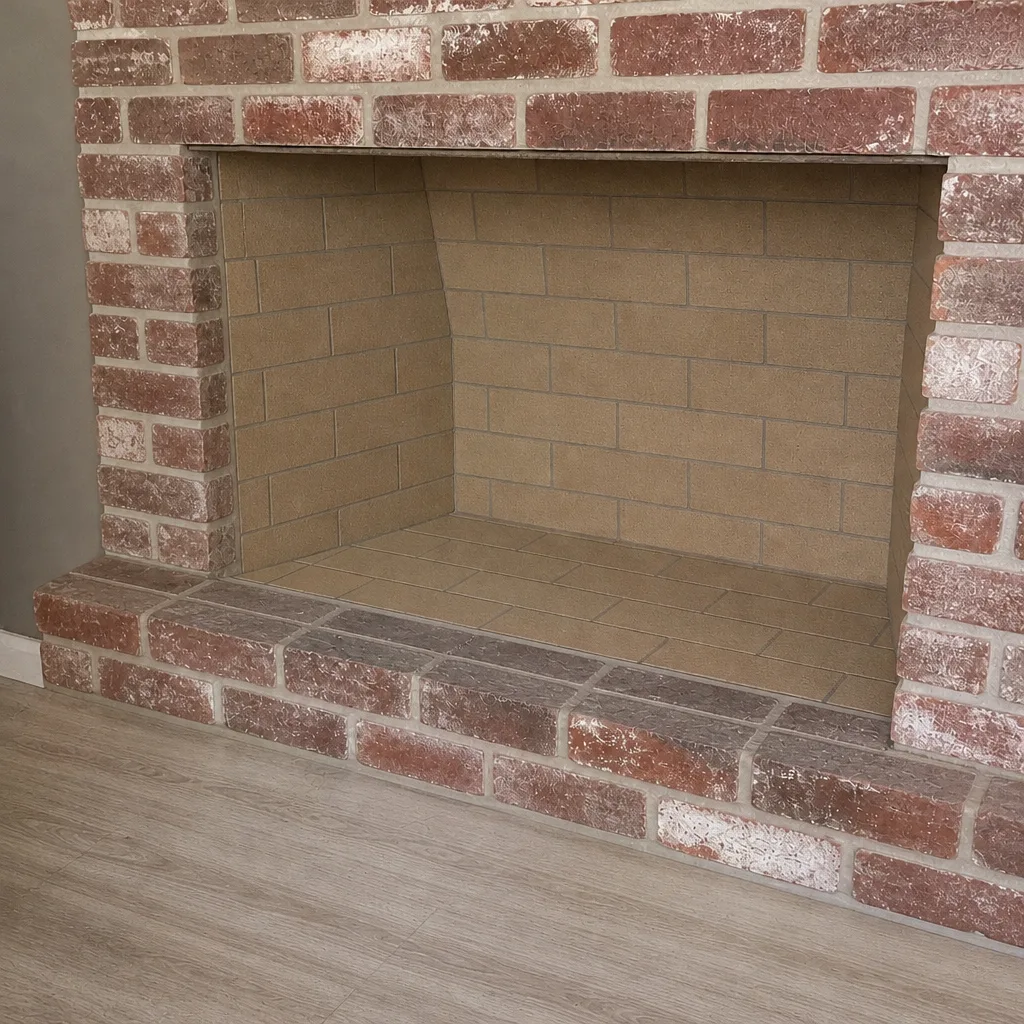
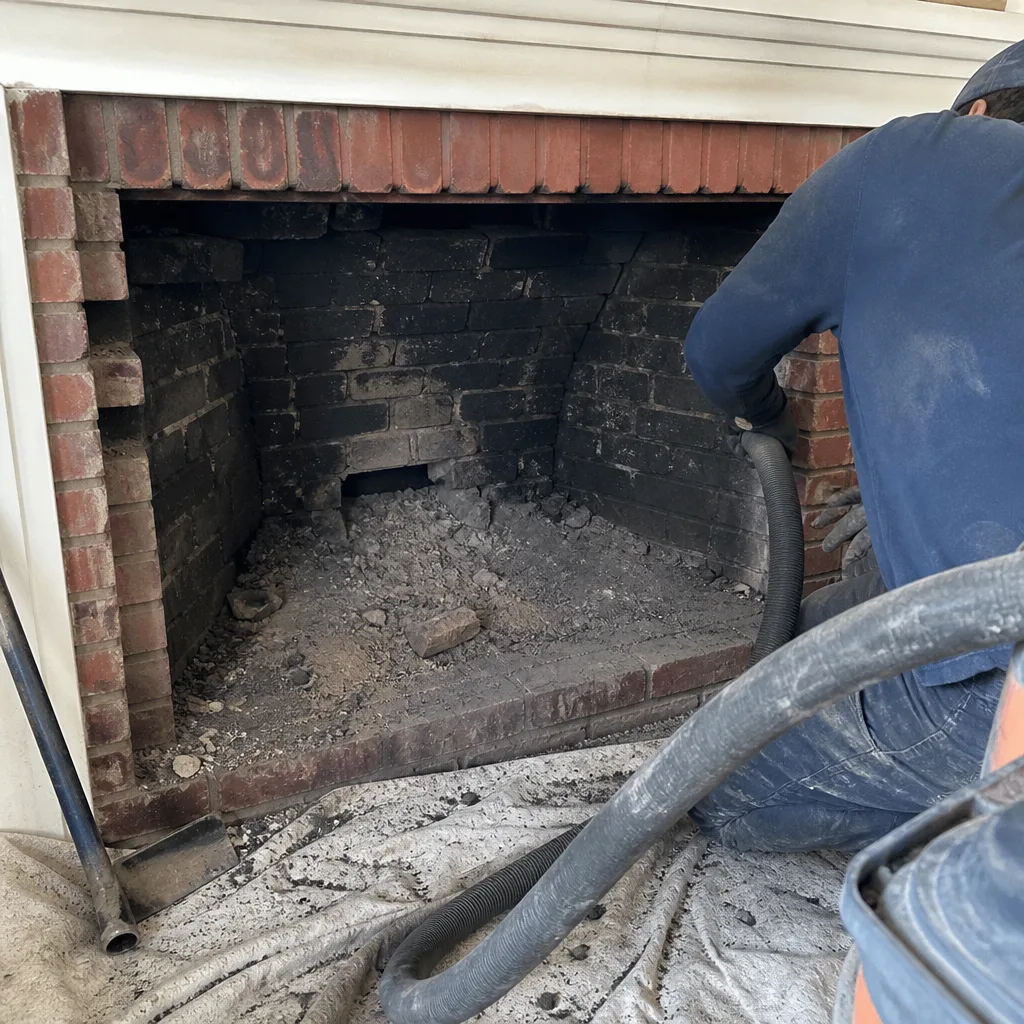
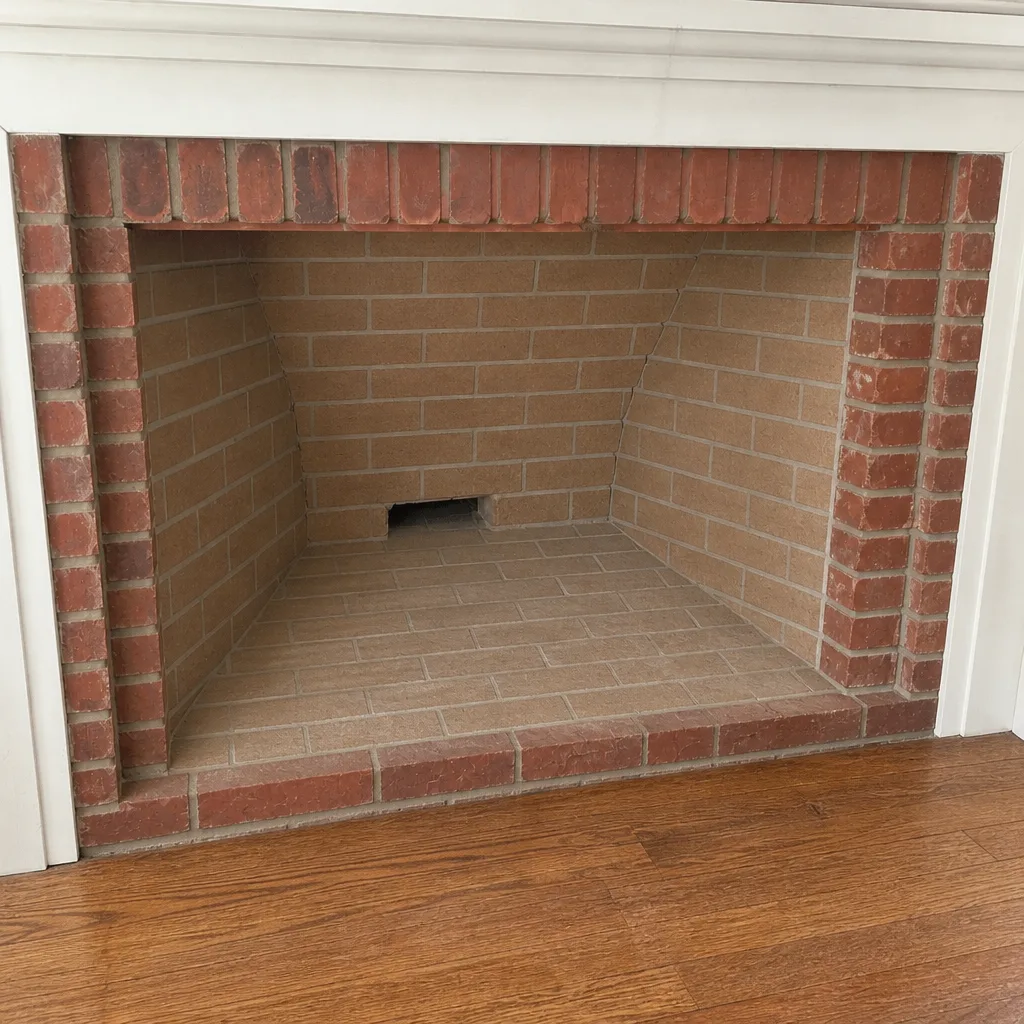
See the difference
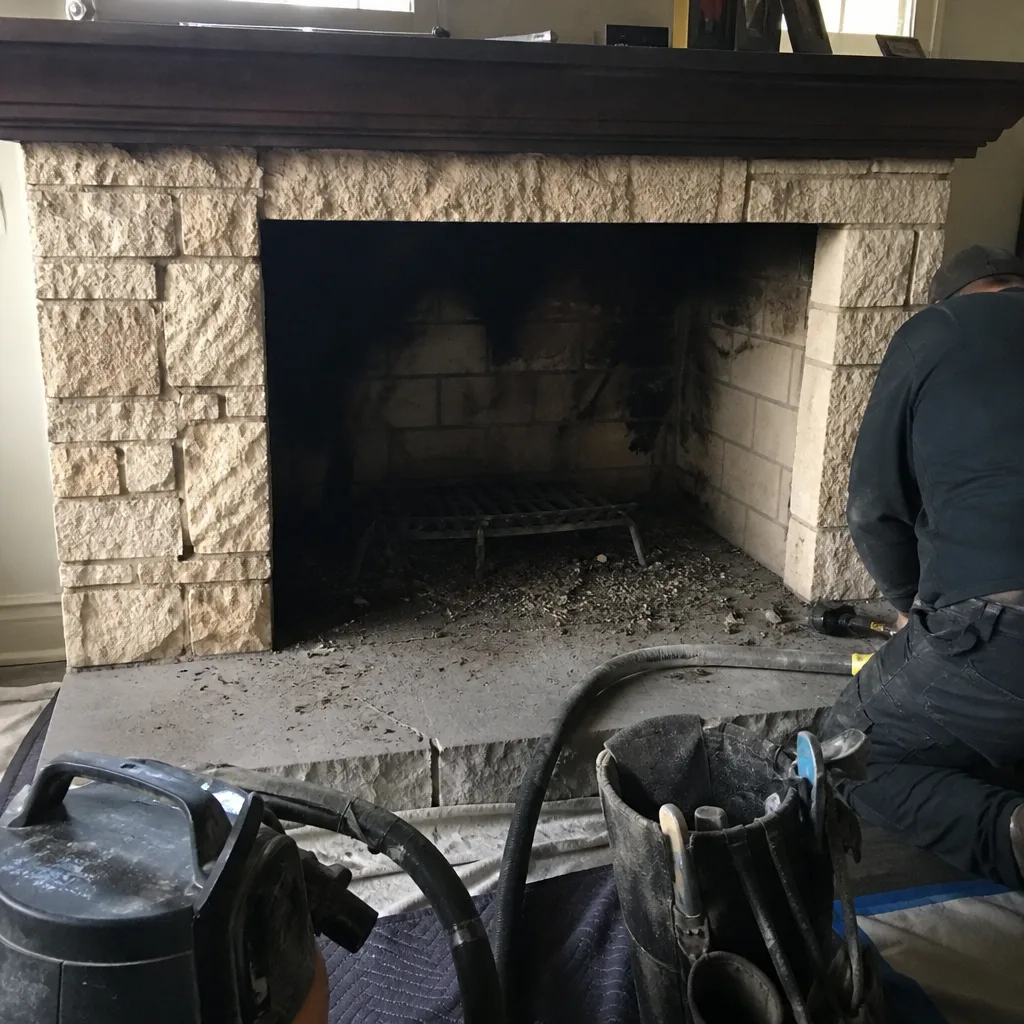 Before
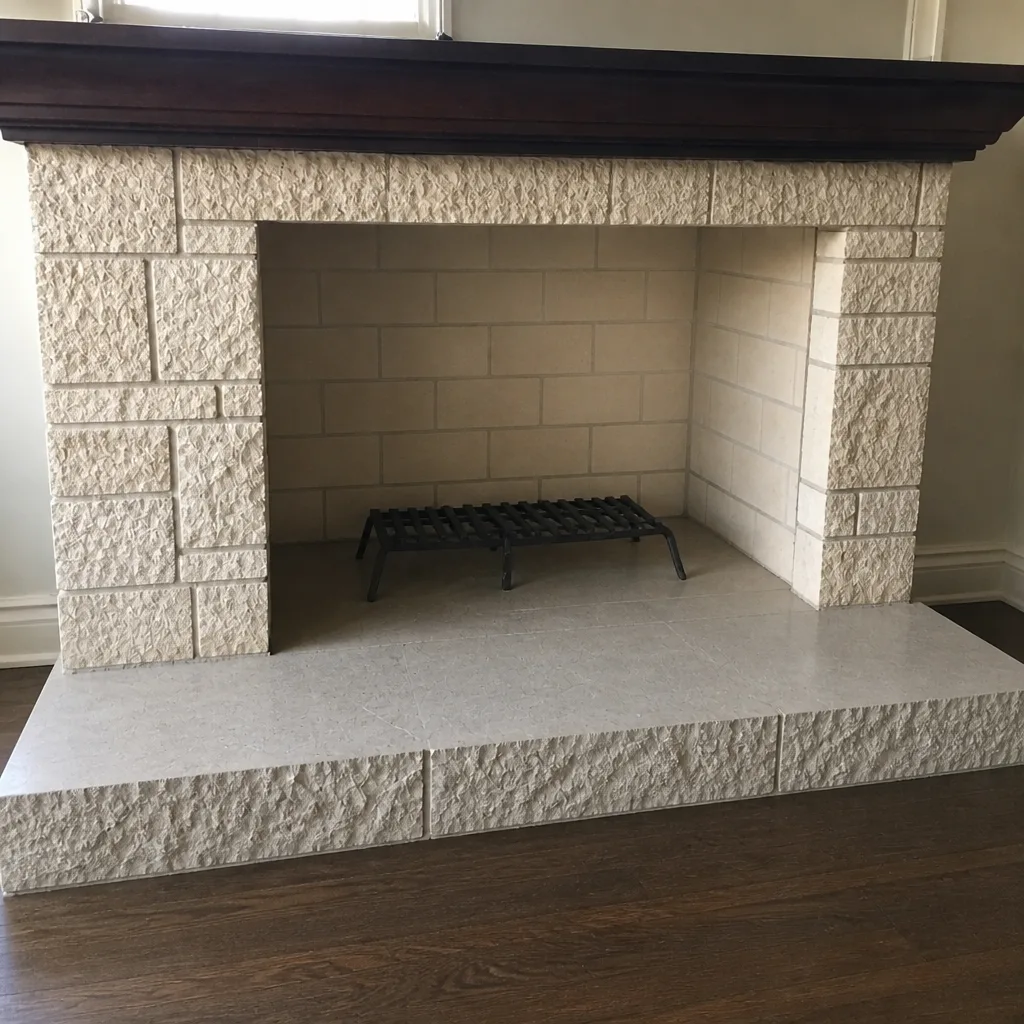 After
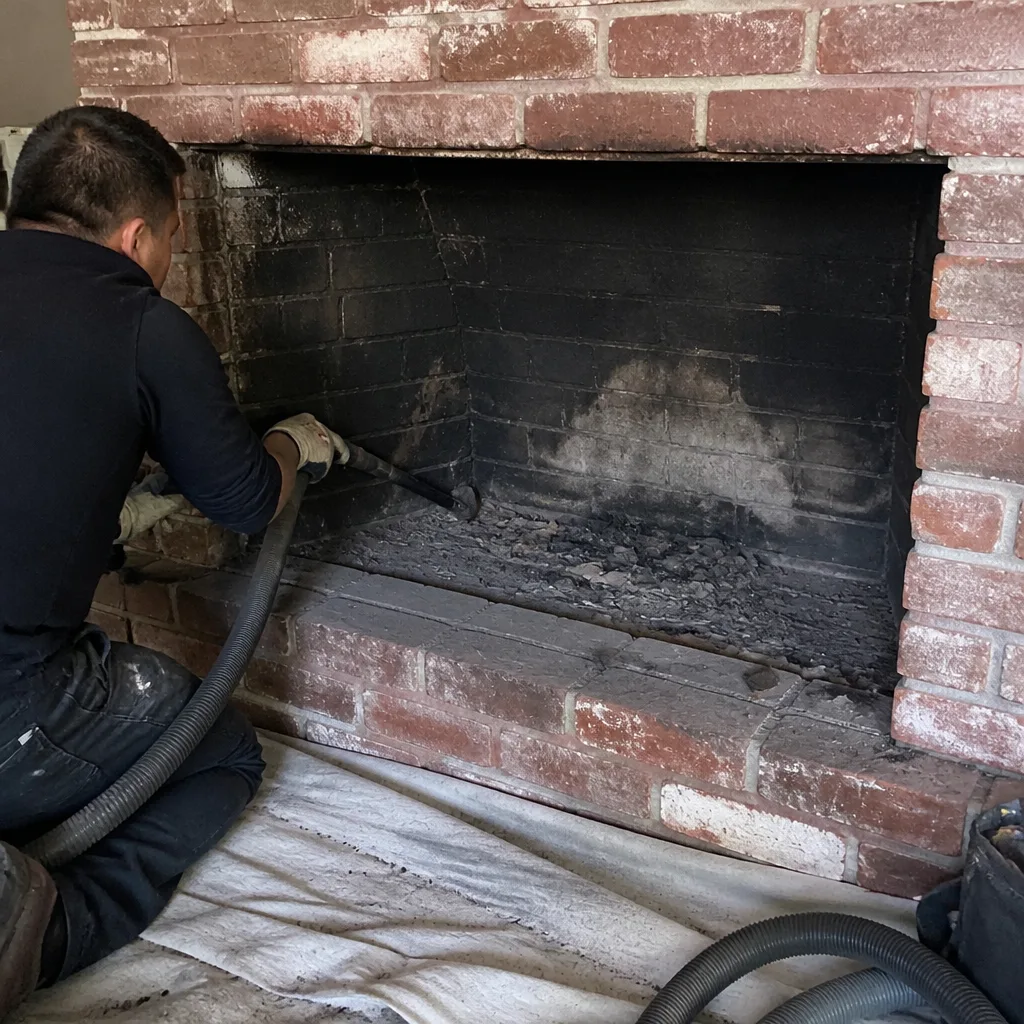 Before
 After
 Before
 After
Common Mistakes to Avoid
- Treating smoke spill as a “quirky old chimney.” Smoke that rolls into the room is the chimney telling you something is blocked or the draft has failed – not a charm of an older home. Get it inspected before the next fire.
- Ignoring white or black staining. Efflorescence means water damage is underway; black staining means smoke has been escaping. Both are worth a professional look, even when the fireplace still lights.
- Burning unseasoned or wet wood to “get by.” Damp wood burns cool and smoky, which builds creosote fastest. In Fountain Valley’s mild climate there’s no need to burn wet wood – dry, seasoned wood is safer and cleaner.
- Thinking a clean firebox means a clean chimney. The firebox is the easy part to see; the flue and smoke chamber are where creosote actually accumulates. A clean-looking fireplace can still have a loaded flue.
- Putting off a cap because “nothing’s gotten in yet.” A missing or damaged cap is the most common way water and wildlife enter a chimney. Getting a cap on is preventive work, not a reaction to a problem.
- Assuming a sweep fixed a structural problem. A sweep removes creosote; it doesn’t repair cracked firebrick or failing mortar. If the inspection flags a repair, treat the cleaning and the repair as two separate jobs.
- Skipping the annual inspection after the sweep. Cleaning without inspecting is only half the job. The inspection is what catches the problems the sweep can’t fix, while they’re still small.
When to Call a Professional
Call a professional immediately if you smell strong creosote with no fire burning, if smoke rolls into the room when you light a fire, if you see cracks all the way through the firebox walls, if an animal has nested in the flue, or if the damper won’t operate. These are stop-use conditions, and no amount of window-opening fixes them. Call a professional soon if you notice white or black staining, spalling firebrick, crumbling mortar joints, rust in the firebox, or a cap or crown that looks worn or damaged. And call for routine work if it’s been a year or more since the last sweep, or you’ve just moved into a home in Fountain Valley and don’t know the chimney’s history. Fountain Valley Chimney Sweep offers free estimates in Fountain Valley – call (855) 337-1702. We answer 24/7. Fast dispatch from 7am to 7pm, Sunday through Friday.
Frequently Asked Questions
Most chimneys should be swept and inspected once a year, and sooner if creosote reaches about 1/8 inch of buildup or you notice any warning sign. Heavy fireplace use or smoky fires call for more frequent sweeps. If you’ve never had the chimney checked, that’s reason enough to book one. Call (855) 337-1702 for an exact quote – estimates are free.
The price is set per job by a written estimate after we’ve seen the chimney, because a routine sweep and a liner repair are entirely different jobs. The estimate itself is free, and nothing is recommended without camera evidence you can see. Call (855) 337-1702 for an exact quote – estimates are free.
Only if the camera inspection shows the existing flue liner is cracked, deteriorated, or worn through – and with a sweep we can show you that footage before you decide anything. A HeatShield resurfacing may restore a mildly deteriorating flue in place; a full DuraFlex liner replacement is the right call when the flue is too far gone. We’ll tell you exactly what we find and exactly what it means, and plainly if it can safely wait. Call (855) 337-1702 for a free estimate.
Creosote keeps accumulating, and at a certain thickness it can ignite – a chimney fire is a serious structural and fire risk to the whole house. A blocked or deteriorating flue can also let carbon monoxide and other flue gases back into the living space. Skipping isn’t a wait-and-see decision; it lets a small problem grow. Call (855) 337-1702 for a free estimate.
A creosote smell with no fire burning usually means glazed creosote has hardened on the flue walls and is off-gassing, especially on warmer days – a standard brush sweep won’t fully remove that layer. This is a fire-hazard signal and a reason to stop using the fireplace until it’s inspected. Call (855) 337-1702 for a free estimate.
Smoke rolling into the room means the chimney isn’t drawing properly – usually an obstruction like a nest or heavy creosote, a damper that won’t open, or negative pressure in a tightly sealed house. Persistent smoke roll is a stop-use sign and should get an inspection before the next fire. Call (855) 337-1702 for a free estimate.
The Bottom Line
Most chimney problems announce themselves long before they’re dangerous – in the smell of the room, in the color of the brick, in the way smoke moves when you light a fire. The key is knowing which signals mean schedule a sweep soon, which mean get a repair estimate, and which mean stop using the fireplace today. In Fountain Valley, a mild climate means the annual sweep and inspection still matters, and a modern tightly sealed home often needs a draft check. Cap and crown work is the water-damage prevention many homeowners never think to ask about. If you’re unsure which category your chimney falls into, get it looked at. Call (855) 337-1702 for a free estimate. We answer 24/7. Fast dispatch from 7am to 7pm, Sunday through Friday.
Written by the team at Fountain Valley Chimney Sweep.