
Last updated November 25, 2026
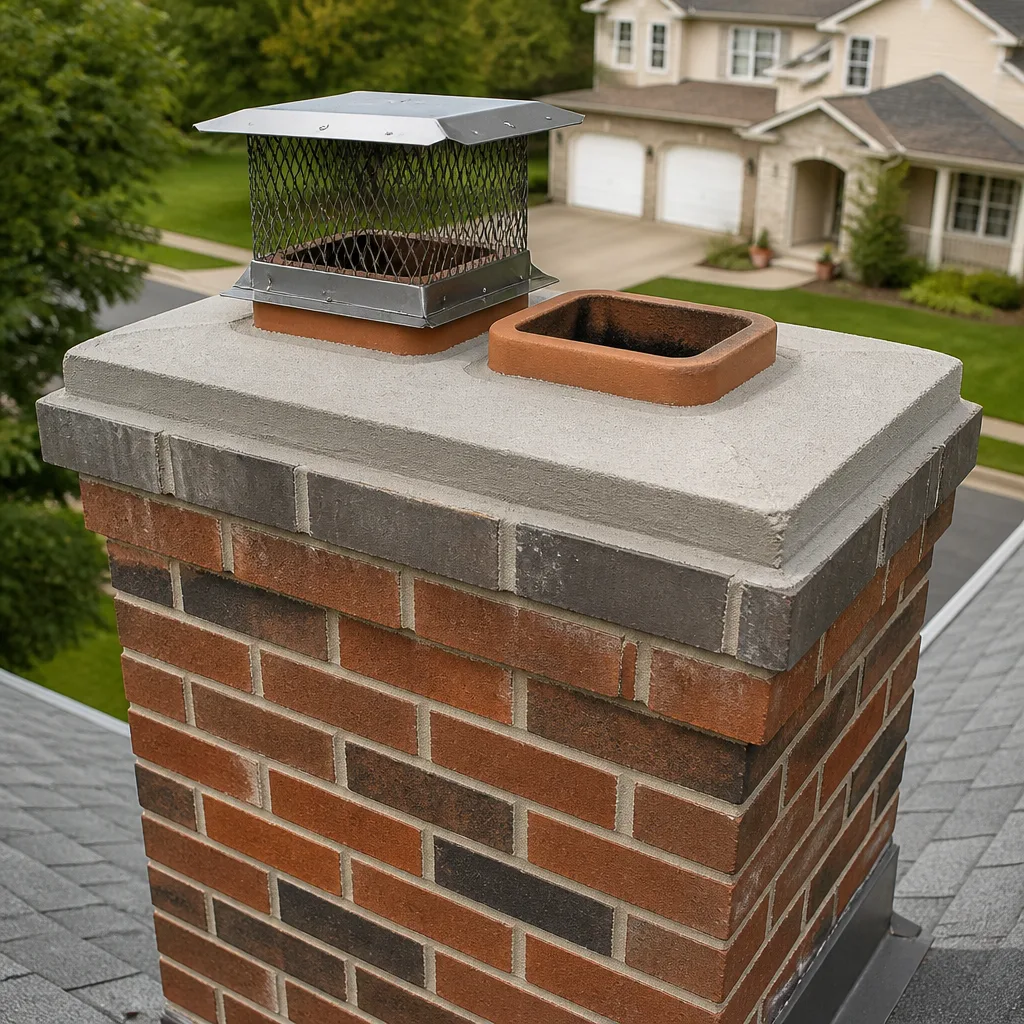 Sweep & inspection
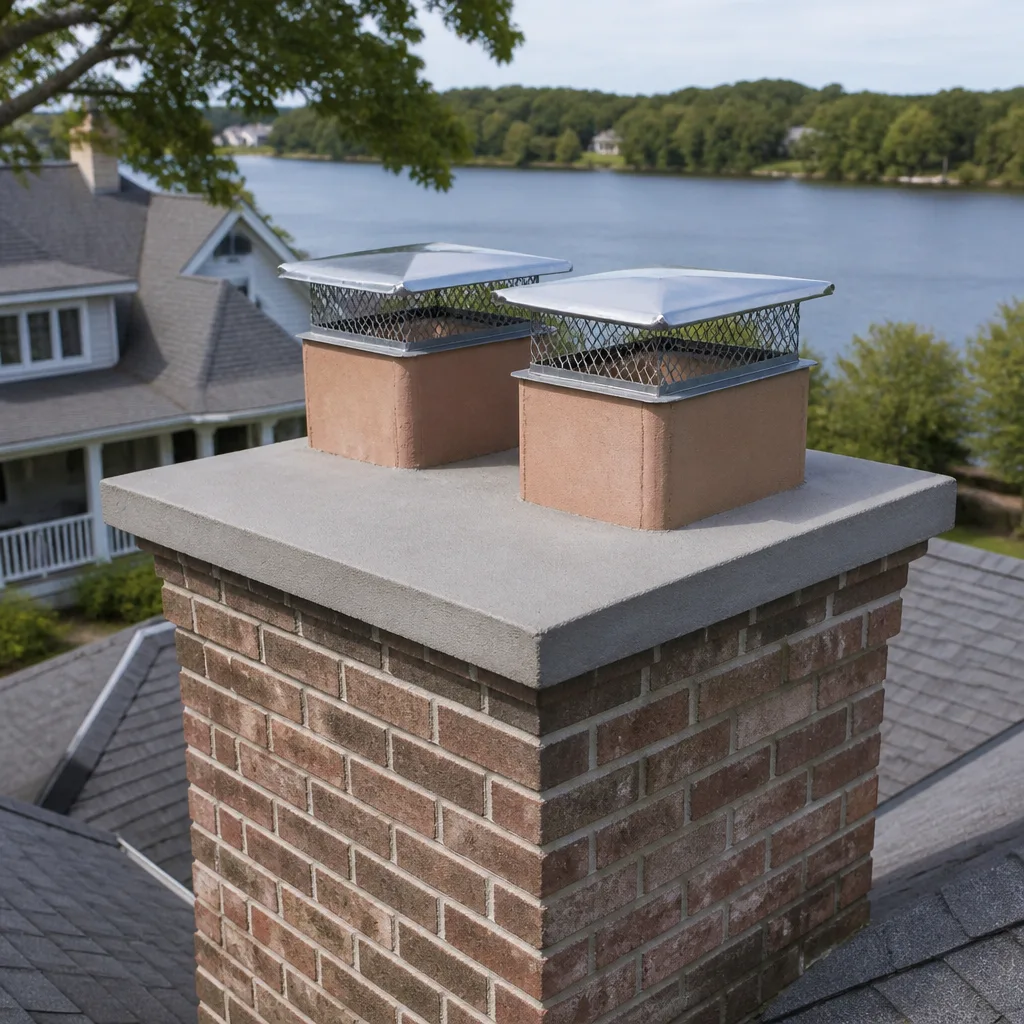 Caps & crowns
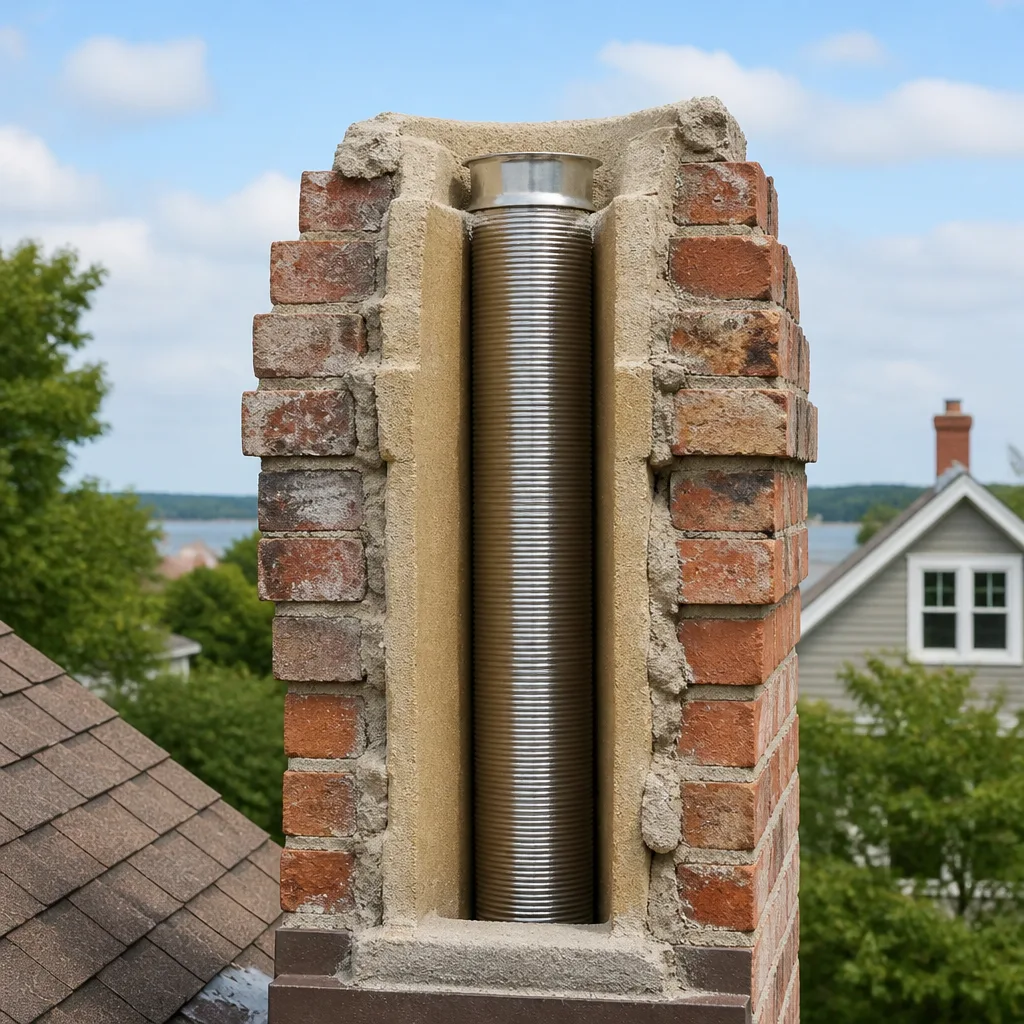 Flue relining
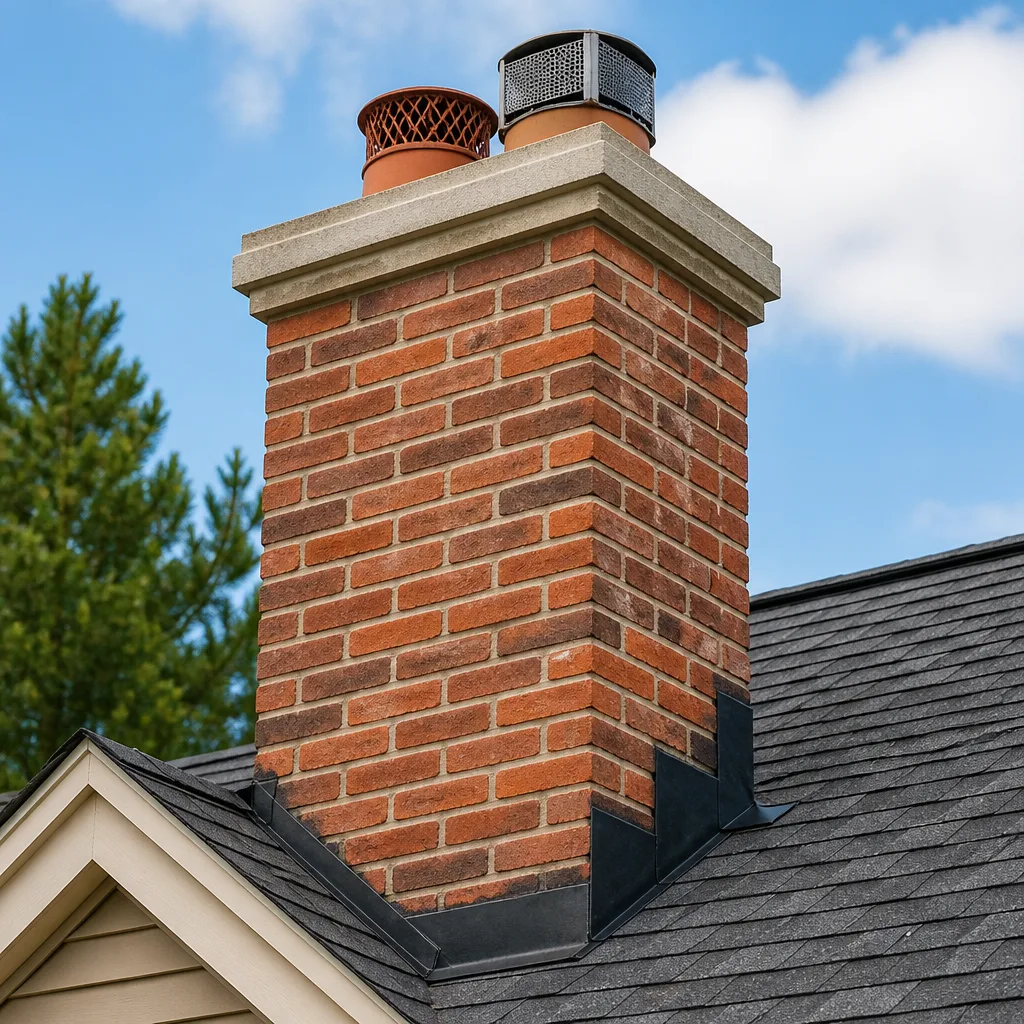 Masonry repair
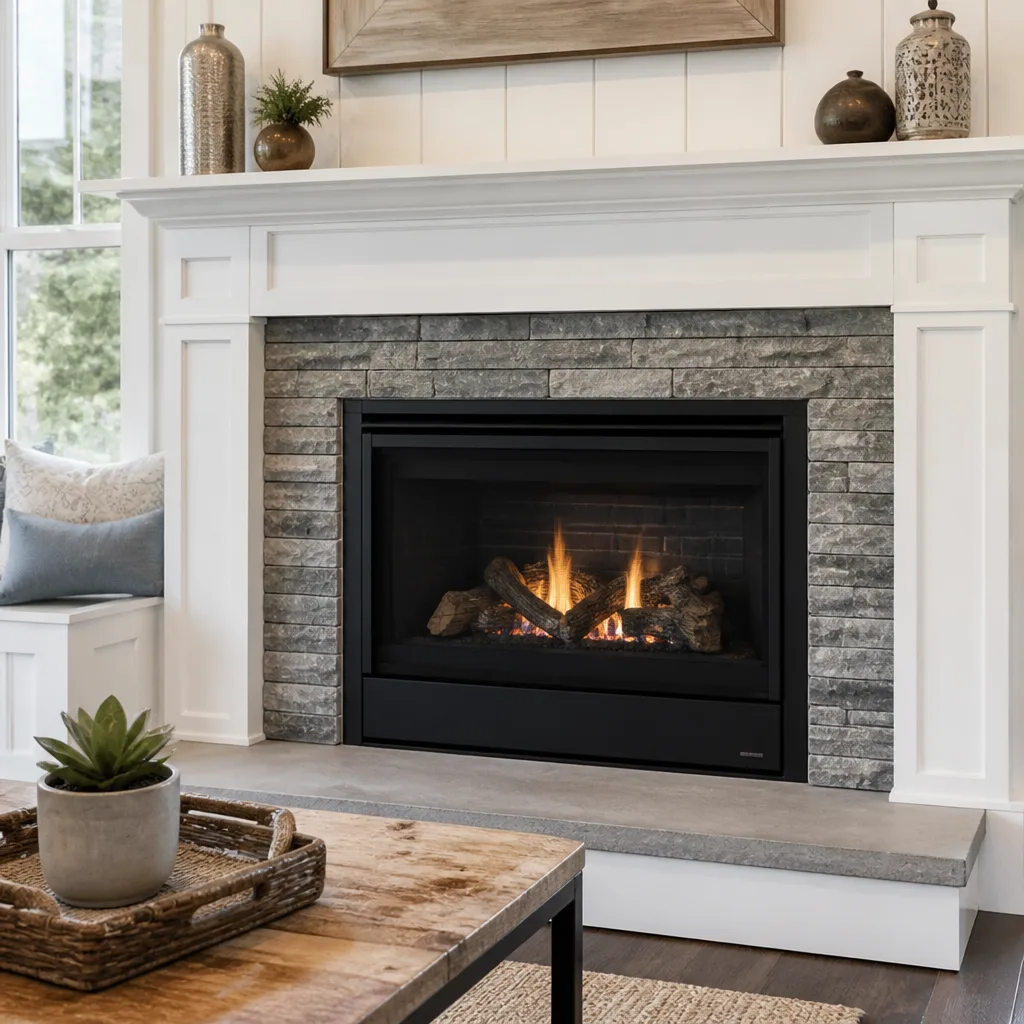 Gas fireplace service
Level 1 sweep and inspection to the NFPA 211 annual standard - flue, crown, cap, and flashing checked and photographed
Chimney sweep logs do not sweep chimneys. They loosen some creosote - which then falls where a brush and vacuum still have to collect it.
Chimney Sweep Maintenance Checklist for Fountain Valley Homeowners
Most chimney checklists online are recycled from cold-climate guides written for homes that burn wood six months a year. That makes them nearly useless for a Fountain Valley homeowner who fires up the fireplace eight times in December. Our climate doesn’t punish a chimney with freeze-thaw cycles or heavy snow loads, so the failure points here are different: long dormant months, dry heat, and the wear that comes from a firebox that sits idle far more than it burns. This guide is a month-by-month maintenance checklist built around how chimneys actually age in Fountain Valley. You’ll learn what you can safely check yourself, what needs a camera and a trained eye, and which small findings should trigger a structural assessment before they become expensive.
Quick Answer
A chimney maintenance checklist for Fountain Valley should focus on pre-season inspection before your first fall fire, monthly visual checks of the cap, crown, and exterior mortar, and a professional sweep and inspection once a year. Because fireplaces here burn intermittently rather than continuously, the biggest risks aren’t heavy creosote loads but water intrusion, pest nesting during dormant months, and slow masonry deterioration that goes unnoticed for years.
Styles & brands we work with
- Sweep & inspection
- Caps & crowns
- Flue relining
- Masonry repair
- Gas fireplace service
Table of Contents
- Why a Fountain Valley Chimney Checklist Looks Different
- Pre-Season Checks Before Your First Fall Fire
- What You Can Safely Inspect Yourself vs. What Needs a Pro
- A Month-by-Month Task Breakdown for Fountain Valley
- How to Document Your Chimney Year Over Year
- Checklist Items That Signal a Structural Assessment
- Pests, Nests, and Dormant-Season Problems
- Cap, Crown, and Water Defense: The Most Ignored Category
- Common Mistakes to Avoid
- When to Call a Professional
- Frequently Asked Questions
Why a Fountain Valley Chimney Checklist Looks Different
A chimney in a mild-winter climate doesn’t face the same stress as one in the mountains, but it faces a different set. Understanding those stresses is what makes a checklist useful instead of generic. Here’s what actually affects a chimney in Fountain Valley over the course of a year.
- Intermittent use means uneven buildup. A fireplace used a dozen times a season produces creosote more slowly than one used daily, but the deposits can be glazed and stubborn because each fire is a cold start. A single annual sweep keeps this manageable.
- Long dormant periods invite pests. When a flue sits unused for months in warm weather, spiders, wasps, and birds treat it as shelter. A proper cap is the difference between a clean flue and a nest blocking it when you light the first fire of fall.
- Dry heat and sun age the crown. The concrete crown on top of the chimney expands and contracts through hot summers. Hairline cracks that seem harmless let water into the masonry below.
- Water is the real enemy here. Without freeze-thaw to accelerate damage, water intrusion works slowly. It softens mortar, spalls brick faces, and rusts damper hardware over years rather than months.
- Older Fountain Valley homes have older flues. Many homes built in the mid-to-late twentieth century still have original clay tile liners that have never been camera-inspected. A checklist is how you find that out before a problem forces the issue.
Every item on this checklist exists because we’ve seen what happens when it’s skipped. A cap that’s been missing for two seasons does more damage than a decade of ordinary burning. That’s the mindset this guide is built around: a clean chimney is the starting point, but a safe chimney is the goal.
Pre-Season Checks Before Your First Fall Fire
Do these checks in late September or early October, before you light the first fire of the season. This is the single most valuable window on the calendar, because it’s when you still have time to fix something before you need the fireplace.
- Look at the cap from the ground. Use binoculars. Confirm the cap is present, sitting level, and its mesh or louvers aren’t torn or packed with debris. A missing or damaged cap is the number one invitation for water and wildlife.
- Scan the crown for cracks. The crown is the sloped concrete top. Fine surface crazing is normal; cracks wide enough to catch a fingernail are not. Note them with a photo.
- Check the exterior mortar joints. Walk the exterior of the chimney and look for crumbling or recessed mortar between bricks, white staining, or brick faces that are flaking. These point to water getting in.
- Open the firebox and look up. With a flashlight, look at the damper and the first few feet of flue. You’re checking for animal nests, heavy soot, or leaves, not diagnosing creosote levels. If you see a nest, stop and call for a sweep.
- Test the damper by hand. It should open and close smoothly. Stiffness, grinding, or a damper that won’t stay open is a sign of rusted hardware and belongs on your call list.
- Clear the firebox of stored items. Old ashes, decorative items, or anything stored inside the firebox needs to come out before the season starts. Andres and ash pans should be emptied and inspected.
If any of these checks turn up something you can’t explain, write it down and get an inspection booked. Our chimney sweep includes a camera inspection of the flue, which is the only way to see what the upper sections actually look like.
What You Can Safely Inspect Yourself vs. What Needs a Pro
You can safely do a lot of monitoring yourself between professional visits, and doing so makes the annual inspection more productive. But there’s a clear line between monitoring and diagnosing, and it’s worth knowing which side of that line you’re on. This comes down to access, tools, and what a problem actually means.
Safe for you to check
- Cap condition from the ground with binoculars.
- Crown cracks from the ground or a safely accessible flat roof, never by climbing the chimney.
- Exterior mortar and brick at ground level.
- Damper operation by hand.
- The firebox and lower flue with a flashlight.
- Soot and debris levels at the smoke shelf.
Requires a professional
- The upper flue and liner interior. This needs a camera on a rod, not a flashlight.
- Creosote classification. Whether deposits are stage one, two, or three changes how the flue is cleaned and whether it’s safe to burn.
- Liner integrity. Cracks in clay tiles and gaps between sections are only visible on camera.
- Crown and masonry repair decisions. Whether a crack is cosmetic or structural is a judgment call, and water paths are not always where they appear.
- Any repair involving the flue, cap mounting, or crown rebuilding. These are not homeowner tasks. Liner work and crown rebuilds are physically demanding and a fall risk, and a badly secured cap is worse than none.
The reason we push camera inspection as a standalone service is simple transparency: you should be able to see the inside of your own flue and understand why a recommendation was made. We’ll tell you exactly what we find and exactly what it means, including when a finding can safely wait. And when something is genuinely beyond monitoring, like a compromised liner or a failed crown, we bring the right materials to fix it properly rather than hand the job to a subcontractor.
A Month-by-Month Task Breakdown for Fountain Valley
A four-season checklist written for a snowy climate doesn’t fit here. Fireplaces in Fountain Valley see most of their use from November through February, with a few cool evenings in October and March. The rest of the year is about protecting the chimney while it’s dormant. Here’s a calendar that matches that pattern.
January – February: Mid-season checks
- After several fires, look at the firebox for excessive soot or debris on the smoke shelf.
- Confirm the damper still opens fully and closes flush.
- Note any smoke spilling into the room on startup, which is an airflow signal worth investigating.
March: End-of-season review
- Once you’ve stopped burning for the year, sweep the firebox and empty the ash pan.
- Note how much you actually burned this season. A log of roughly how many fires you had helps judge whether an annual sweep is still appropriate.
- Take your first set of photographs for the year (see the next section).
April – May: Spring exterior inspection
- Walk the exterior and photograph the crown, cap, and mortar.
- Look for new cracks or staining that weren’t there the previous spring.
- Check the cap mesh for winter debris.
June – August: Dormant-season protection
- Keep the damper closed and the firebox clean to discourage pests.
- Watch the cap after any wind event. A dislodged cap is a summer problem, not a fall one.
- Book your annual sweep and inspection so it’s done before the season starts.
September: Pre-season checks
- Run the full pre-season list from earlier in this guide.
- Confirm the sweep is complete and the inspection report is on file.
- Test the damper and open the firebox for any summer nests.
October – December: Early season monitoring
- Do a quick visual after your first few fires to confirm everything is behaving normally.
- After any notable rain, check the firebox for water stains, which point to a cap or crown issue.
- Keep the annual inspection date on the calendar so it doesn’t slide.
This calendar isn’t a substitute for a professional inspection, but it keeps you in touch with your chimney all year. The Fountain Valley Chimney Sweep team builds the actual service around your inspection findings, so the timing that matters most is being ready before the first fire.
How to Document Your Chimney Year Over Year
A photo log is one of the most useful things a homeowner can keep, and almost nobody does it. It takes fifteen minutes a year, and it turns “I think that crack has always been there” into a documented record. It also gives you something concrete to hand an insurer if a water or fire claim ever comes up, since maintenance history is part of how claims get reviewed.
Here’s how to build one that’s actually useful.
- Stand in the same spot every time. Pick a fixed position on the ground with a clear view of the chimney. Shoot the same angles each spring from that exact spot. The consistency is what makes comparison valid.
- Photograph the four key areas. The cap, the crown, each visible exterior face of the masonry, and the firebox with the damper open. Those cover the majority of slow-developing problems.
- Include a reference for scale. Place a coin or small measure next to any crack so you can tell whether it’s grown. A photo with no scale is hard to compare year to year.
- Label and date every photo. Keep them in one folder with the year in the name. A phone’s camera roll is not a maintenance record.
- Save the professional inspection report alongside your photos. Every written report from a sweep, plus the camera photos of the flue interior, belongs in the same folder. That combination of your visual record and the professional record is what tells a story over time.
- Add a one-line note each year. “No changes” is a valid entry and takes ten seconds. A history of negative findings is just as valuable as a history of repairs.
When a recommendation does come up, a photo log lets you see whether the issue is new or has been developing slowly. That context makes it much easier to decide whether to act now or plan the work for the following season. We’d rather give you that clarity than a generic repair list.
Checklist Items That Signal a Structural Assessment
A sweep and a structural assessment are two different services, and confusing them wastes your money or, worse, misses a real problem. A sweep cleans the flue. A structural assessment looks at whether the chimney as a system is sound: the liner, the crown, the masonry, and how water moves through it. Here’s how to tell the difference from your own observations.
These findings mean it’s time to schedule an inspection as a structural review, not just a cleaning:
- Water stains inside the firebox after rain. This points to a failed cap, crown, or flashing, and water inside the chimney is a structural issue, not a cleaning one.
- Crumbling mortar near the top of the chimney. The upper masonry takes the most weather. Recessed joints there often mean the crown has been failing for a while.
- A crown with cracks wider than a fingernail, or pieces missing. The crown protects the entire masonry column below it. Once it’s broken, water gets into places a sweep can’t reach.
- Spalling brick faces. When brick surfaces flake or pop off, the material has absorbed water and is degrading. This is a repair, not a cleaning.
- Rust or heavy corrosion on damper hardware. A damper that’s seized or won’t close fully is a sign water has been getting in for some time.
- A visible clay liner with cracks or gaps from your lower-flue check. Cracks in the flue lining need a camera review to determine scope.
- A white, chalky staining on the chimney exterior. That’s efflorescence, which means water is moving through the masonry. It’s a signal to look closer.
When a structural review turns up a deteriorating flue interior, the fix isn’t always a rebuild. We perform HeatShield liner resurfacing, a restoration system for flue interiors that are damaged but still structurally sound. When a full relining is needed, we install DuraFlex flexible liner systems. Those two capabilities are why a lot of chimney companies would have to hand off the important part of the job. We don’t. For structural masonry or firebox concerns, our chimney repair service covers what a sweep alone can’t.
Pests, Nests, and Dormant-Season Problems
The surprise in this climate is that the chimney’s off-season is more active than you’d expect. A warm, dry, unused flue for five or six months a year is a tempting shelter. Spiders build through the summer, wasps found nests in the flue and cap, and birds occasionally drop in looking for a nesting site. You usually don’t find out until you light the first fire and either get smoke in the room or a smell you can’t place.
Here’s how to prevent it without doing anything risky.
- Cap it properly. A well-fitted cap with intact mesh is the single most effective deterrent. It keeps birds and large insects out of the flue and sheds rain off the crown. If your cap is missing, damaged, or lifting at one edge, that’s the first thing to fix.
- Keep the damper closed between fires. An open damper is an open doorway from the top of the chimney into your home.
- Inspect before you burn. Before the first fire of the season, look up the flue with a flashlight. If you see a nest or debris, don’t light anything. Call for a sweep.
- Watch for signs of activity. Staining, small droppings in the firebox, or a buzzing sound are all reasons to look closer. None of these mean you need a repair yet; they mean you need eyes on the flue.
- Don’t spray anything into the flue. This is a job for a sweep, both because of access and because anything you put into a flue has to be cleared before you burn again.
Pest nesting is exactly the kind of finding that a camera inspection resolves in a few minutes. We hand you the photo, replace the cap if it’s compromised, and clear the flue so you can burn safely. A
Cap, Crown, and Water Defense: The Most Ignored Category
If you take one thing from this guide, make it this one. In Fountain Valley’s climate, water does more chimney damage than fire does. The chimney doesn’t see freeze-thaw stress, so the failure mode is slow: water finds a crack, softens mortar and brick over multiple seasons, and by the time it’s visible inside the firebox, it’s been happening for a while. The cap and crown are the primary defense, and they’re the two things homeowners ask about least.
The cap is the metal or masonry cover on top, with mesh or louvers, that keeps rain, birds, and debris out of the flue. The crown is the sloped concrete or masonry top that sheds water off the chimney column itself. Each does a different job, and each fails differently.
- A cap that’s lifting, loose, or missing lets water run straight into the flue and firebox. It also lets wildlife in. It’s the first check on your pre-season list for good reason.
- A cracked or crumbling crown lets water soak into the masonry below it. The crack itself seems small, but the damage below is often the expensive part.
- A chimney when both are compromised is the case where water damage accelerates. If you’re seeing water in the firebox after rain and the crown is visibly cracked, that’s a repair job, not a cleaning.
What most people don’t realize is that cap and crown work is a specialization in its own right. The fit and mounting of the cap, and the materials used to rebuild or seal a crown, are the difference between a fix that lasts a decade and one that fails again after a winter or two. We install and replace caps and crowns using professional-grade brands like Gelco, Famco, and Copperfield: the same materials specified for durable installations, not hardware-store substitutes. If you’ve never had your cap and crown looked at, that alone is reason enough to book an inspection before the next rainy season.
We’ll tell you exactly what we find and exactly what it means. A small crown crack that can be sealed this season is different from a crown that needs rebuilding, and you should be able to see that difference in the photos yourself.
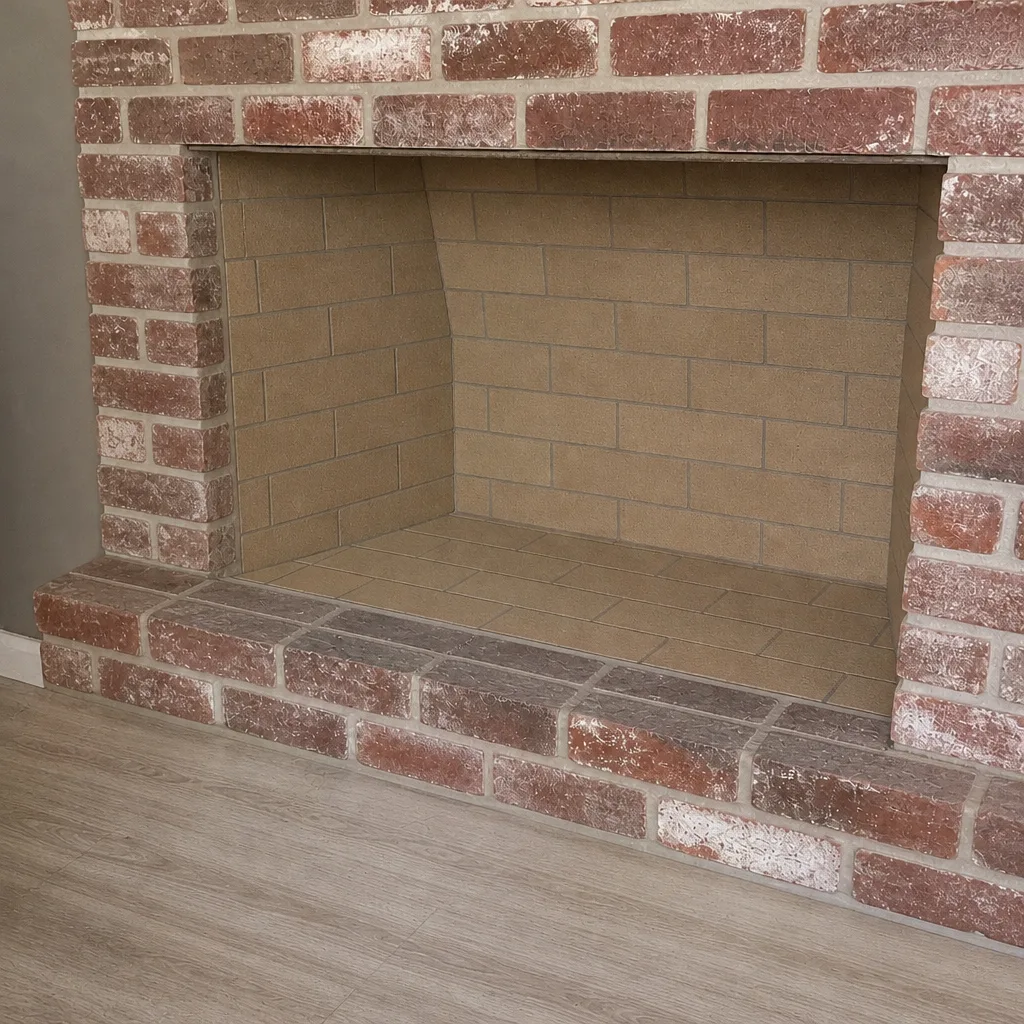
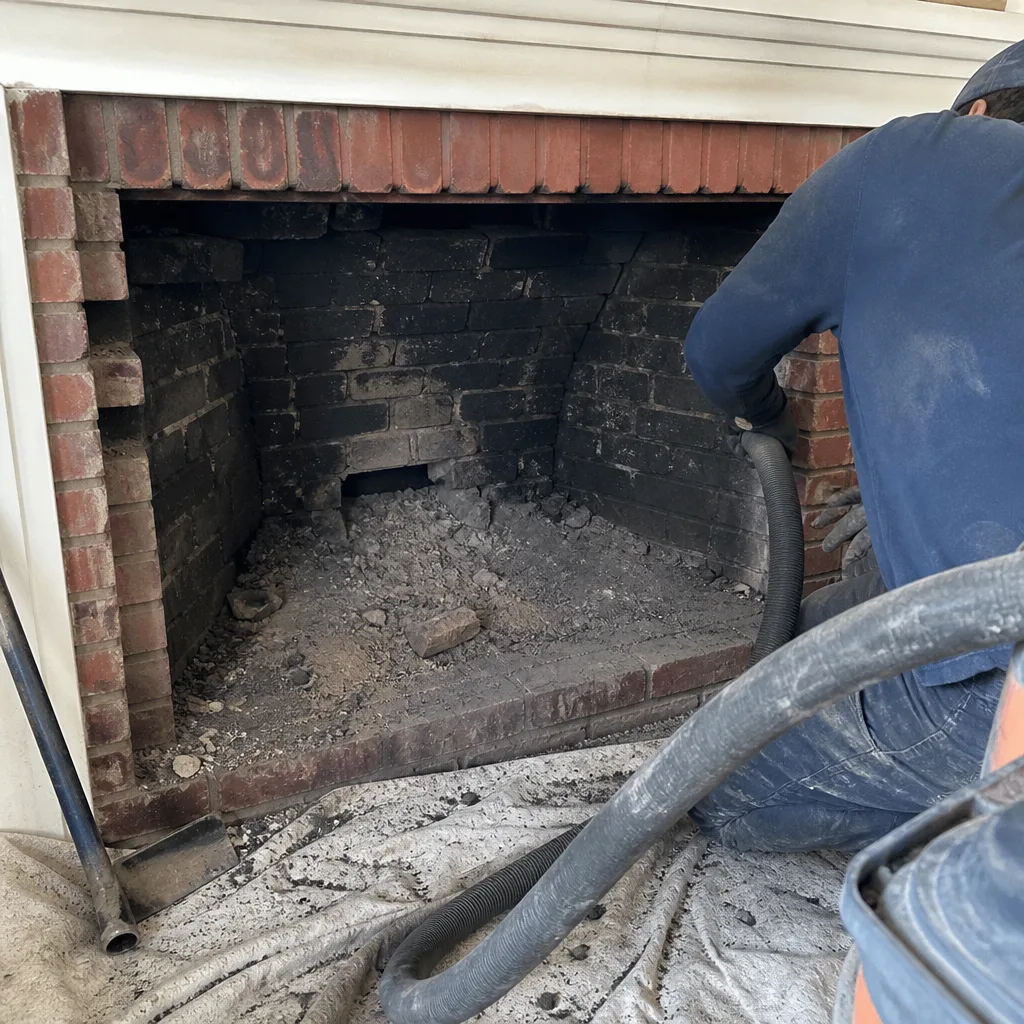
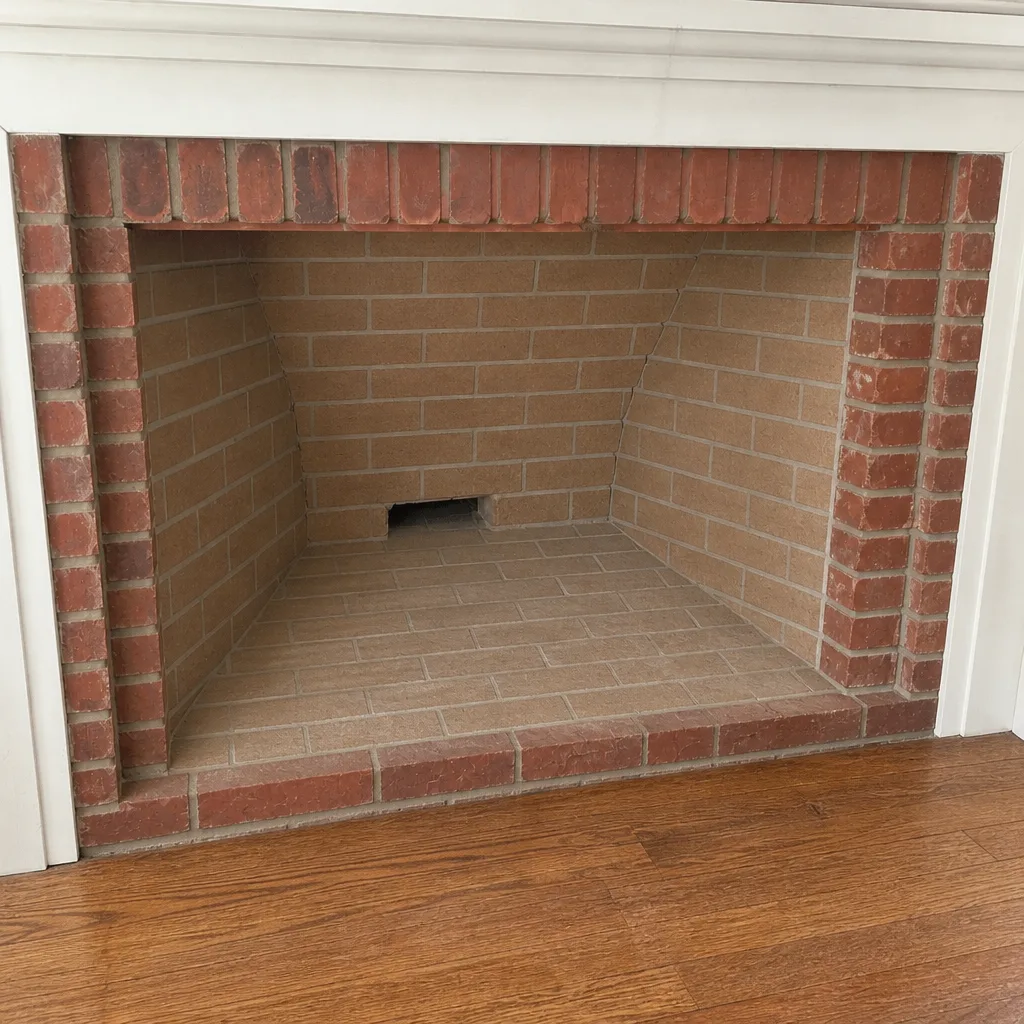
See the difference
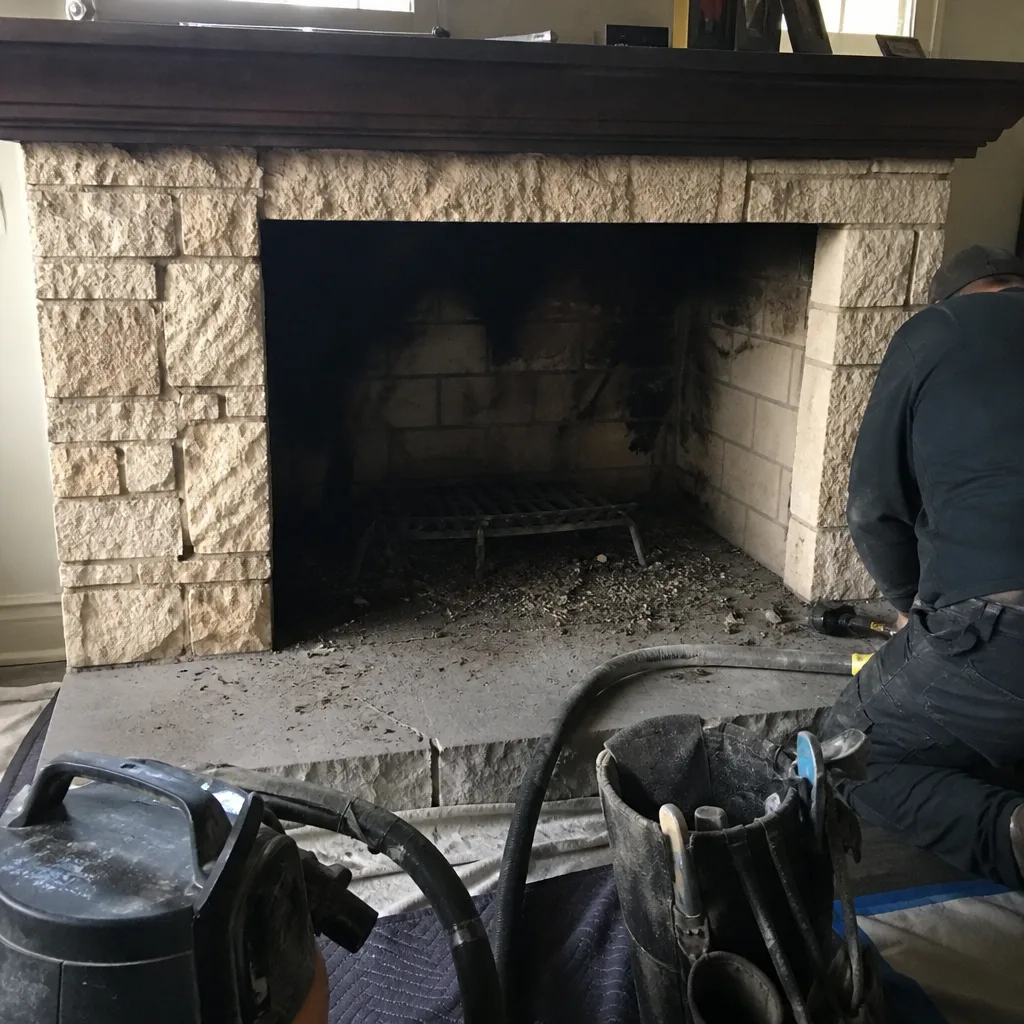 Before
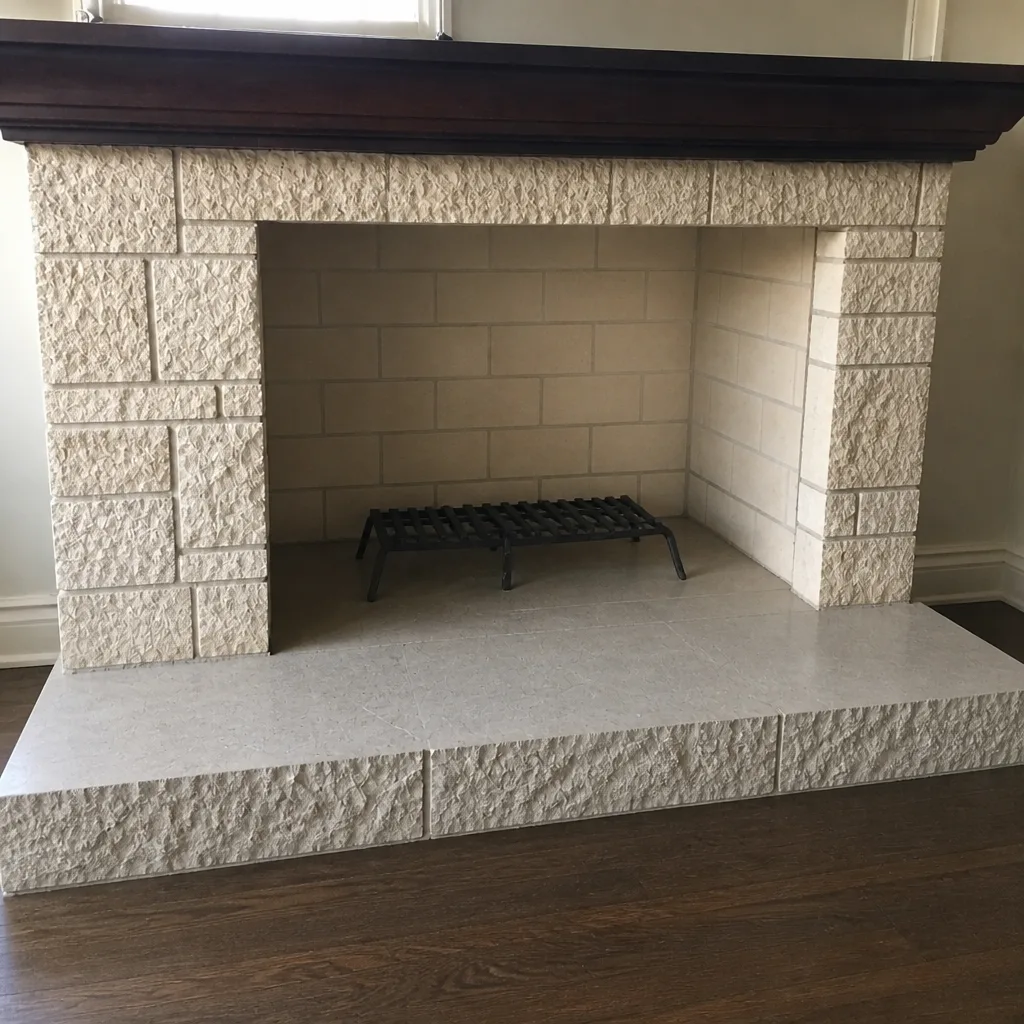 After
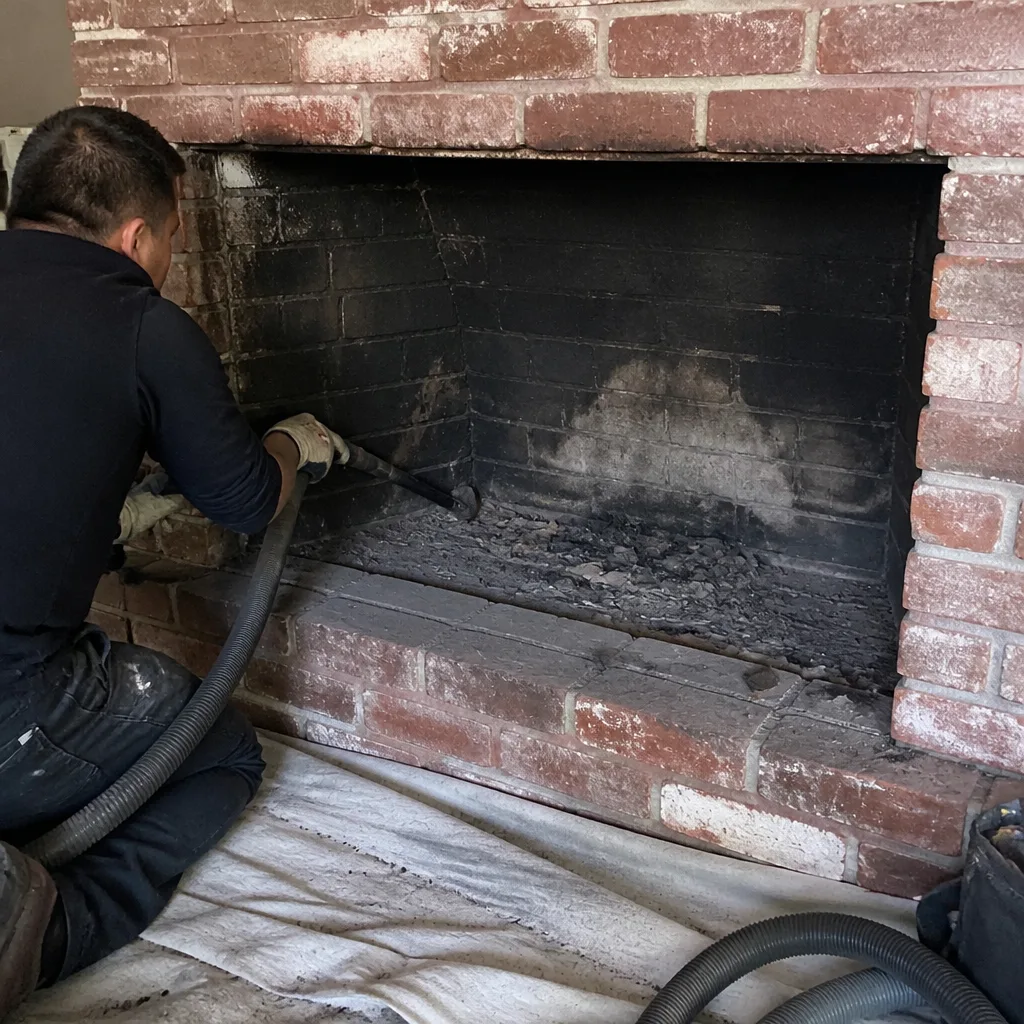 Before
 After
 Before
 After
Common Mistakes to Avoid
- Following a cold-climate checklist. A guide written for a snowy climate will have you checking for freeze damage and ice damming that don’t happen here, while missing the pest nesting and water intrusion risks that do. Use a checklist built for Fountain Valley’s actual year.
- Waiting for the first fire to think about the chimney. Once fall arrives, you’re checking under time pressure. Do the pre-season inspection when there’s still time to fix a finding before you need the fireplace.
- Ignoring the cap because it’s out of sight. The cap is out of your line of sight most of the year, and it’s the number one cause of water damage. Check it with binoculars each spring, not with a climbing attempt.
- Treating a camera inspection as optional. You can’t see the upper flue and liner with a flashlight. Camera inspection is the diagnostic foundation, and skipping it means accepting findings you can’t verify.
- Believing the chimney is fine because the fire burns okay. A chimney can have a degraded crown and cracked liner and still draft on a mild evening. A good fire tells you nothing about the state of the masonry above the firebox.
- Skipping the yearly sweep because you don’t burn much. Intermittent use produces creosote slowly but steadily, and cold-start fires can create glazed deposits. An annual sweep keeps the flue in a condition you can control.
- Not keeping photos. Without a year-over-year record, you can’t tell a new problem from an old one. Fifteen minutes a year protects your ability to plan work and to make a claim if it ever comes to that.
When to Call a Professional
Some findings are worth a sweep appointment. Some are worth a conversation before you book. And a few are urgent enough that you should stop burning until someone has looked. Call us if you see water in the firebox after rain, a cap that’s missing or lifting, a crown with cracks you can fit a coin in, crumbling mortar in the upper masonry, or a damper that’s stiff or won’t close tightly. Call before your first fall fire if the fireplace hasn’t been swept in over a year. And call immediately if you see cracks in the flue lining from your lower-flue check, or if the firebox itself has visible damage: a breached firebox or a cracked liner is a safety issue, and the fireplace should stay unlit until it’s assessed. Our fireplace repair team handles the firebox and damper side, so a single visit can address the whole system. Fountain Valley Chimney Sweep offers free estimates in Fountain Valley – call (855) 337-1702.
Frequently Asked Questions
Once a year is the standard for a fireplace used regularly, and that’s the timing that fits Fountain Valley’s seasonal pattern best. If you burn a dozen times a season, an annual sweep after the season ends and a pre-season inspection in early fall keep the flue in a known condition. Call (855) 337-1702 for an exact quote – estimates are free.
Water intrusion through a failed cap or crown. The mild climate means the failure isn’t dramatic, but it’s steady, and it’s the single most common reason masonry and liner problems develop here. The upside is that it’s the easiest category to prevent with an annual visual inspection. Call (855) 337-1702 and we’ll take a look.
No, a flashlight only gets you the first few feet. The upper flue and liner need a camera inspection to see cracks, gaps between liner sections, and creosote classification. That’s why we treat inspection as a standalone service; it’s the diagnostic foundation before we recommend anything. Call (855) 337-1702 for a camera inspection.
HeatShield is a proprietary liner resurfacing system used when the flue interior is deteriorating but still structurally sound. It restores the liner rather than replacing it, which is a less invasive fix. We evaluate whether resurfacing or a full relining is the right call after the camera inspection, and we show you the evidence. Call (855) 337-1702 to discuss your options.
Yes, because a clean draft tells you nothing about the crown, cap, or upper liner. A chimney with a cracked crown and a rusting damper can still draw well on a mild night, and the visible firebox usually looks unaffected. An annual inspection catches what the flame doesn’t reveal. Call (855) 337-1702 to book a check.
Keep dated photos from the same vantage point each year, plus every written inspection report with its camera images, in one folder. A consistent record of annual inspection and maintenance is the strongest thing you can hand an insurer if a claim ever arises. We’ll leave you with a written report and the flue photos on every inspection. Call (855) 337-1702 to start your record.
The most likely outcome is slow water damage to the crown and masonry, plus creosote buildup in a flue you can’t see into. In Fountain Valley’s climate the chimney won’t fail suddenly, but the repairs get bigger the longer small findings go unaddressed. A single sweep and inspection now resolves the uncertainty. Call (855) 337-1702 for a free estimate.
The Bottom Line
A chimney checklist built for a cold climate doesn’t help a Fountain Valley homeowner. The risks here are water intrusion through a worn cap or crown, pest nesting during long dormant months, and masonry that ages slowly enough to go unnoticed. Check the cap and crown each spring with binoculars, run the pre-season list each fall, keep a dated photo log, and get a professional sweep and camera inspection once a year. Watch for water stains, crumbling upper mortar, a stiff damper, and cracks in the flue. Those are the signals to schedule a structural assessment rather than a simple cleaning. Knowing what’s safe to monitor yourself and what needs a trained eye is the whole point of the exercise.
At Fountain Valley Chimney Sweep, we handle the full chimney, from the firebox to the crown, with professional-grade materials and no subcontracting. Our technicians have up to 11 years of experience, and every service starts with evidence you can see for yourself. We’ll tell you exactly what we find and exactly what it means, including when something can wait. Call (855) 337-1702 for a free estimate. We answer 24/7. Fast dispatch from 7am to 7pm, Sunday through Friday, and we’re closed Saturday.
Written by the team at Fountain Valley Chimney Sweep.