
Last updated November 25, 2026
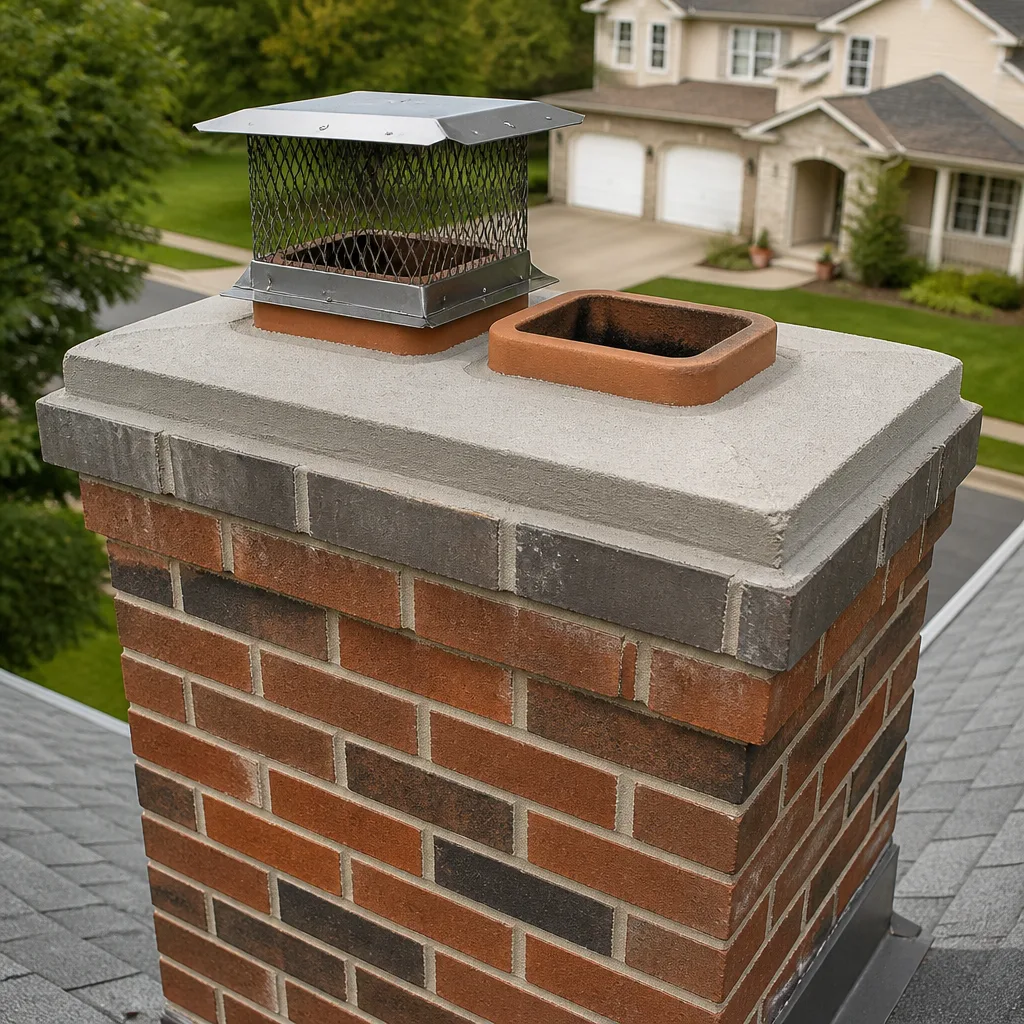 Sweep & inspection
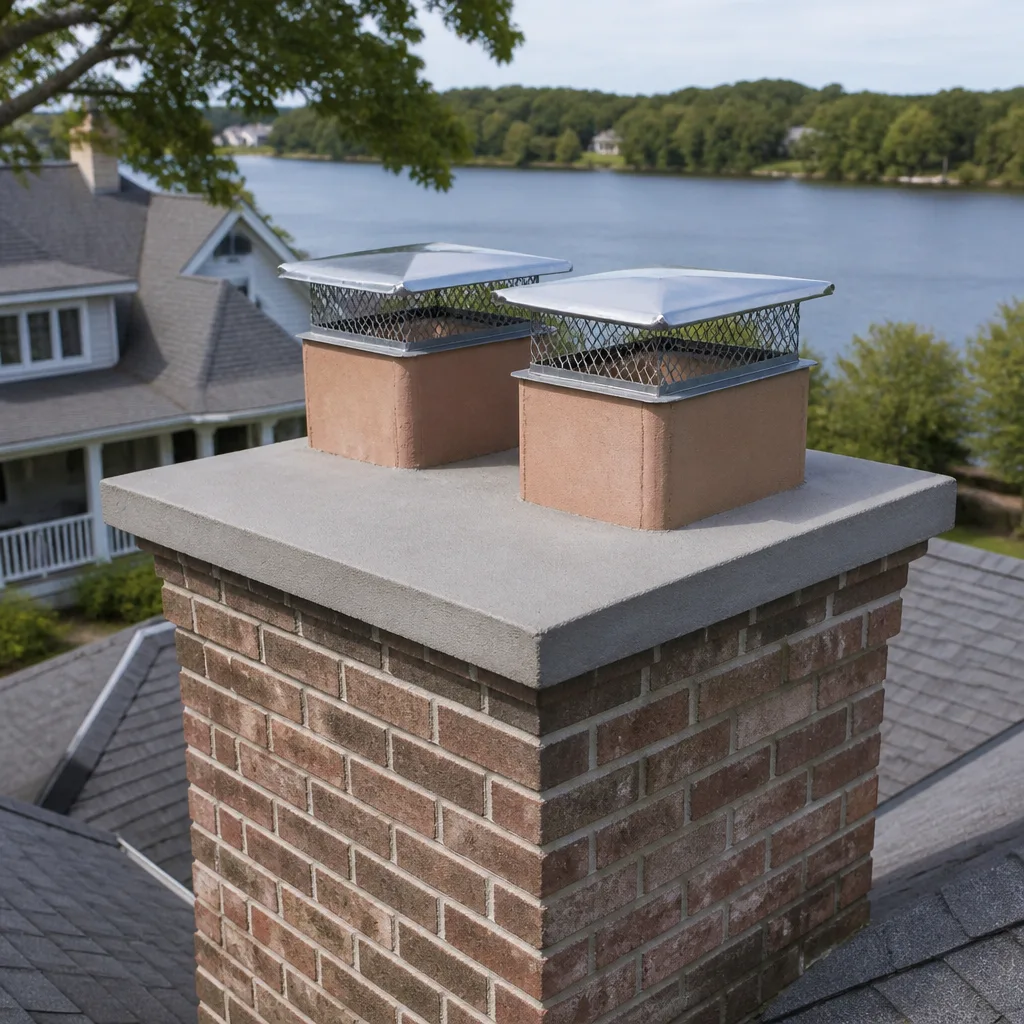 Caps & crowns
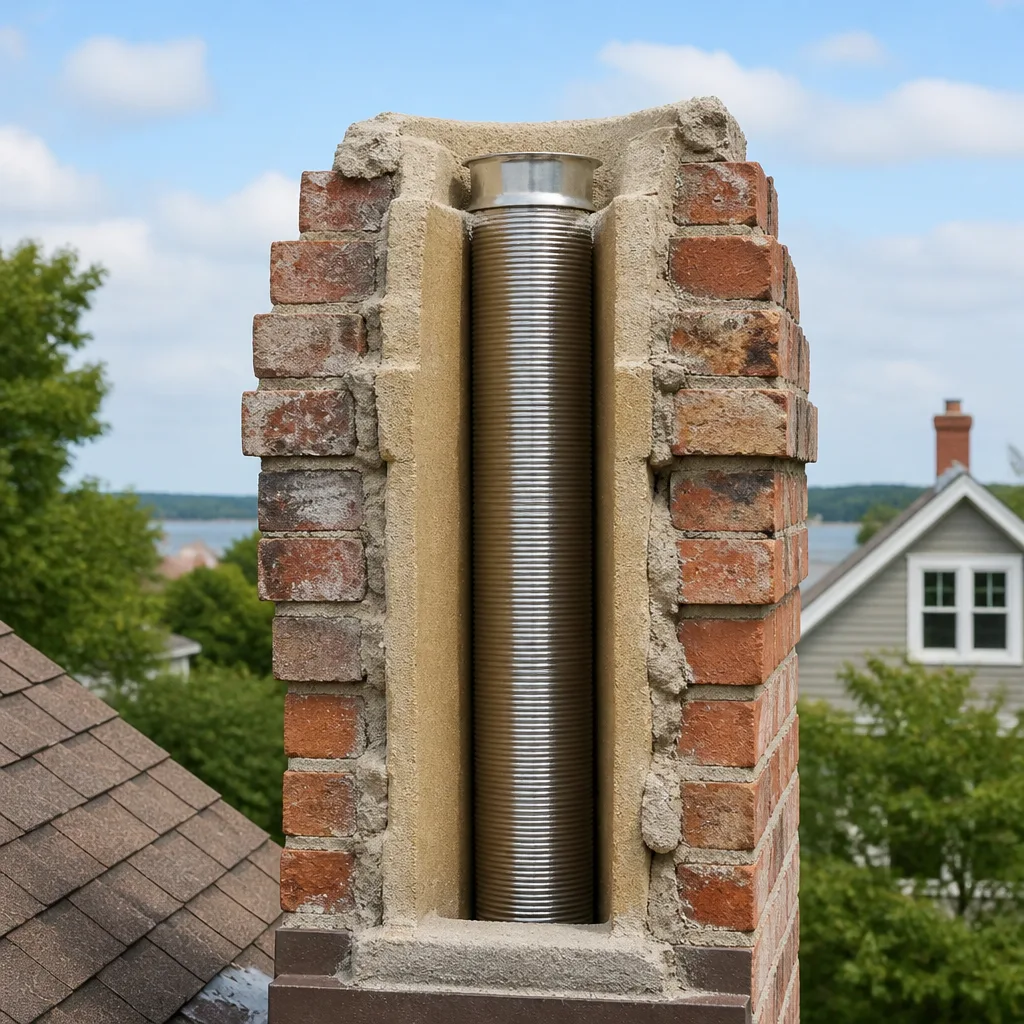 Flue relining
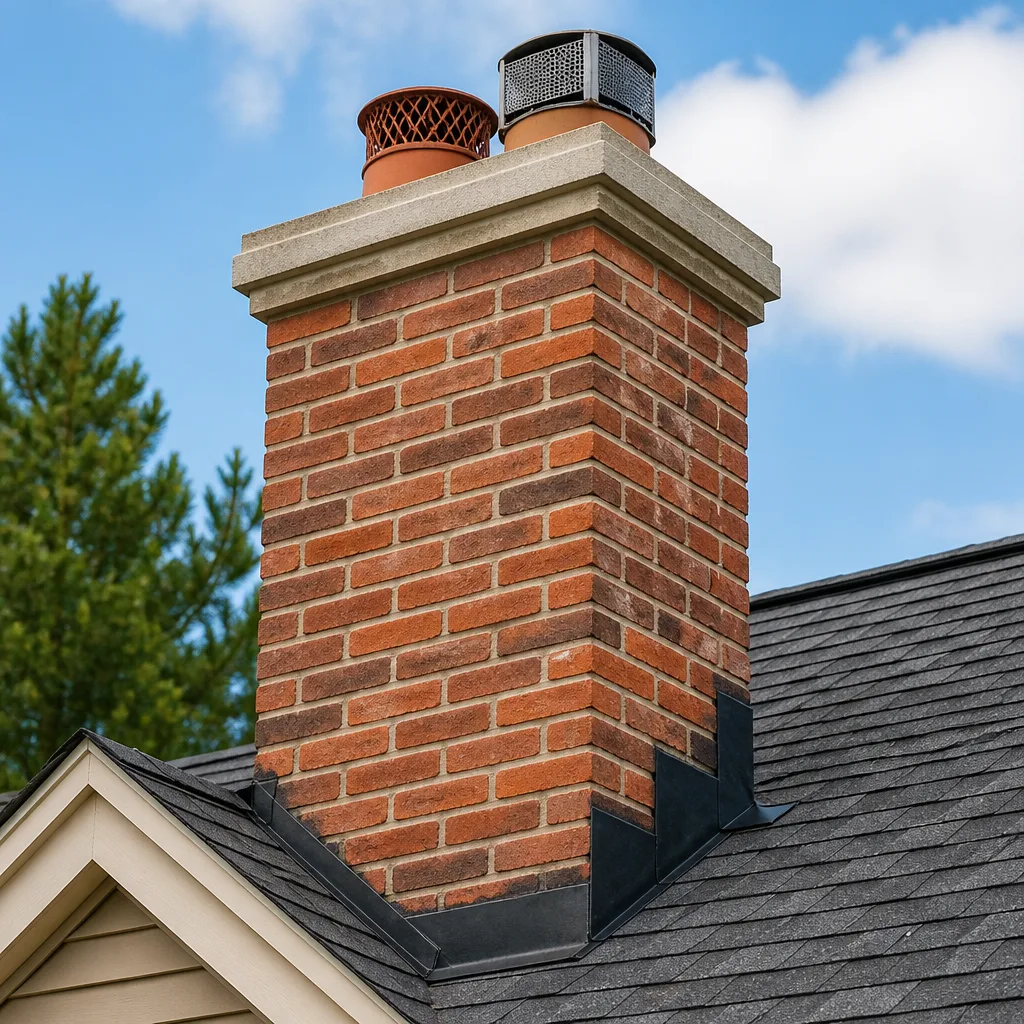 Masonry repair
 Gas fireplace service
Level 1 sweep and inspection to the NFPA 211 annual standard - flue, crown, cap, and flashing checked and photographed
Chimney sweep logs do not sweep chimneys. They loosen some creosote - which then falls where a brush and vacuum still have to collect it.
DIY vs Professional Chimney Cleaning: The Fountain Valley Homeowner’s Decision Guide
You can buy a chimney brush and a shop vacuum for less than the cost of a dinner out. That’s the honest reason so many Fountain Valley homeowners consider sweeping their own flue. The brush isn’t the problem. The problem is what a brush can’t tell you. A brush scrapes creosote off a flue wall; it doesn’t recognize the difference between ordinary soot and stage 2 glazed creosote that needs chemical treatment before any brush touches it. Treat glazed creosote like routine buildup and you can grind it into the liner under heat. This guide maps the real decision points, so you know what you can safely handle at home and what genuinely needs a trained eye.
Quick Answer
A DIY sweep is reasonable only if you’ve burned less than one cord of wood, have no prior damage history, and your clay tile liner is under 10 years old. In every other case, a professional sweep in Fountain Valley is the safer choice, because roughly 60% of what you’re paying for is diagnosis, not cleaning. A brush kit cleans the flue you can reach. It does nothing for the smoke chamber, the upper liner, or the cracked tile that predicts a house fire.
Styles & brands we work with
- Sweep & inspection
- Caps & crowns
- Flue relining
- Masonry repair
- Gas fireplace service
Table of Contents
- What a DIY Brush-and-Vacuum Sweep Actually Accomplishes
- When DIY Chimney Cleaning Is Genuinely Reasonable
- When DIY Becomes a Liability
- Why Southern California’s Low-Use Pattern Creates a Specific DIY Risk
- Legal and Insurance Implications of Self-Performed Chimney Work
- The Smoke Chamber: The Part Most Homeowners Never Reach
- A Realistic Cost Comparison
- Common Mistakes to Avoid
What a DIY Brush-and-Vacuum Sweep Actually Accomplishes
A proper brush-and-vacuum sweep from the top down removes loose soot and light creosote from the straight flue sections you can reach. That’s real work, and it matters. If you’ve burned a modest amount of dry wood and just want the flue cleared, a brush and a good vacuum can do visible good.
Here’s what it doesn’t do. A DIY setup in a typical Fountain Valley home rarely reaches the smoke chamber. That’s the tapered section just above the damper, and it’s where creosote packs into corners a brush glides right past. The upper liner sections above the roofline get missed too, especially if you’re working from the firebox up instead of the top down. And nothing in a $40 kit tells you whether the liner behind the soot is cracked, spalling, or already compromised.
So the honest split looks like this:
- What DIY covers: loose soot in reachable flue sections, some surface creosote, a cleaner firebox.
- What DIY misses: the smoke chamber, upper liner sections, glaze-stage creosote, cracked or spalling tiles, damaged dampers, and the crown and cap on the roof.
- What only a trained eye adds: the ability to tell you whether what you’re looking at is a maintenance issue or a safety problem, and the difference between work that can wait and work that can’t.
A clean chimney is the starting point. A safe chimney is the goal, and the gap between those two is exactly the diagnostic work a professional sweep provides. When we perform a chimney sweep, the cleaning is what you see. The inspection is what protects your home.
When DIY Chimney Cleaning Is Genuinely Reasonable
There are conditions where a careful homeowner can sweep their own flue without taking on meaningful risk. We’re not going to pretend otherwise. The test is whether all of the following are true:
- You’ve burned less than one cord of wood since the last cleaning.
- Your chimney has no prior damage history: no past fire, no known cracked tiles, no previous liner repair.
- Your clay tile liner is under 10 years old and has been inspected at least once since installation.
- You’re burning seasoned, dry wood, not green or unseasoned fuel.
- You have safe roof access and won’t be working at height in unsafe conditions.
- You can see the full flue from the top and confirm no obstructions, bird nests, or debris.
If even one of those isn’t true, the math shifts. The lower your use, the more the creosote you’re removing may not be the creosote that’s actually a problem. That’s the part most DIY guides skip, and it’s the part that matters most in a mild climate like ours, where burning is seasonal and intermittent.
One more consideration: which fuel you burn changes the risk. A gas-log fireplace or a wood-burning insert doesn’t present the same creosote load as an open wood fire, but each has its own venting and inspection needs. If you’re unsure what your system actually is, that’s a sign to have it looked at before you start brushing.
When DIY Becomes a Liability
DIY stops being reasonable the moment the answer to any of these is yes:
- You’ve had a chimney fire. Even a small one can crack tile and warp a damper. A brush won’t show you the damage, and burning again without an inspection risks the next fire starting inside a compromised liner.
- You see glaze or shiny, tar-like creosote. That’s stage 2 buildup, and brushing it can drive it deeper into the liner under heat. It needs chemical treatment and a professional assessment, not elbow grease. If you suspect glazed creosote, stop and have it evaluated.
- The liner is old, cracked, or you’ve never seen it. A cracked tile lets heat and combustion gases reach the framing behind the flue. That’s the pathway from a small defect to a house fire, and it’s invisible from the firebox.
- You have a masonry chimney with a deteriorating interior. Resurfacing with a system like HeatShield restores the flue from the inside. That’s masonry-level work, not a cleaning task.
- There’s been a recent liner or appliance upgrade. A wood stove, insert, or new appliance can require relining to vent correctly, which is code-driven work, not a brush job.
In any of those cases, we’ll tell you exactly what we find and exactly what it means, and nothing gets recommended without camera evidence you can see for yourself. If the work can safely wait, we’ll say so.
Why Southern California’s Low-Use Pattern Creates a Specific DIY Risk
Fountain Valley homeowners tend to burn a few fires on cool evenings rather than running a fire all winter. That pattern lulls people into thinking their chimney stays clean. The opposite is often true.
Infrequent burning can produce thin, acidic condensates that look like almost nothing from the firebox. Low and slow fires, smoldering wood, and cool flue temperatures concentrate those deposits. They’re chemically aggressive to masonry and mortar joints even when the flue looks fairly clean. A homeowner who sees a light dusting of soot and assumes there’s nothing to worry about is reading the wrong signal.
The other local factor is the mild swing in our seasons. From a cool evening in Fountain Valley to a warm afternoon, the flue goes through temperature changes that stress mortar and tile over time. Add acidic condensate and the wear compounds. What looks minimal from the firebox may not be minimal at all when you get a camera into the upper liner.
This is why low-use chimneys deserve a trained eye as much as heavily used ones. A brush removes what’s visible. It won’t identify the thin, aggressive layer eating at your mortar, and it can’t tell you whether your liner is still intact. In our experience, the chimneys that surprise homeowners most are the ones they thought they barely used.
Legal and Insurance Implications of Self-Performed Chimney Work
If you sweep your own chimney and later file an insurance claim for a chimney-related fire, the insurer will ask what maintenance was performed and by whom. Self-performed work puts that burden on you, because you’re the one asserting the chimney was in good condition.
Most homeowner policies are written around reasonable maintenance, and a chimney fire traced to deferred maintenance or unverified condition is where claims get disputed. The documentation insurers commonly request includes:
- A record of when the chimney was last cleaned and inspected.
- Who performed that work, and their qualification to do it.
- Evidence of any repairs, like liner replacement or crown work.
- The condition of the liner and flue at the time of the last service.
A professional sweep with a camera inspection produces a photo report showing the condition of your liner and smoke chamber at the time of service. That’s documentation you can hand to an adjuster. A DIY sweep produces no such record, and a brush-and-vacuum on a Saturday afternoon won’t stand up as condition evidence if a claim is questioned.
We can’t promise how any particular insurer will handle a claim. What we can do is give you the paper trail a professional service produces, which puts the recorded condition of your chimney in writing. When you need chimney repair after a documented problem, that same record keeps the story straight from inspection to repair.
The Smoke Chamber: The Part Most Homeowners Never Reach
The smoke chamber is the tapered space between your damper and the start of the flue. It’s where smoke accelerates out of the firebox, and it’s where creosote collects in corners a straight brush can’t touch.
Why DIY misses it: the smoke chamber is corbelled or sloped, not straight. A standard brush follows the flue and glides past the corbels. Hand-cleaning it from the firebox is difficult, cramped work that most homeowners can’t do thoroughly, and it’s the area most likely to hold combustible buildup on a masonry chimney.
This is why a professional sweep is only worth the money if it actually addresses the smoke chamber. When we perform a sweep in Fountain Valley, the smoke chamber gets real attention, and the camera check tells us whether the flue interior above it is sound. If a deteriorating flue interior turns up, HeatShield resurfacing is the kind of restoration that brings the smoke chamber and flue back into service, and it’s a masonry-level job that most sweep-only companies can’t offer.
A few conditions make the smoke chamber check urgent rather than routine:
- You can smell smoke in the room when the fireplace is running.
- The fireplace smokes or drafts poorly.
- You’ve had a small chimney fire, which can damage the corbelled surface.
- You’ve never had the chimney inspected and the home is older.
On any of those, get it looked at before the next burn. A brush won’t answer the question.
A Realistic Cost Comparison
The cost comparison most DIY guides run misses the value of diagnosis. A cheap build-it-yourself sweep isn’t cheaper than a professional one once you factor in what you’re actually buying. Here’s a fair line-by-line view:
| Line item | DIY approach | Professional sweep (Fountain Valley) |
|---|---|---|
| Brush, rods, vacuum | Purchased one-time | Included in service |
| Flue cleaning | What you can reach | Full flue, smoke chamber, firebox |
| Camera inspection + photo report | Not included | Included |
| Creosote-stage assessment | Not available | Included |
| Liner and tile condition check | Not available | Included |
| Crown and cap inspection | Roof work, high risk | Included |
| Documentation for insurance | None | Provided |
We price per job, and the written estimate sets the final price. The professional side of that table is what you pay for the sweep: the cleaning plus the diagnostic record. Call (855) 337-1702 for an exact quote. Estimates are free.
Where the real cost shows up is when a missed problem turns into a repair. A DIY sweep that skips a cracked liner doesn’t save money; it defers spending until it’s a home-safety emergency. That’s the part a spreadsheet comparison can’t price.
Common Mistakes to Avoid
- Brushing glazed creosote. Stage 2 glazed buildup needs chemical treatment, not brushing. Grinding it into the liner under heat is how a manageable buildup becomes a fire risk.
- Sweeping from the firebox up but never checking the top. Working bottom-up misses the upper liner and the cap, where most obstructions and crown damage live. A proper sweep goes top-down so the full flue is reachable.
- Assuming low use means a clean chimney. In Fountain Valley’s mild pattern, intermittent burning can concentrate acidic condensates that look minimal but eat at mortar. Low use is not low risk.
- Skipping the crown and cap. The crown is the primary defense against water intrusion, and a cracked crown lets water into the masonry. Most homeowners never think to ask about it, and a DIY sweep won’t touch it.
- Working at height without the right setup. Roof access on a sloped or tiled roof is genuinely dangerous, and a fall is a bigger risk than the creosote. If you’re not confident on the roof, don’t go up.
- Ignoring the smoke chamber. It’s the part a brush can’t clean and the part most likely to hold combustible buildup. Skip it and the sweep is incomplete.
- No documentation. A self-performed sweep leaves no record of liner condition. If you ever file a claim, that gap is your problem to solve.
When to Call a Professional
Call a professional if any of the following applies: you’ve had a chimney fire, you see shiny or tar-like creosote, your liner is old or cracking, you smell smoke when the fireplace runs, you’ve just bought an older Fountain Valley home and want confirmation it’s safe, or you’ve never had an inspection. Those are the conditions where a trained eye earns its keep. Fountain Valley Chimney Sweep offers free estimates in Fountain Valley, and we’ll tell you exactly what we find, with camera evidence you can see. Our technicians have up to 11 years of experience. Call (855) 337-1702.
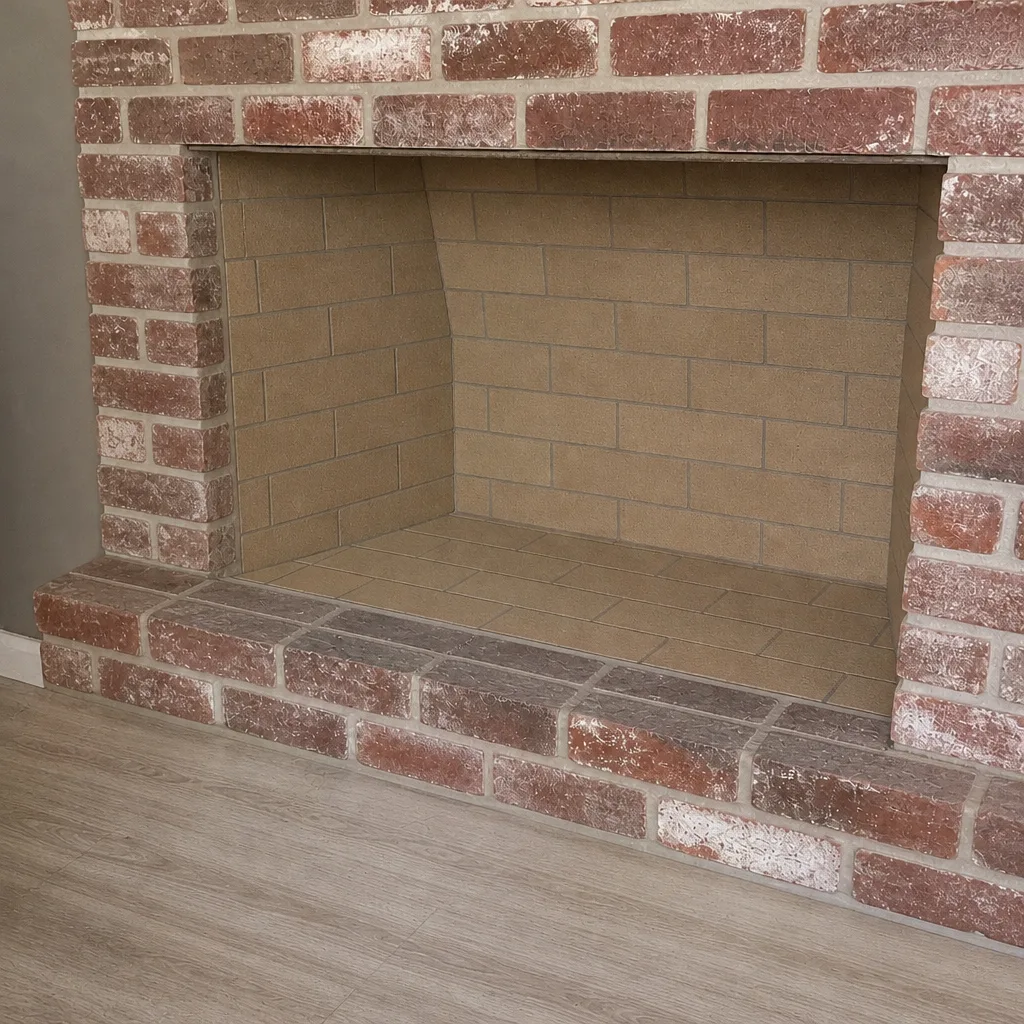
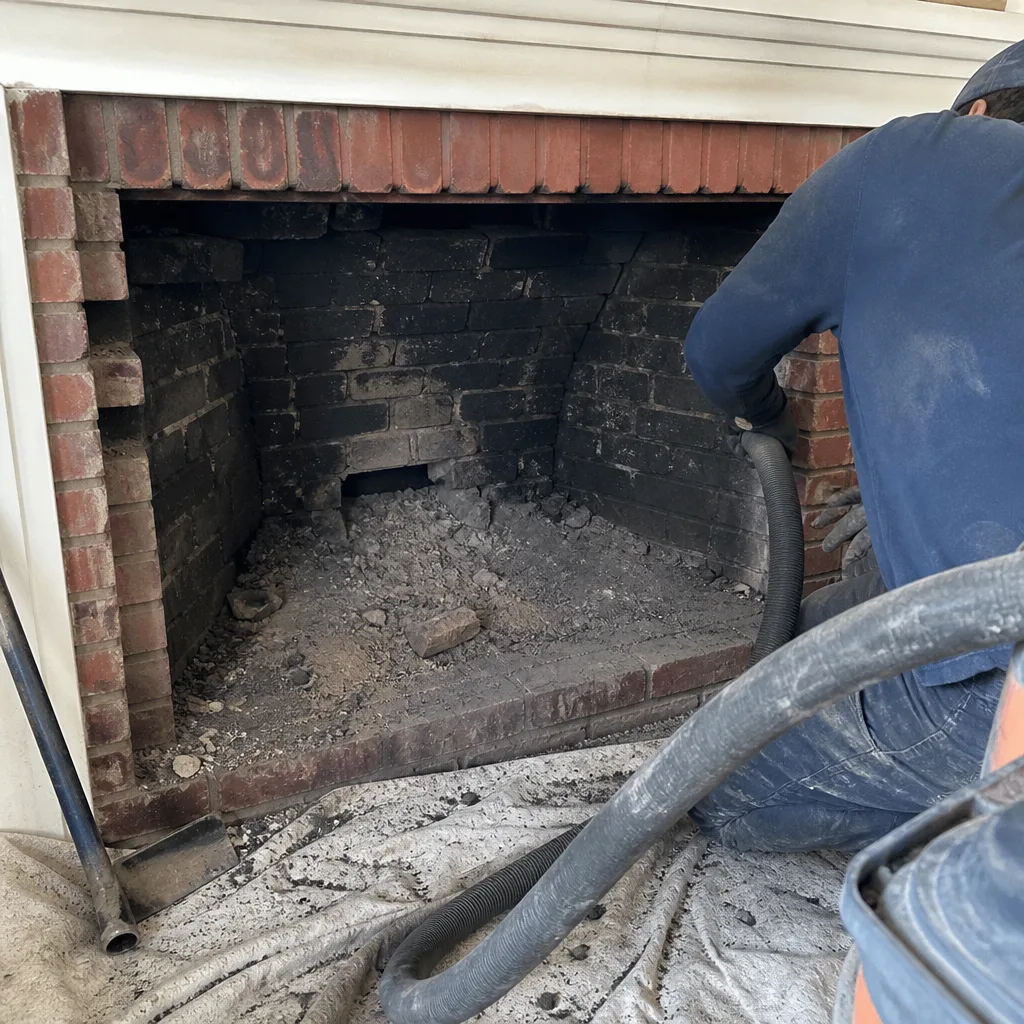
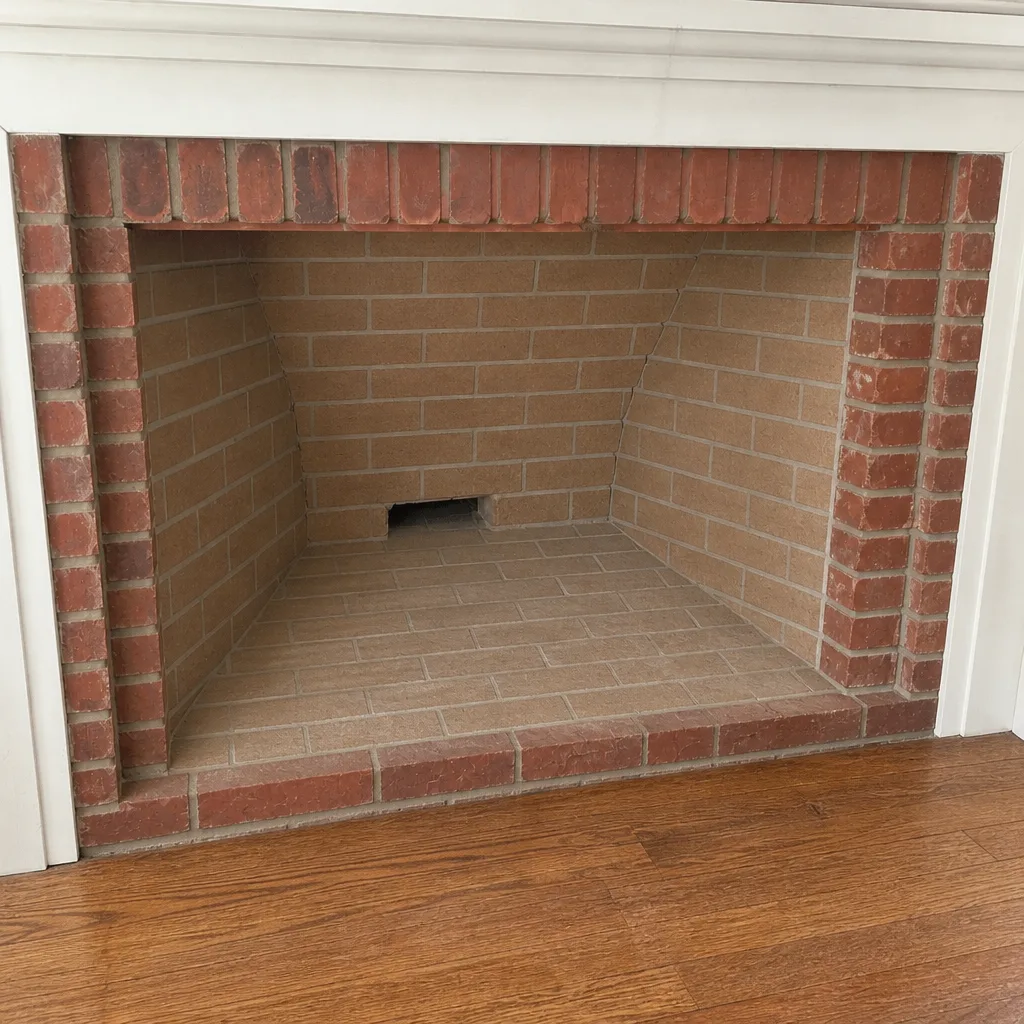
See the difference
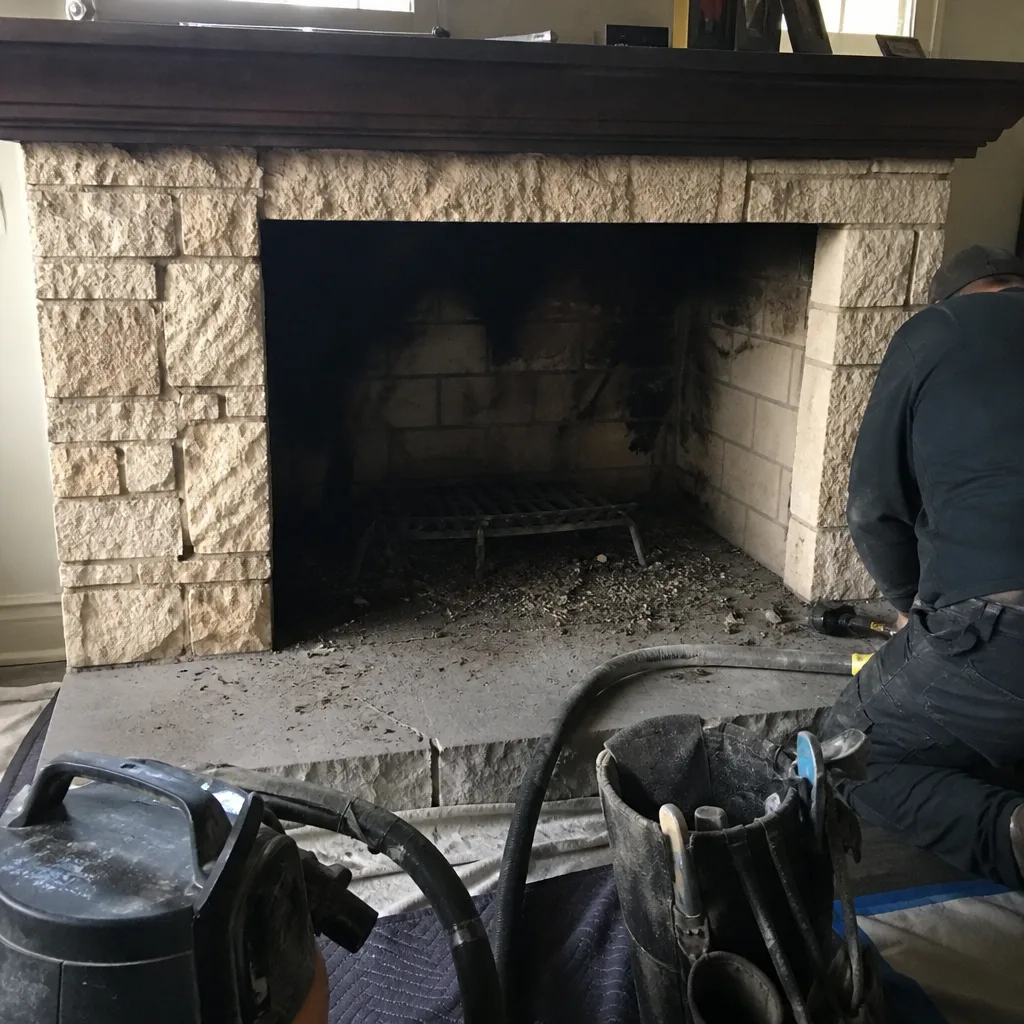 Before
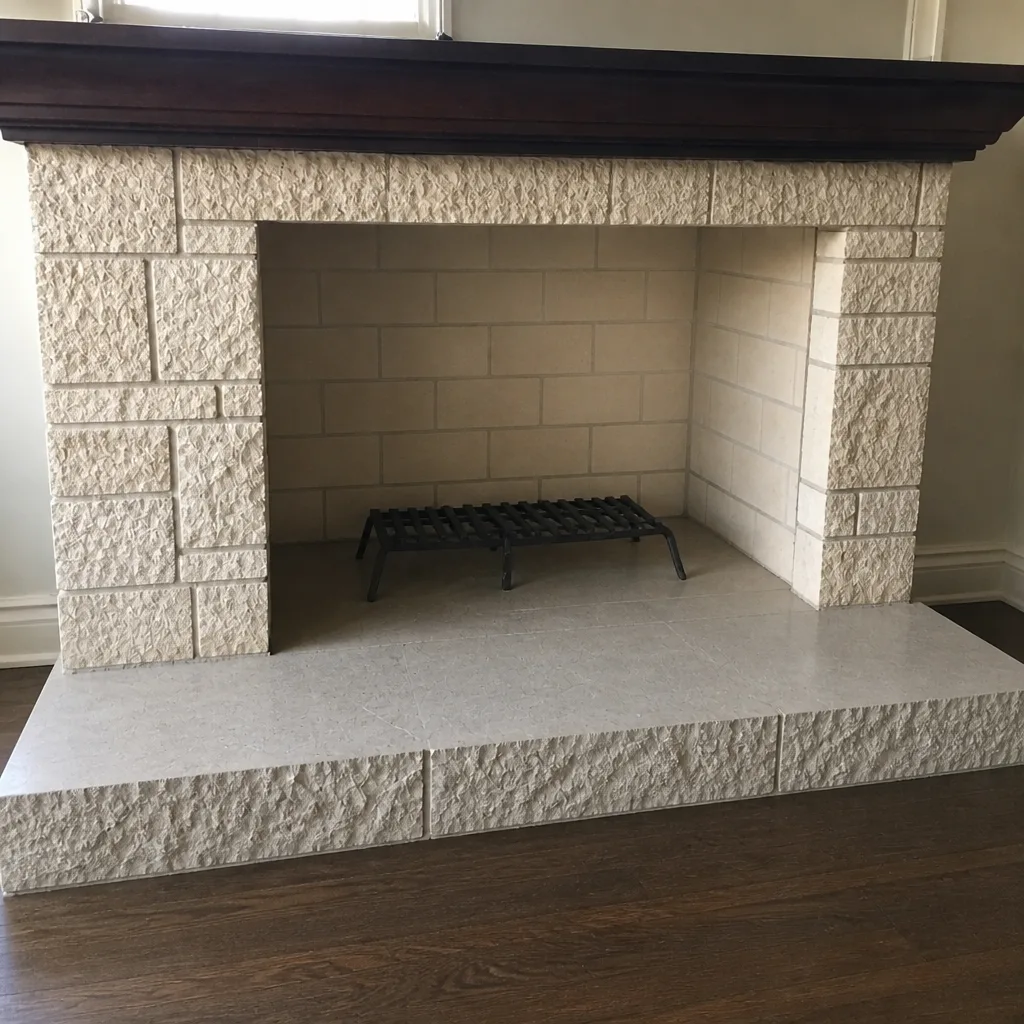 After
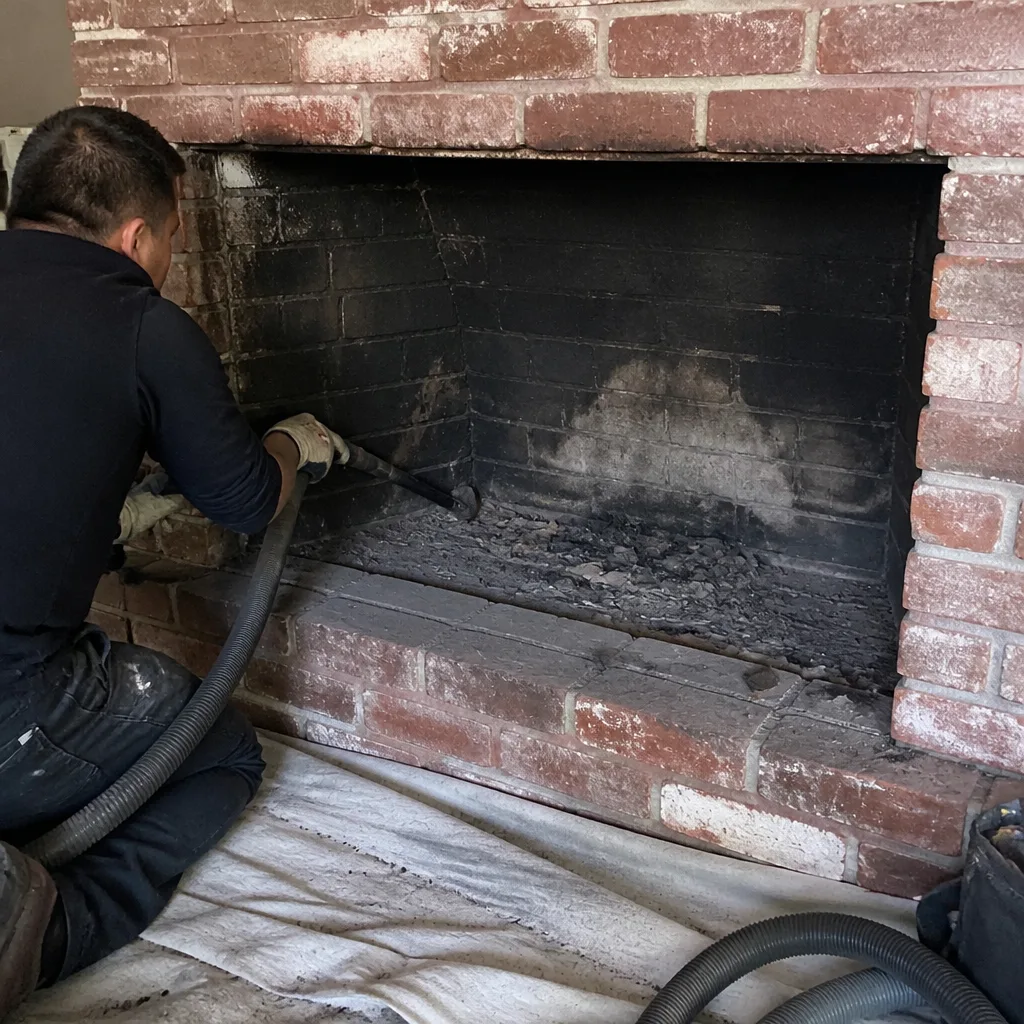 Before
 After
 Before
 After
Frequently Asked Questions
A standard sweep is priced per job, and the written estimate sets the final price, so we don’t quote a number until we’ve looked at the chimney. The estimate is free. What a professional sweep includes beyond cleaning is the camera inspection, photo report, and documentation. Call (855) 337-1702 for an exact quote. Estimates are free.
You can safely DIY only if you’ve burned less than one cord, have no prior damage history, and your clay tile liner is under 10 years old with a recent inspection. If any of those isn’t true, a professional sweep is the safer call. The reason is simple: roughly 60% of the value is diagnosis, not cleaning. A brush can’t see a cracked liner or tell you if you’re looking at glazed creosote that needs chemical treatment.
For most homes, once a year during the burning season is the honest recommendation, and the frequent-use rule of thumb is that a chimney needs sweeping when about a quarter inch of creosote has built up. Low-use homes still benefit from an annual inspection, because intermittent burning can concentrate acidic deposits. If you burn regularly, don’t go more than a year between sweeps. Call (855) 337-1702 for a free estimate.
Creosote keeps building, and at the glaze stage it becomes fuel that can ignite under the right heat. A neglected chimney also hides liner cracks that let heat reach framing, and it can let carbon monoxide and smoke back into the home. The risks compound quietly, which is exactly why the diagnosis matters. We answer 24/7 at (855) 337-1702, and estimates are free.
That depends on the policy and how the claim is handled, so we won’t guess. What we can say is that insurers commonly ask for a record of when the chimney was cleaned, who did it, and the liner condition at the time. A professional sweep leaves a photo report and documented condition; a DIY sweep leaves none. That record is often the difference in a disputed claim.
A professional sweep cleans the full flue, the smoke chamber, the firebox, and inspects the crown and cap, then produces a camera inspection and photo report. The trained eye that identifies glazed creosote, cracked tile, and smoke chamber damage is the part no brush kit includes. When repairs are needed, we handle the full chimney from the firebox to the crown, including fireplace repair and liner work with professional-grade materials like DuraFlex and HeatShield. Call (855) 337-1702. Estimates are free.
The Bottom Line
DIY chimney cleaning isn’t reckless; it’s incomplete. A brush removes the soot you can see and reach, but the diagnosis is where the real safety value lives. In Fountain Valley’s mild, low-use burning pattern, thin acidic condensates can hide behind a clean-looking firebox, and glazed creosote can be sitting in the smoke chamber a brush never touches. Stick to DIY only if you meet every condition in this guide. Otherwise, treat the sweep as the diagnostic appointment it really is, and get the documentary record that protects you if anything goes wrong.
Contact
Fountain Valley Chimney Sweep handles the full chimney, from the firebox to the crown, using professional-grade materials like Gelco, Olympia Chimney, and Famco rather than hardware-store substitutes. Whether you want an inspection, a sweep, or a second opinion on a repair recommendation, we’ll show you the camera evidence and tell you plainly when work can wait. Call (855) 337-1702. We answer 24/7, with fast dispatch from 7am to 7pm, Sunday through Friday. Estimates are free. You can also start at Fountain Valley Chimney Sweep to see the full scope of what we offer.
Written by the team at Fountain Valley Chimney Sweep.