
Last updated November 25, 2026
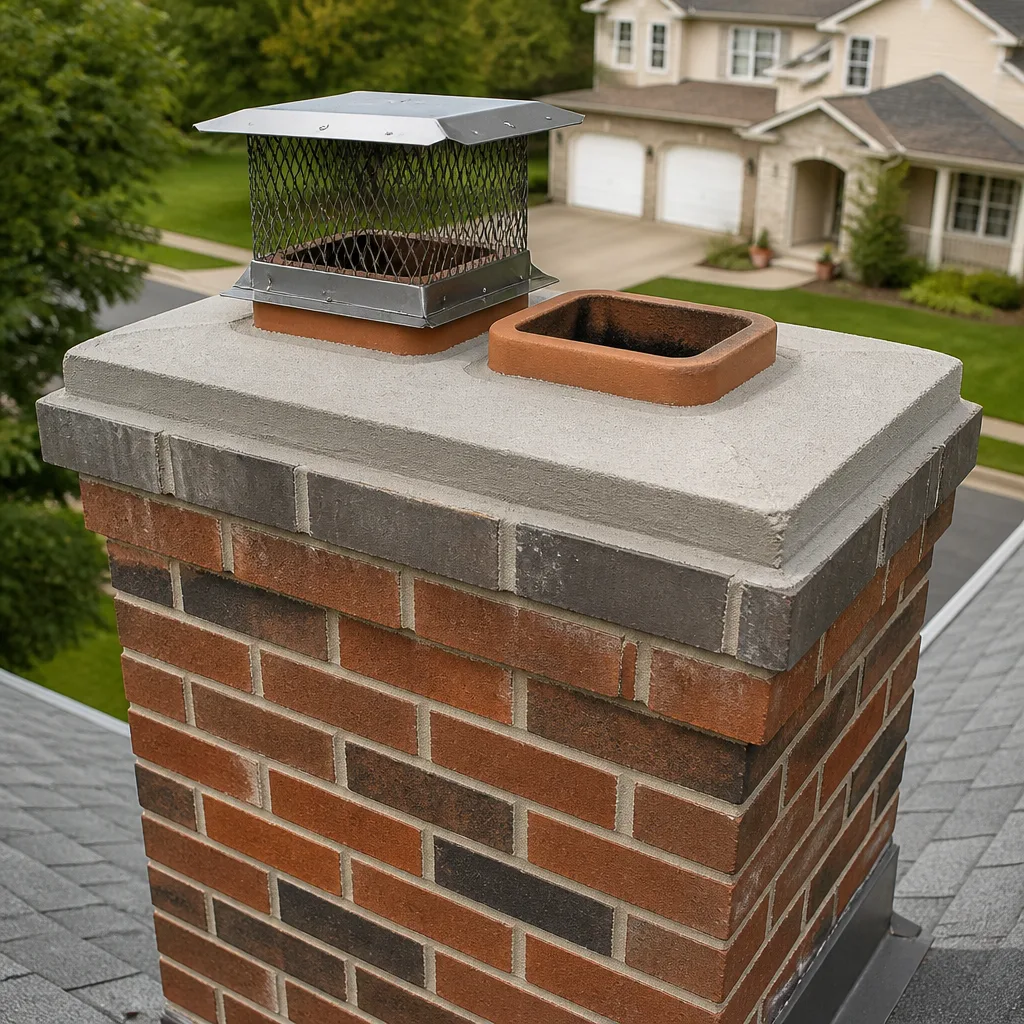 Sweep & inspection
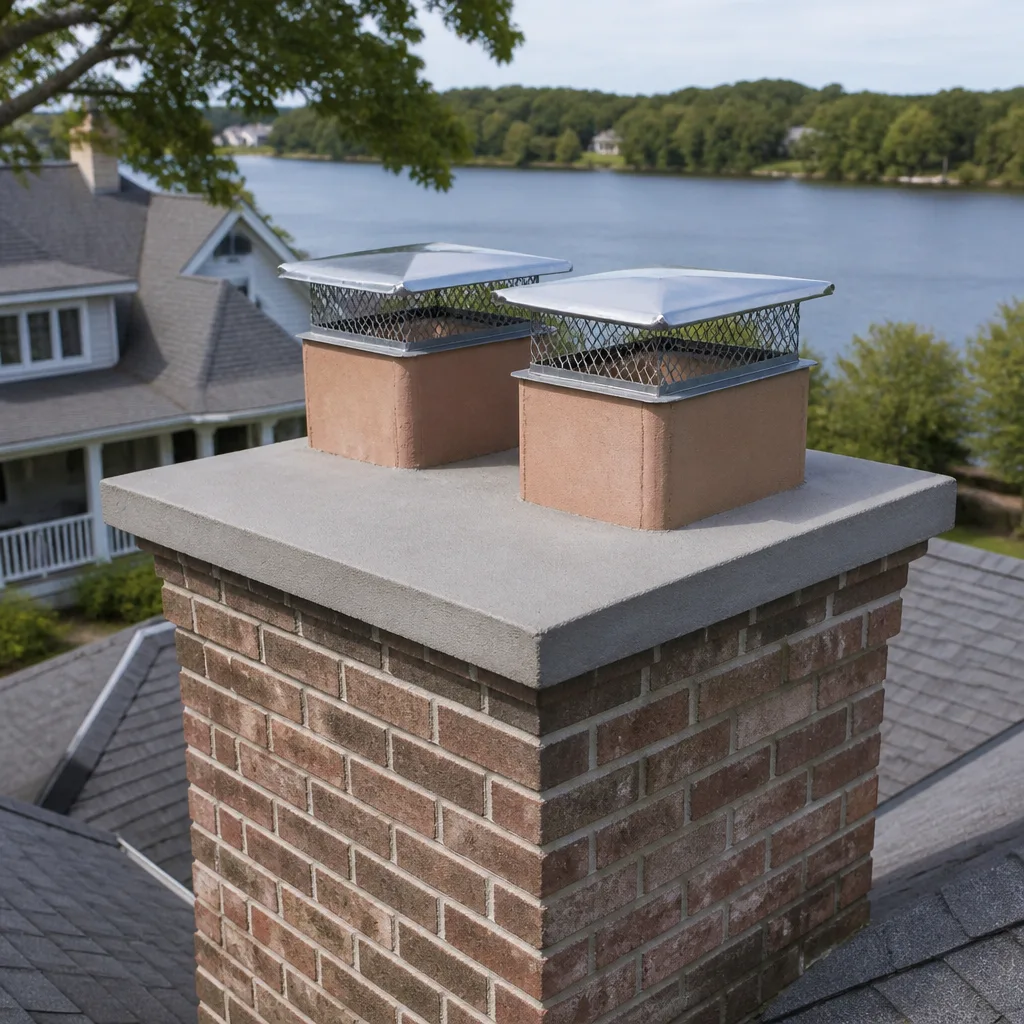 Caps & crowns
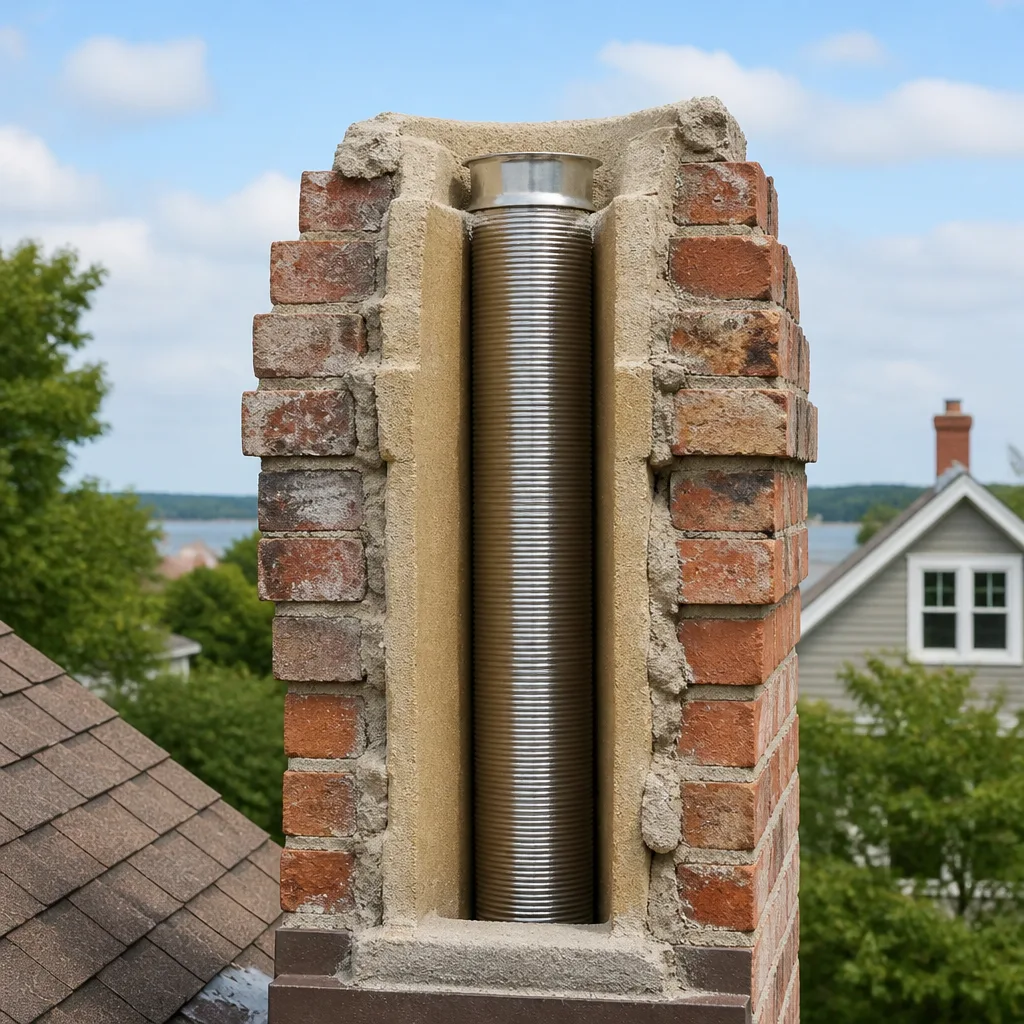 Flue relining
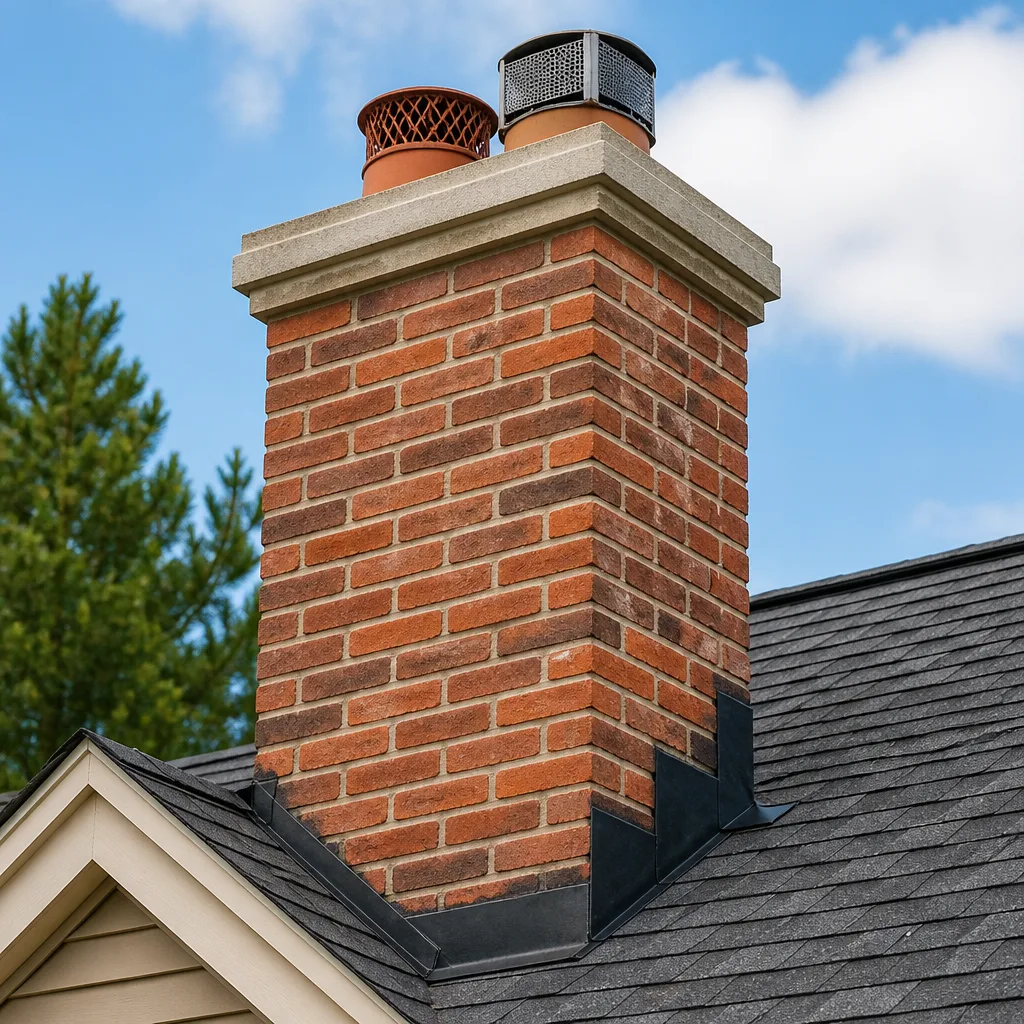 Masonry repair
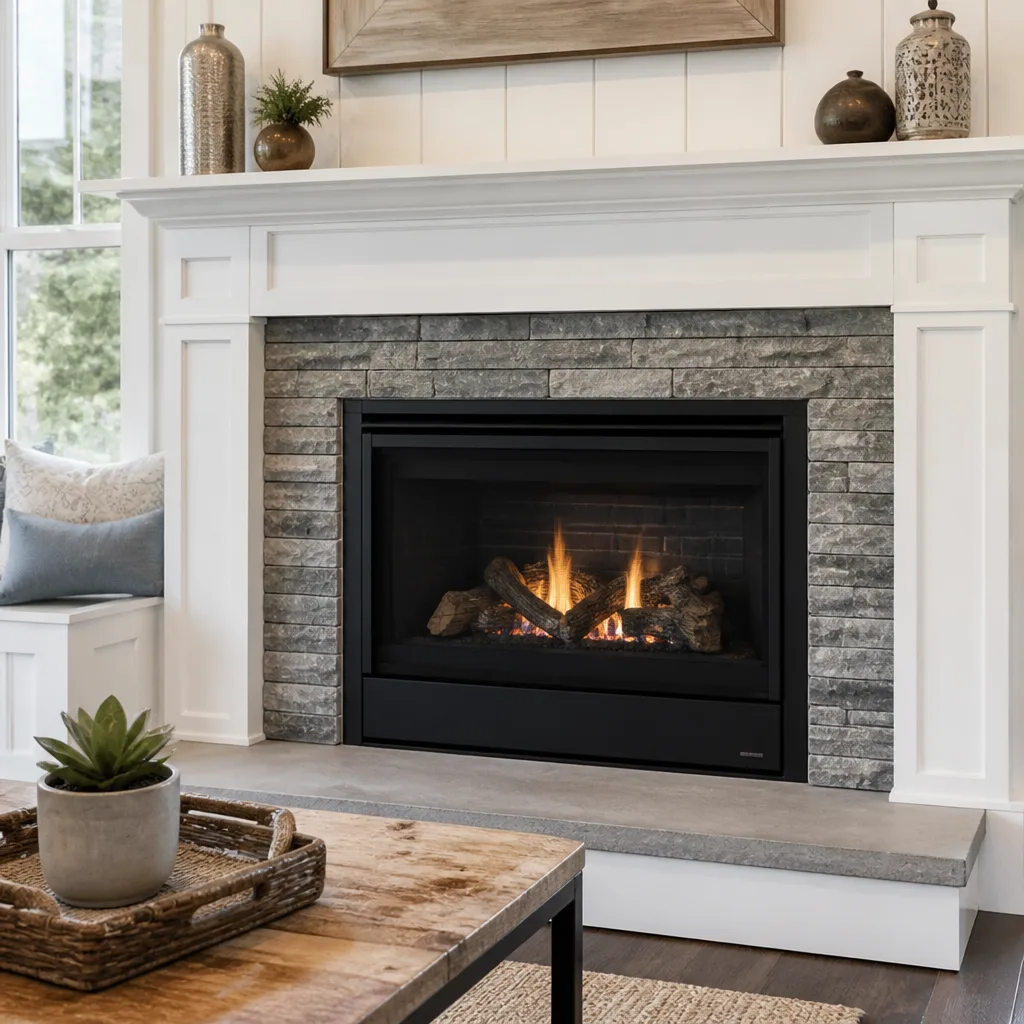 Gas fireplace service
Level 1 sweep and inspection to the NFPA 211 annual standard - flue, crown, cap, and flashing checked and photographed
Chimney sweep logs do not sweep chimneys. They loosen some creosote - which then falls where a brush and vacuum still have to collect it.
How to Hire a Chimney Cleaning Contractor in Fountain Valley: A Step-by-Step Guide
There’s no licensing requirement in California specifically for chimney sweeps. Which means anyone with a shop vac and a website can call themselves a chimney company, and plenty do. The result is a market where a real specialist and a generalist handyman can sit side by side in the same search results, quoting the same job, with nothing on the surface to tell them apart. The difference only shows up in what they can actually do once they’re on your roof: whether they can reline a flue, resurface a firebox, or install a cap that actually keeps water out. This guide walks you through the questions to ask, the credentials to verify, and the red flags that separate a full-scope chimney specialist from a pressure-washer with a brush kit.
Quick Answer
Hire a chimney contractor in Fountain Valley by verifying that they offer full-scope service (sweep, inspection, and repair under one roof), ask which liner and crown materials they stock and install, confirm their CSIA or NFI credentials directly, and demand a written estimate that itemizes inspection findings before any repair is recommended. If a contractor only cleans and refers out repairs, you’ve found a cleaner, not a chimney company.
Styles & brands we work with
- Sweep & inspection
- Caps & crowns
- Flue relining
- Masonry repair
- Gas fireplace service
Table of Contents
- Why Fountain Valley Homeowners Need a Vetting Framework
- The Five Questions That Separate Specialists from Generalists
- Why Cleaning-Only Contractors Are a Structural Risk
- How to Verify CSIA and NFI Credentials on the Spot
- What a Legitimate Estimate Should Itemize
- How to Read Reviews for Chimney Work
- What’s Different About Chimney Work in Fountain Valley
- A Step-by-Step Hiring Process
Why Fountain Valley Homeowners Need a Vetting Framework
Fountain Valley sits in a part of Southern California where fireplaces get used in ways the rest of the country doesn’t always understand. Winters are mild. Homes are older on average, particularly in neighborhoods like Talbert and the tracts near Mile Square Park. Many of these houses still have the original masonry fireplaces they were built with, and the chimneys on them may not have been touched in years. A homeowner in Fountain Valley who’s just bought a 1960s ranch house and wants to know whether the fireplace is safe to use has a completely different problem than a homeowner in a cold-climate state who burns wood all winter.
That mild climate is a mixed blessing. It means less creosote buildup on average than in a snowy climate, but it also means people skip maintenance because the chimney doesn’t feel like an urgent concern. Chimneys don’t announce their problems. A flue can have a cracked tile or a failing mortar joint for years before anything visible shows up inside the house.
There’s also the water question. Fountain Valley gets its rain in concentrated bursts, and a chimney with a cracked crown or a missing cap soaks up water during those storms. Masonry absorbs moisture, and repeated wetting and drying degrades brick and mortar over time. Most homeowners never think to ask about the crown or the cap because nobody told them those parts matter.
So the framework here isn’t about finding the cheapest sweep. It’s about finding someone who can look at the whole chimney system, tell you honestly what condition it’s in, and do the work if it needs doing. That’s a higher bar than it sounds. The good news is that a few specific questions will tell you quickly which kind of contractor you’re dealing with.
The Five Questions That Separate Specialists from Generalists
Ask these five questions before you book anyone. The answers, not the tone or the pitch, tell you what you need to know. A real specialist will answer them without hesitation. A generalist will either dodge or reveal the limits of what they can do.
- Which liner brands do you install? Not which services do you offer, which brands. If they can name DuraFlex, HeatShield, Olympia Chimney, Copperfield, Gelco, or Famco, you’re talking to someone who actually handles relining. If the answer is vague (“we use whatever’s code-compliant”), they’re probably subbing it out.
- Do you do your own inspections, and will I get a written report? An inspection is the diagnostic foundation of everything else. If they don’t inspect, they can’t diagnose, and they’ll either skip it or hand you off to someone else.
- Can you do crown and cap work? This is where a lot of “chimney companies” show their true scope. Caps and crowns are the first line of defense against water damage. A contractor who can’t install or replace them isn’t a full-service chimney company.
- Do you do HeatShield resurfacing? HeatShield is a proprietary restoration system for deteriorating flue interiors. Companies that offer it have masonry-level capability. Most sweep-only operations don’t touch it.
- Is the estimate written, and does it itemize? A flat number with no breakdown is a red flag. A legitimate estimate lists what was found, what it means, and what the options are.
You can ask all five in under two minutes. The answers will sort the field faster than any review, rating, or website ever could. If you want to skip the sorting entirely, you can call Fountain Valley Chimney Sweep and ask them yourself. We handle the full chimney, from the firebox to the crown, and we’re happy to tell you what we can and can’t do.
Why Cleaning-Only Contractors Are a Structural Risk
Here’s the part most hiring guides miss. A contractor who only cleans and refers out repairs isn’t just less convenient. They’re structurally unable to solve the problems they find, and that creates a specific kind of risk.
Picture the workflow. The sweep comes out, runs a brush up the flue, and looks inside. He notices a cracked flue tile or a mortar joint that’s failing. He tells you about it. Then he hands you a business card for a repair guy, or says “you’ll want to get that looked at.” Now you’re starting over. The repair guy comes out, looks at it fresh, and makes his own recommendation. Nobody who’s actually been inside your flue is the one deciding how to fix it.
What you lose is continuity of diagnosis. The person who saw the problem is not the person fixing it, and the person fixing it has no incentive to agree with the first person’s assessment. In the worst case, you end up paying for two inspections, getting two different opinions, and having no way to know which one is grounded in what’s actually inside your chimney.
A full-service company avoids this by keeping the diagnostic and the repair under one roof. The eyes that found the problem are the same eyes that recommend the fix, price the fix, and do the fix. If a flue needs a DuraFlex liner, the recommendation comes with the knowledge of what that liner install involves. If the firebox needs fireplace repair, the person quoting it has actually done that work before. And the recommendation is accountable to the same company that made it, which changes the incentive to be honest about what’s actually needed.
When you’re vetting contractors, ask directly: “If you find something wrong, who fixes it?” The answer tells you whether you’re dealing with a specialist or a dispatcher.
How to Verify CSIA and NFI Credentials on the Spot
Two credentials matter in this trade, and they’re not interchangeable. The Chimney Safety Institute of America (CSIA) certifies chimney sweeps. The National Fireplace Institute (NFI) certifies people who work on fireplace and venting systems. A contractor might hold one, the other, or both, and the combination tells you something about scope.
CSIA certification is about sweeping and inspection. A CSIA-certified sweep has passed a written exam and agreed to a code of ethics, and their certification is tied to continuing education. NFI certification is about installation and repair, specifically gas, wood, and pellet appliances and their venting. Someone with both can clean, inspect, and repair. Someone with only CSIA can clean and inspect but may not be equipped to install or repair the appliance side.
Here’s the part most homeowners get wrong: they don’t verify. Anyone can put a badge image on a website. The CSIA and NFI both maintain searchable directories of certified professionals, and you can look up a name or company on your phone while the contractor is standing in your living room. If someone can’t produce a certification number or point you to their listing, treat the credential as unverified. That’s not an accusation; it’s basic diligence. A real professional will expect the question and won’t be offended by it.
One caveat: many competent chimney companies operate without formal certification, particularly in markets where it’s not required. Fountain Valley doesn’t have a municipal chimney certification requirement, and California doesn’t license the trade. Certification is a useful signal, but it’s not the only one. What you’re really looking for is a company whose scope matches what your chimney actually needs.
What a Legitimate Estimate Should Itemize
A written estimate from a real chimney company has a specific shape. It’s not a single number on a business card. It reflects what the inspection found, explains what each finding means, and separates diagnosis from repair.
Here’s what a proper estimate usually includes:
- Inspection scope. What was checked: firebox, damper, smoke chamber, flue, crown, cap, exterior masonry. A real estimate names the components.
- Findings with location. Not “needs repair” but “cracked flue tile at the third joint” or “deteriorated mortar at the crown edge.” Specific findings are the evidence base for everything else.
- Photographic or camera evidence. If the inspection included a camera scope, the photos should be attached or available. You should be able to see what the inspector saw.
- Repair options with trade-offs. If there’s more than one way to fix a problem, a real estimate presents the options and explains the difference. A HeatShield resurfacing versus a full reline is a real choice with different costs and different lifespans.
- Line-item pricing by task. Sweep, inspection, and each repair task should have its own price. A bundled number hides what’s actually being done.
- The written estimate is the final price. Not “starting at.” Not “we’ll see once we’re in there.” The number on the estimate is the number you pay.
A flat-rate quote with no inspection component is a red flag. It tells you the contractor is either guessing at scope or hoping the job is simpler than it might be. Either way, you’re the one exposed if the reality underneath turns out to be worse.
We do flat-price sweeps agreed before booking, and we include camera inspection and a photo report so you can see exactly what we see. If we find something, we’ll tell you what it is and what it means, and we’ll tell you plainly when a repair can wait. Chimney repair is a real decision, and it should be based on evidence you can hold in your hand, not a recommendation you have to take on faith.
How to Read Reviews for Chimney Work
Reviews are useful, but only if you know what to look for. The total rating tells you very little. A five-star average on a company with a website and a shop vac can mean they charged $99 and left, not that they did chimney work. You want language that reveals the reviewer actually had chimney work done, and that the reviewer understood what was done.
Here’s what signals real experience in a review:
- Specific service names. “They relined our flue with a DuraFlex liner” tells you the reviewer saw the work. “Great job on the chimney” tells you nothing.
- Specific diagnosis. “They found a cracked crown and showed me photos” is a sign of a real inspection. “They told me I needed a lot of work” is a sign of a high-pressure sale.
- Material mentions. Reviews that name Copperfield caps, HeatShield resurfacing, or Omega liners (or other specific brands) come from customers who paid attention to what was installed.
- Honest “nothing needed” stories. A good chimney company will sometimes tell you the chimney is fine. Reviews that mention “they told me I didn’t need anything” are positive signals.
- Follow-up mentions. Reviews that mention the company came back for a warranty issue, or that the company stood behind the work months later, indicate a real business behind the service.
What to discount: reviews that only mention price, reviews that describe the technician as “nice” with no mention of what was done, and clusters of reviews posted on the same day. What to weigh heavily: reviews that describe a specific finding, a specific repair, and a specific outcome. Those are the reviews that tell you what kind of work the company actually does.
What’s Different About Chimney Work in Fountain Valley
Chimney work in Fountain Valley has some local characteristics worth knowing about as you hire.
Fountain Valley homes are older, on average, than most of Southern California. The neighborhoods around Mile Square Park include a lot of mid-century ranch homes with original masonry fireplaces. Many of them have been through several owners and multiple rounds of “updates,” some of which touched the firebox and some of which didn’t. A chimney that looks fine from the outside can have a firebox that was modified, a flue that was relined with a lower-grade material, or a damper that was removed. The only way to know is an inspection.
Mild winters mean lower creosote production than in cold climates, but they also mean people use their fireplaces less, which means they skip maintenance more. A chimney that hasn’t been swept in five years in Fountain Valley can have a surprising amount of buildup because the once-a-year-burner didn’t realize buildup happens with intermittent use too. Glazed, hard creosote forms when fires run cool or burn wet wood, and it’s the material that matters most for chimney fire risk.
The dry season here also affects the crown and cap. Long stretches without rain, then a burst, then dry again. That cycle is hard on masonry that’s already showing its age. A crown with a hairline crack can let water in during one storm and cause damage that’s invisible until the next wet season. Caps and crowns are the cheapest protection a Fountain Valley homeowner can put on a chimney, and most people never think to ask about them.
If you’re in a neighborhood like Talbert or the tracts near the Santa Ana River, you may also be in a home that had its original fireplace surround updated with a gas insert or a modern firebox. Those changes often require a different flue configuration than the original masonry chimney was designed for. A contractor who doesn’t install liners can’t verify that the venting matches the appliance.
A Step-by-Step Hiring Process
Here’s a sequence you can follow for any chimney contractor you’re considering. It works on the phone and it works in person, and it takes less time than reading three more reviews.
- Ask the five questions from earlier in this guide. Write the answers down. The reaction to the questions tells you as much as the answers.
- Verify credentials using the CSIA and NFI public directories. If the contractor claims a certification, look it up. If they don’t claim one, ask what scope they’re equipped for.
- Request a written estimate with line-item pricing and inspection findings. If they can’t provide one before you book, that’s the answer.
- Ask about the inspection specifically. What gets checked? Is there a camera scope? Will you get photos? A real chimney chimney sweep comes with a real inspection attached.
- Ask whether repairs are done in-house. Who fixes what the inspection finds? If they refer out, you’re looking at a two-contractor job.
- Confirm what happens if nothing needs repair. A company that can tell you the chimney is fine is a company you can trust when they tell you it isn’t.
- Compare at least two estimates if you can, but compare the scopes, not just the prices. A cheaper estimate with a narrower scope isn’t cheaper.
If that list feels like a lot, it’s because the market asks a lot of homeowners. The good news is that once you’ve asked the five questions and gotten real answers, you’re already past the hardest part of the decision.
Common Mistakes to Avoid
- Booking on price alone. The lowest quote for a sweep in Fountain Valley is sometimes the lowest because it’s only a sweep. When the inspection finds a problem, the work has to go somewhere else. Pay for scope, not just for the brush.
- Accepting a flat quote without an inspection. A flat rate with no inspection component means the contractor is guessing. A real estimate is built from findings, and the findings come first.
- Believing “you need a new liner” without evidence. Liner replacement is sometimes necessary, and it’s sometimes not. The only way to know is a camera inspection with photos you can see. If you’re being told you need a liner and you can’t see the inside of your own flue, ask for the report.
- Skipping the crown and cap. These are the water-protection parts of the chimney system, and they’re often the cheapest fix. A contractor who doesn’t mention them may not install them.
- Not verifying credentials. Certification directories take 30 seconds. If a contractor claims a certification and it’s not in the directory, ask why before you book.
- Hiring a general handyman for a chimney job. A handyman can patch a wall, but a chimney liner, crown, or firebox repair requires specialized materials and know-how. Generalists get tripped up by chimney work more than most trades.
- Waiting until the first cold snap. Chimney companies book up before the burn season starts. If you’re planning to use the fireplace this winter, get the sweep and inspection done in the off-season.
See the difference
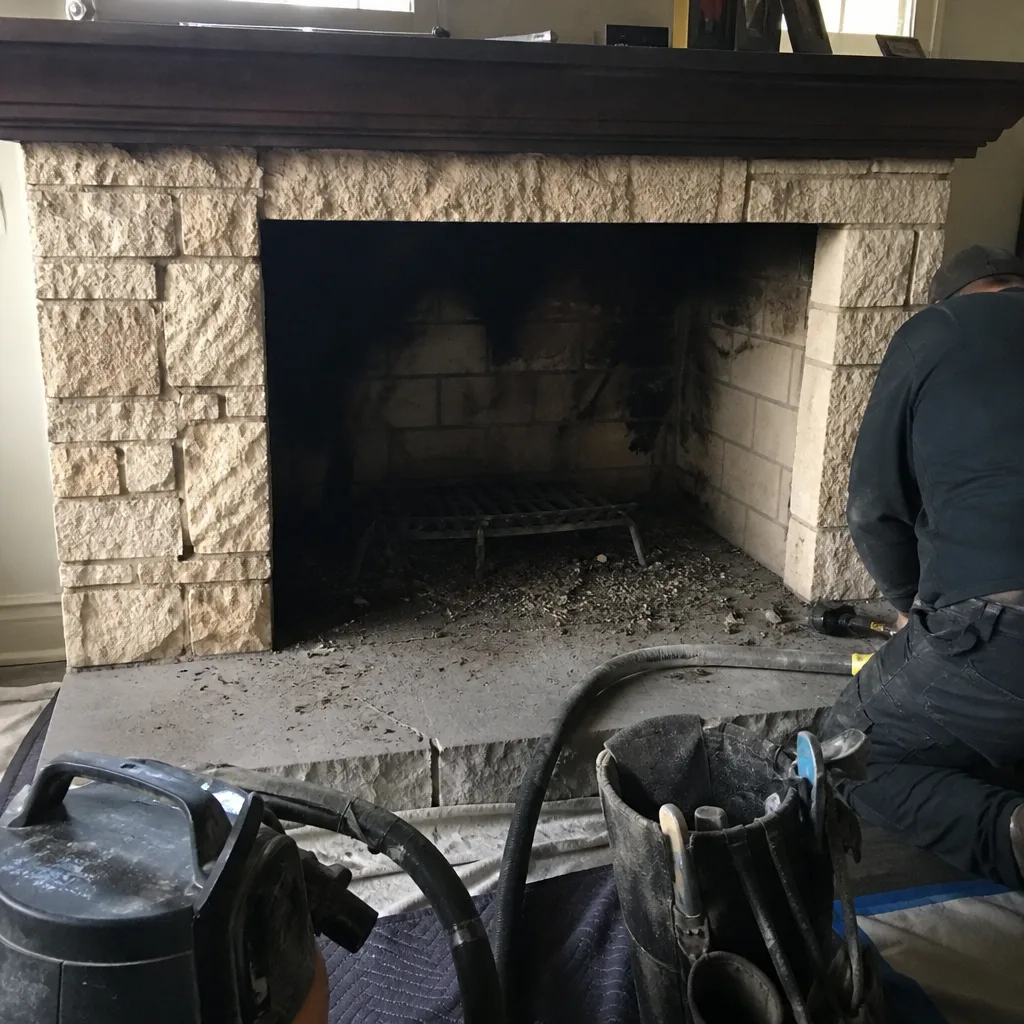 Before
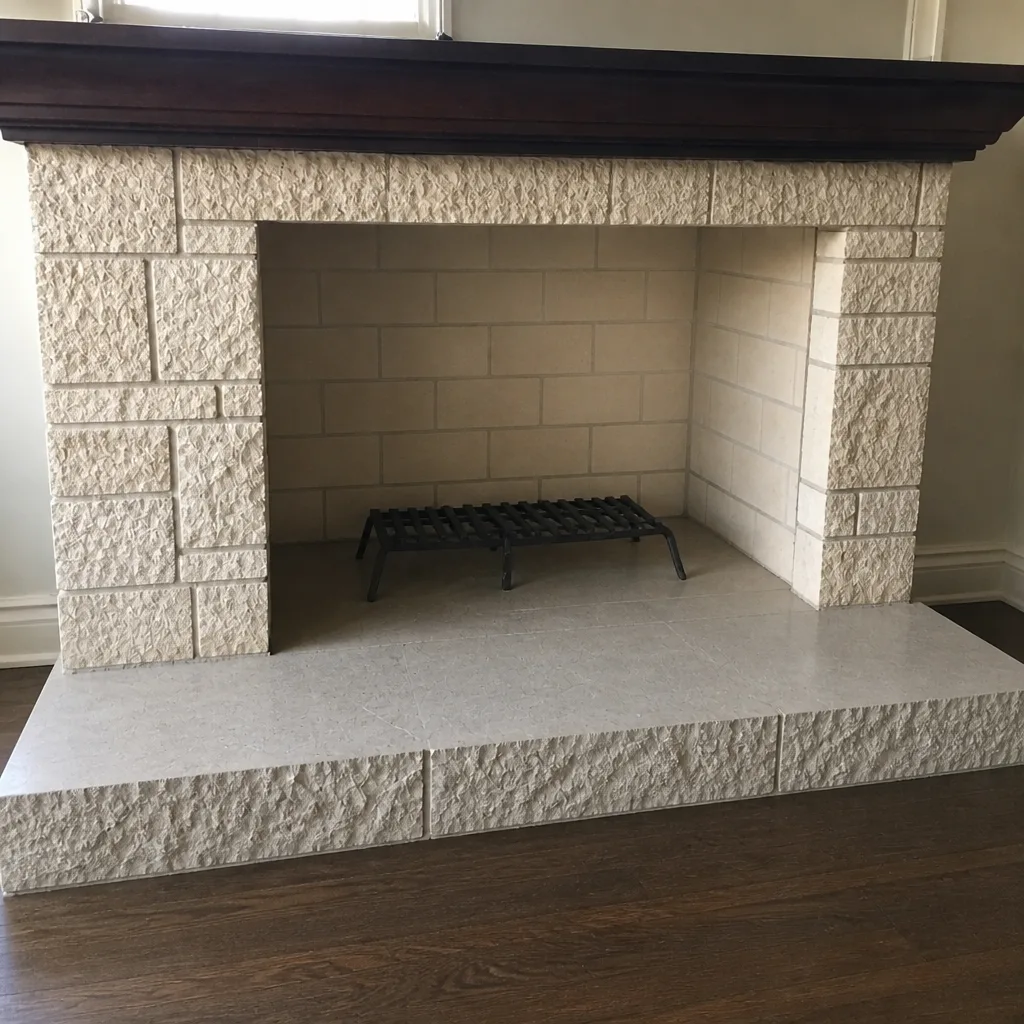 After
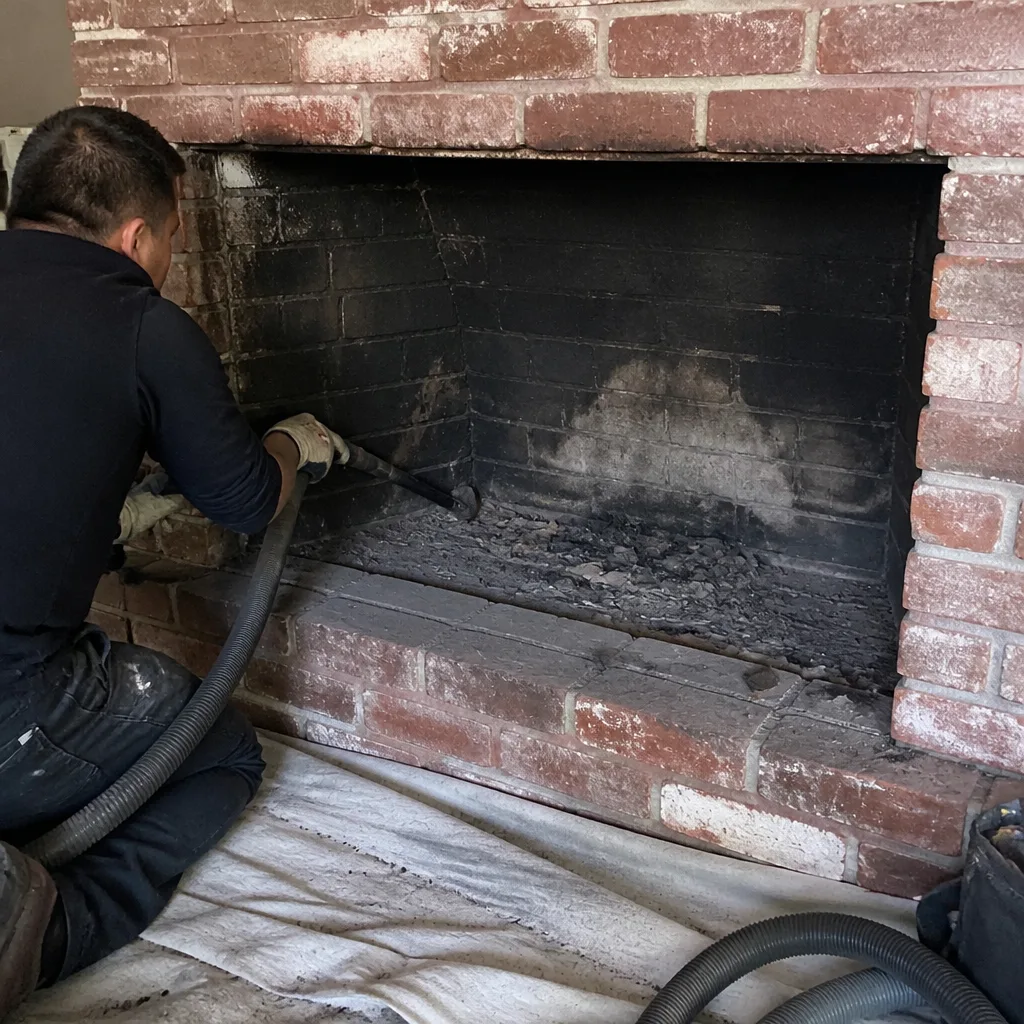 Before
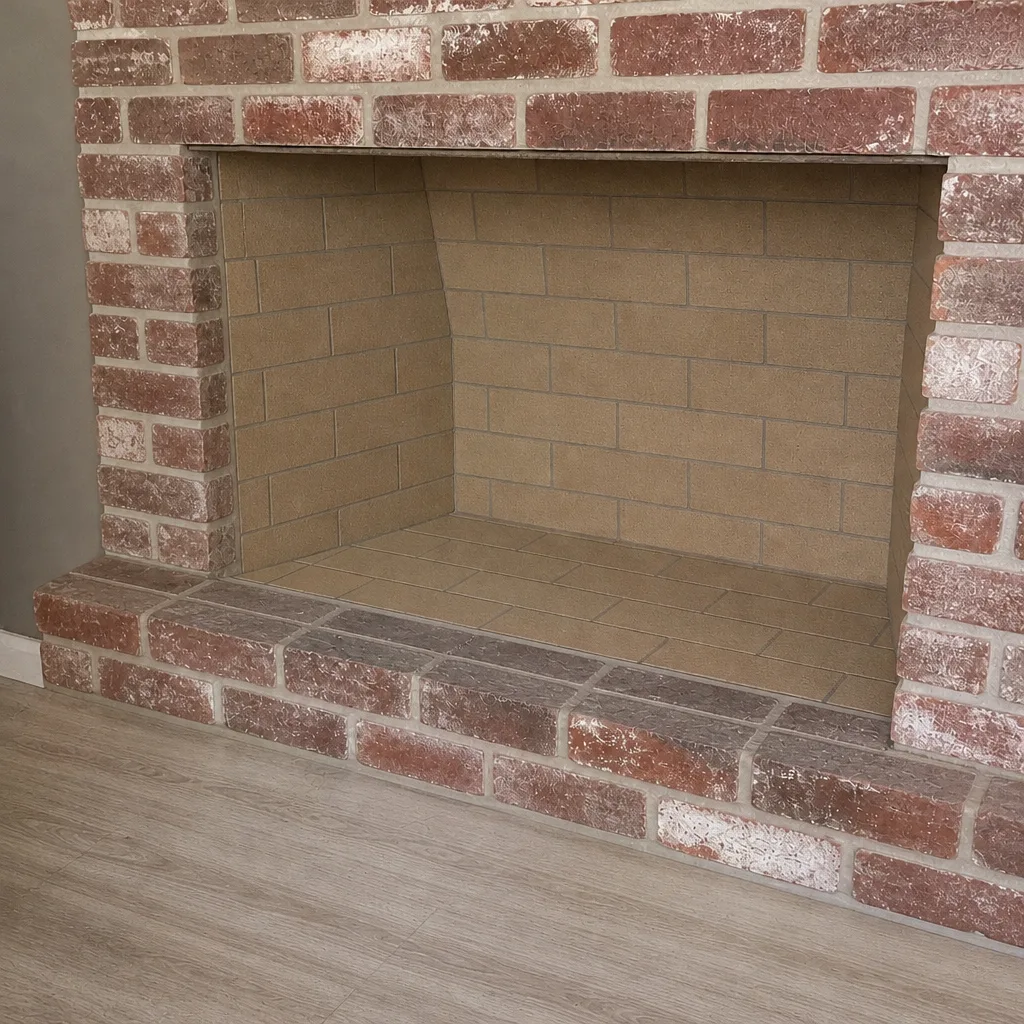 After
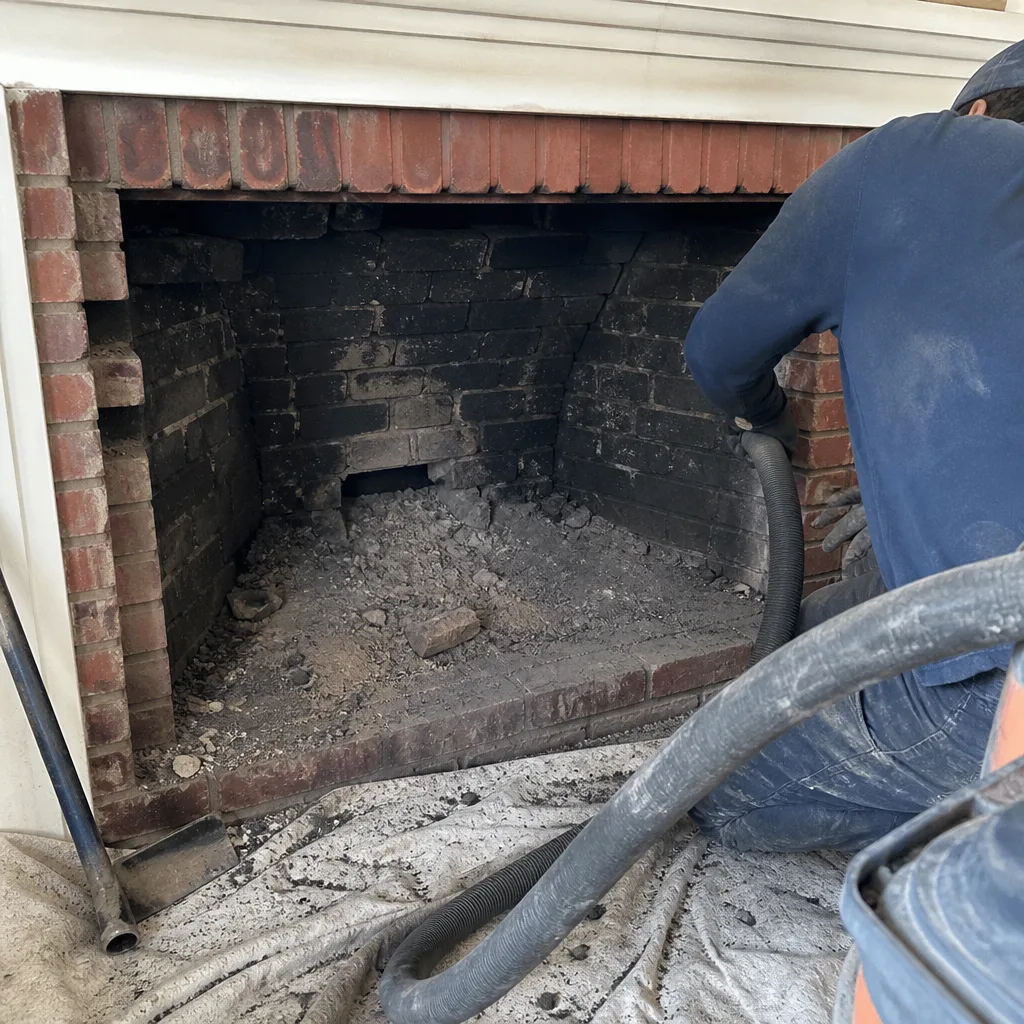 Before
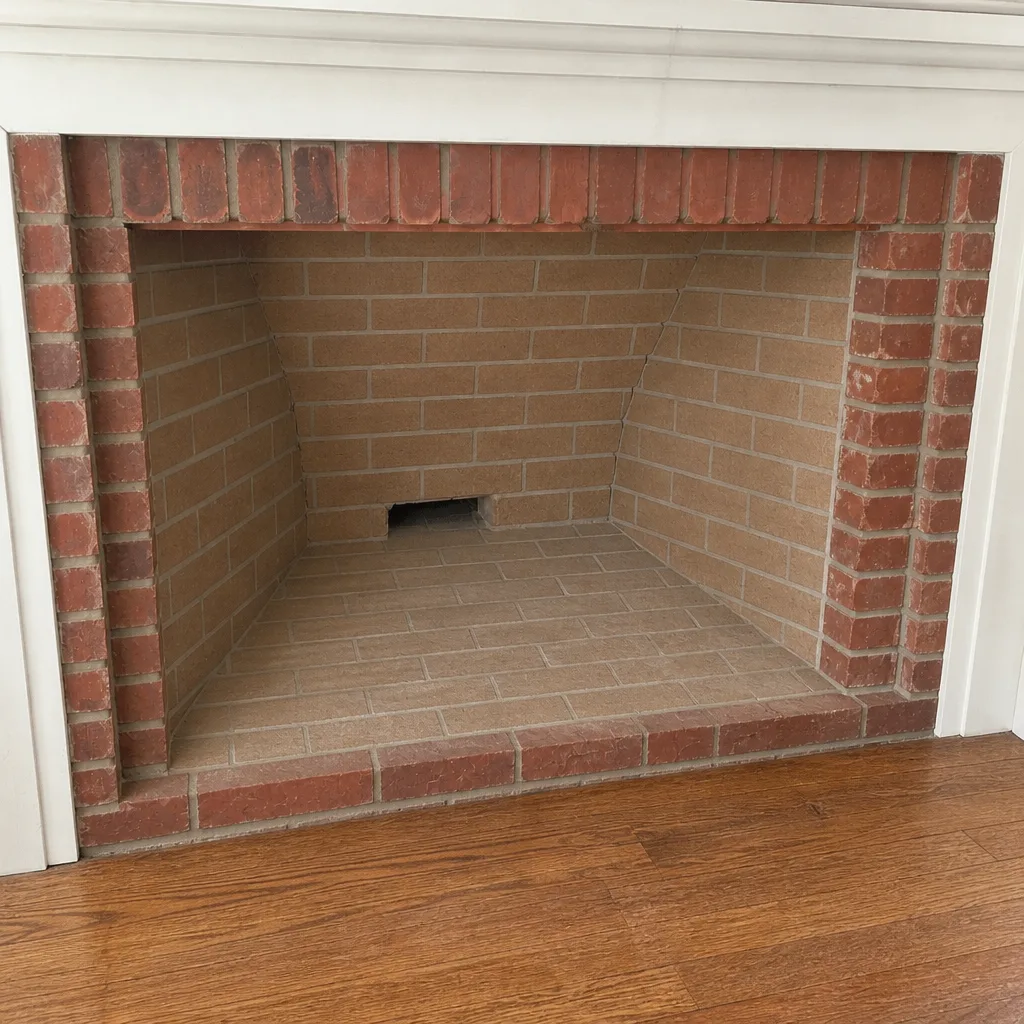 After
When to Call a Professional
Some chimney situations are clear-cut calls for a specialist. If your chimney hasn’t been inspected in more than a year and you’re using it regularly, it’s time. If you see crumbling mortar at the top of the chimney, water staining on the ceiling near the flue, or a cap that’s cracked or missing, it’s time. If smoke backs into the room when you light a fire, that’s a draft problem that can indicate a blocked flue or a change in the system’s configuration. If you smell a strong creosote odor even when the fireplace isn’t running, that’s a sign the buildup is significant. And if you’re buying a home in Fountain Valley and the inspection report mentions the fireplace, get your own inspection before you close.
Anything involving a flue liner, a firebox repair, or a chimney crown is not a homeowner DIY project. The interior of a chimney is hard to access, the materials are specialized, and the consequences of a poor repair are serious. Call a specialist, ask the five questions, and get a written estimate before any work starts. Fountain Valley Chimney Sweep offers free estimates in Fountain Valley. Call (855) 337-1702. We answer 24/7. Fast dispatch from 7am to 7pm, Sunday through Friday.
Frequently Asked Questions
A standard chimney sweep and inspection in Fountain Valley typically costs somewhere in the low hundreds of dollars, with the exact price set by the written estimate based on the chimney’s configuration and condition. The written estimate is the final price, agreed before booking. Call (855) 337-1702 for an exact quote. Estimates are free.
You need a new liner if the existing flue can’t safely vent the appliance that’s connected to it, and the only way to know that is a camera inspection with photos you can see for yourself. Many chimneys need resurfacing or a partial repair rather than a full reline, which is why HeatShield resurfacing exists as a less invasive option. Nothing should be recommended without camera evidence, and you should ask for that evidence before you agree to any liner work. Call (855) 337-1702 to talk through what your inspection found. Estimates are free.
A chimney should be swept and inspected once a year if it’s used regularly, and inspected at least once a year even if it’s used rarely. The inspection is what catches problems before they become expensive. In Fountain Valley’s mild climate, the risk is skipping maintenance because the fireplace doesn’t seem urgent, not because the chimney is actually fine. Call (855) 337-1702 to book a sweep and inspection. Estimates are free.
If you skip the annual sweep and inspection, creosote accumulates in the flue and mortar joints degrade unnoticed, and the risk of a chimney fire or a carbon monoxide problem goes up over time. The damage can also move from the chimney into the surrounding structure, which is a much bigger repair than the maintenance you skipped. Call (855) 337-1702 for an inspection. Estimates are free.
California doesn’t issue a chimney-specific license, so the credential to look for is CSIA certification for sweeping and inspection, and NFI certification for fireplace and venting work. These certifications are not interchangeable. Verify them through the CSIA and NFI public directories before booking. Call (855) 337-1702 to ask us about the credentials our technicians hold. Estimates are free.
A general handyman can sometimes run a brush up a flue, but they can’t perform a proper inspection, install a liner, resurface a firebox, or replace a crown, and those are the parts that actually protect your home. Chimney work is a specialty trade with its own materials and standards. Hire a full-service chimney company, not a generalist. Call (855) 337-1702 to ask what we handle. Estimates are free.
The Bottom Line
Hiring a chimney contractor in Fountain Valley comes down to scope and transparency. Ask which brands they install. Ask what the inspection covers. Ask who does the repair if something’s found. Verify credentials through the CSIA and NFI directories, and demand a written estimate with line-item pricing and camera evidence. A company that can answer these questions cleanly is the one you want. A company that dodges them is a cleaner, not a chimney specialist. Our technicians have up to 11 years of experience, and we handle sweep, inspection, cap and crown work, fireplace repair, and liner restoration under one roof, with professional-grade materials like DuraFlex, HeatShield, Gelco, and Copperfield rather than hardware-store substitutes. If you want to skip the vetting process, call Fountain Valley Chimney Sweep at (855) 337-1702 for a free estimate. We’ll tell you exactly what we find and exactly what it means.
Written by the team at Fountain Valley Chimney Sweep.