
Last updated November 25, 2026
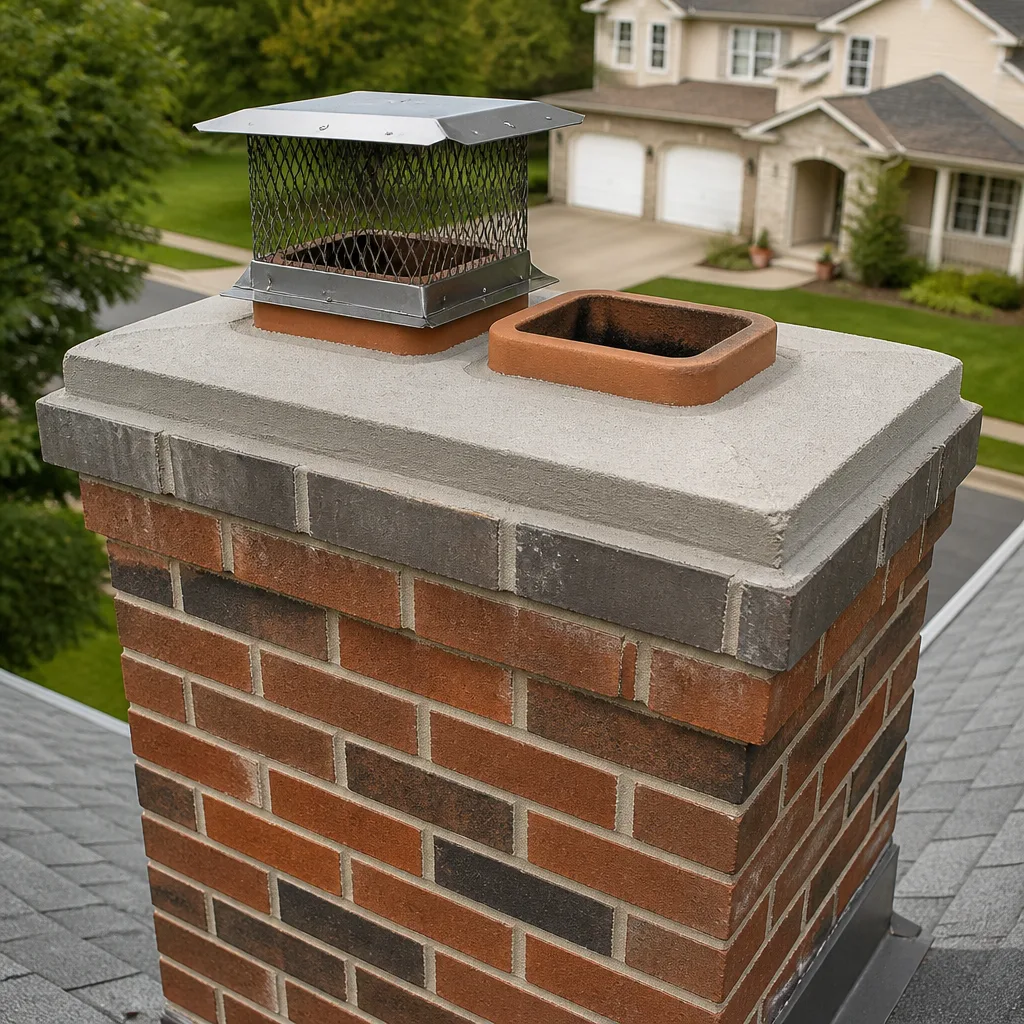 Sweep & inspection
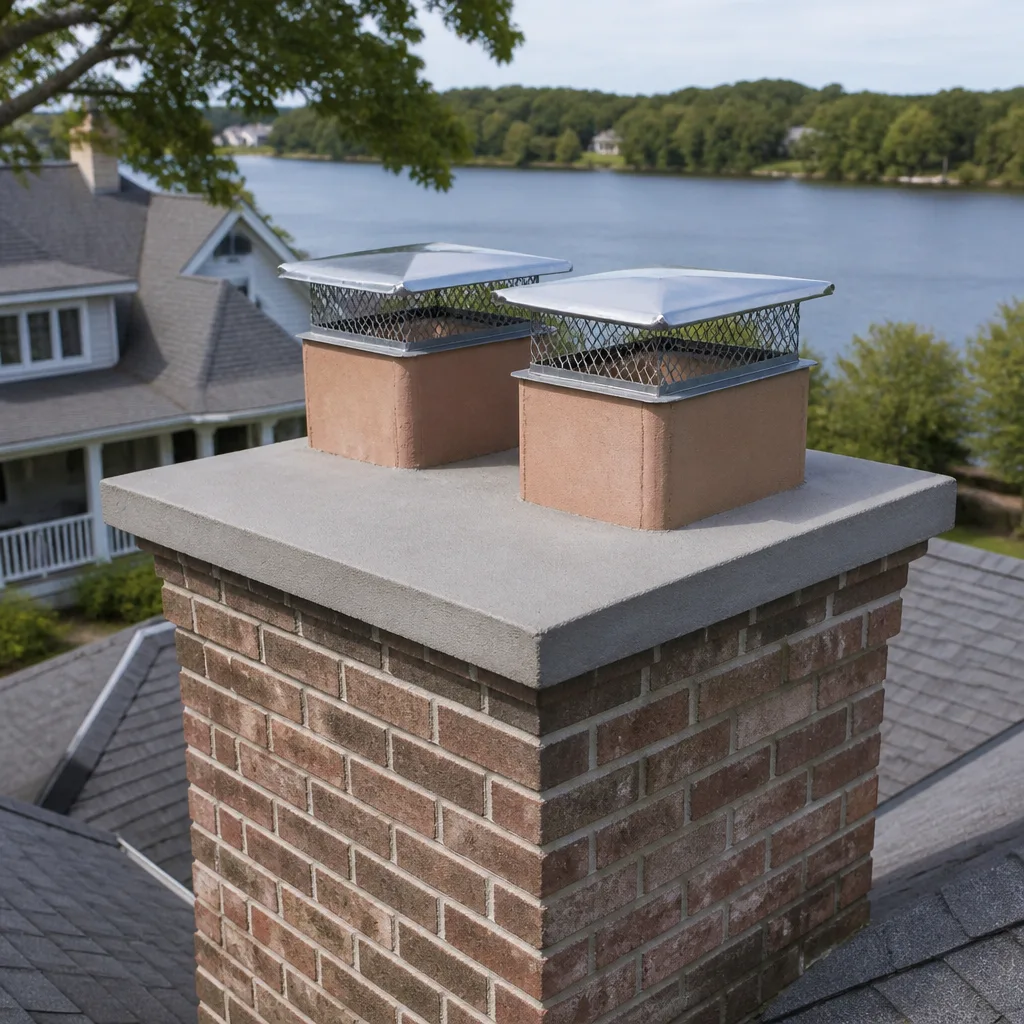 Caps & crowns
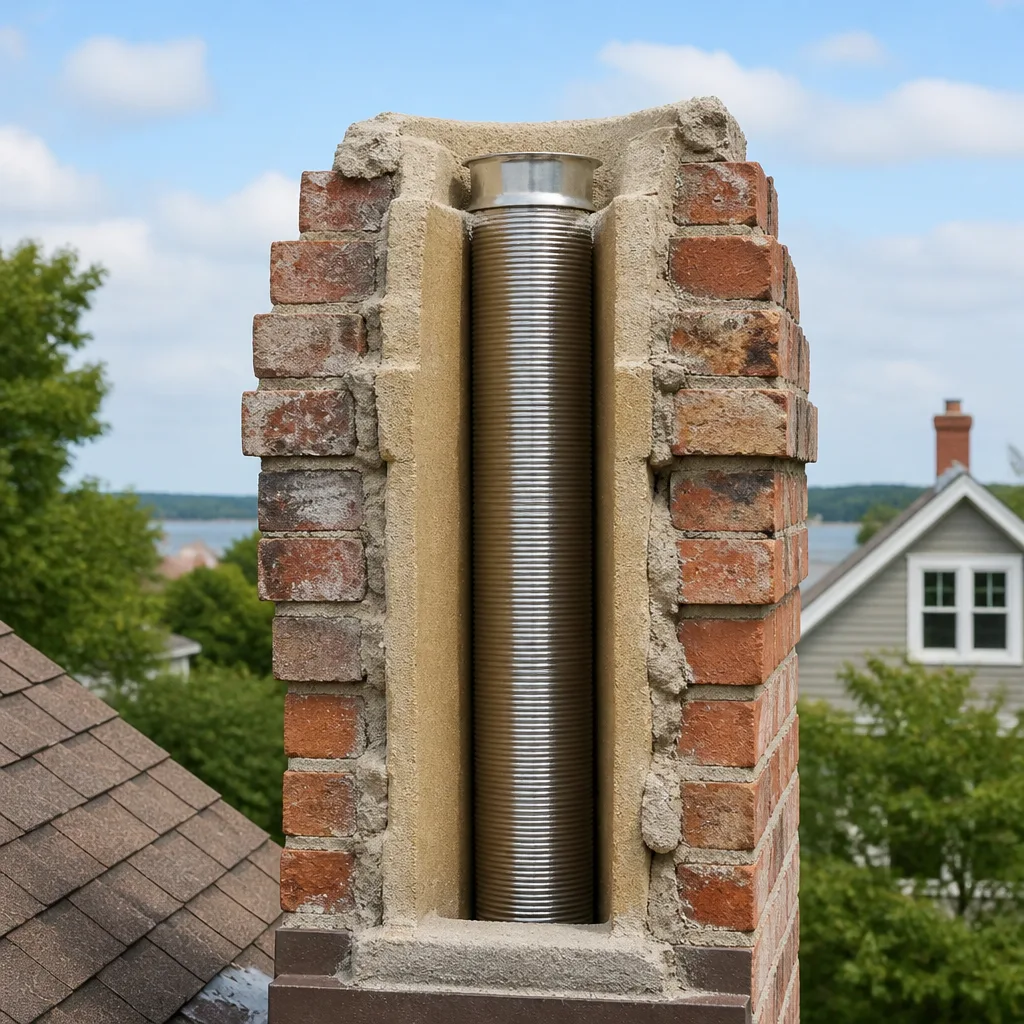 Flue relining
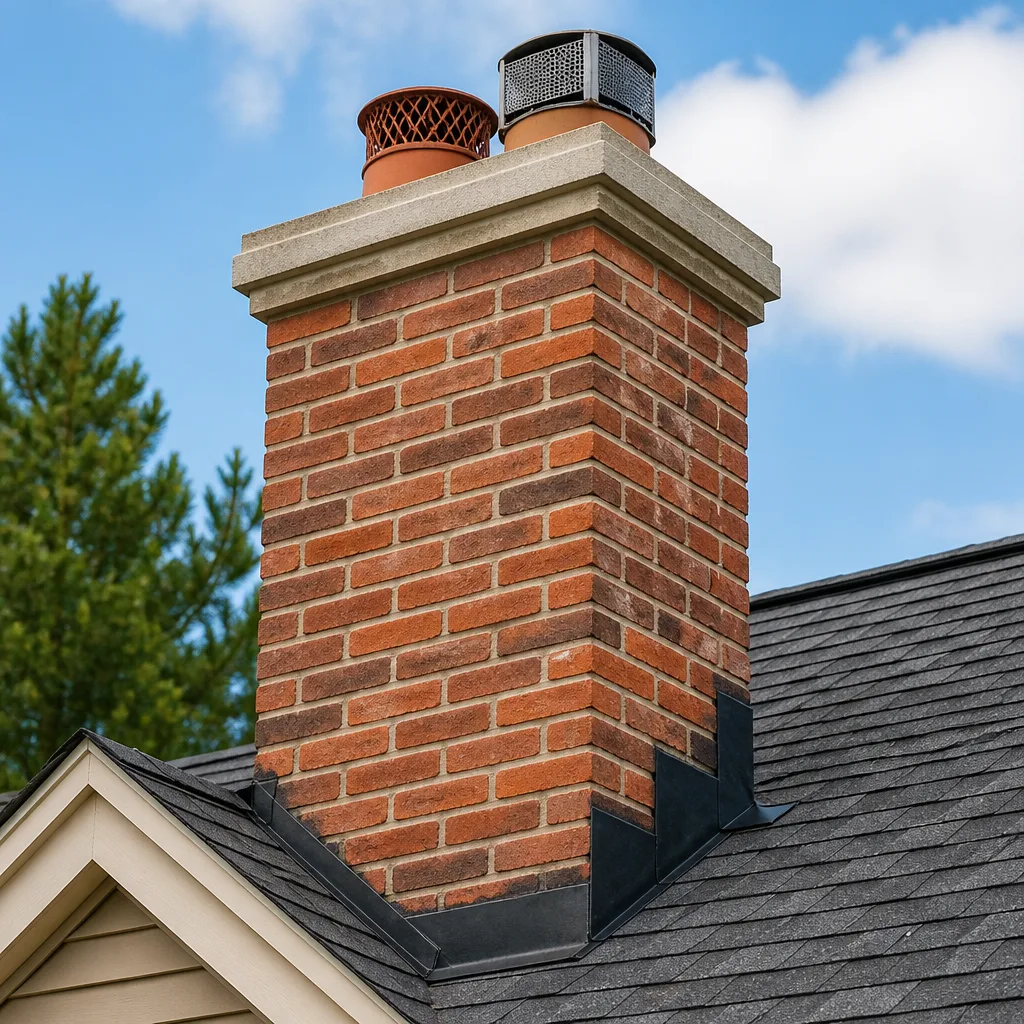 Masonry repair
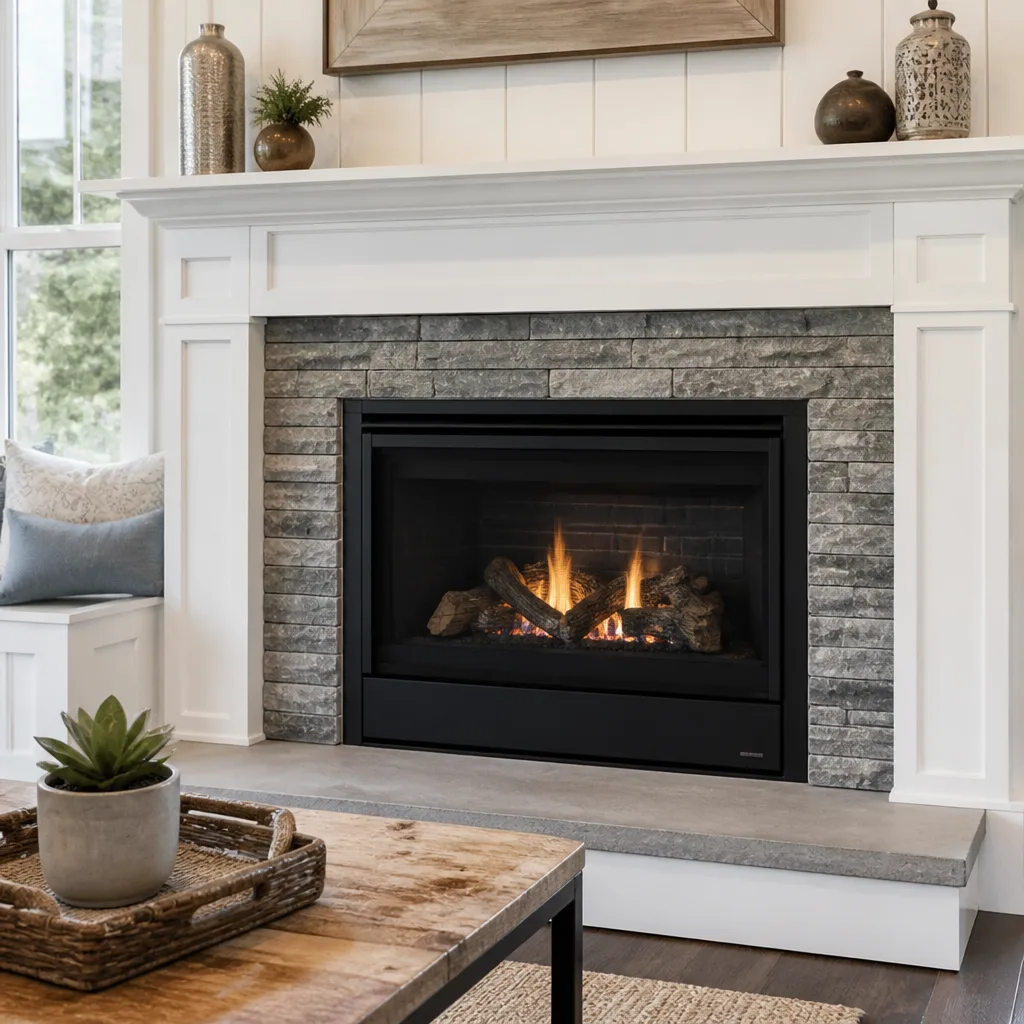 Gas fireplace service
Level 1 sweep and inspection to the NFPA 211 annual standard - flue, crown, cap, and flashing checked and photographed
Chimney sweep logs do not sweep chimneys. They loosen some creosote - which then falls where a brush and vacuum still have to collect it.
Chimney Cleaning Emergency Preparedness Guide for Fountain Valley Homes
Most homeowners think they’ll know a chimney fire when it happens. In our experience, they usually don’t. An active chimney fire can reach 2,000°F inside the flue, hot enough to crack a clay liner in seconds, and it often sounds like a low roar or a distant train that gets mistaken for wind. Knowing what that sound means is the difference between a contained incident and a structural fire. This guide builds an emergency framework around the failure modes we actually see in Fountain Valley chimneys, so you understand your risk before you’re standing in the living room trying to decide what to do.
Quick Answer
If you suspect a chimney fire, get everyone out, call 911, and don’t use water inside the firebox; close the glass doors and damper only if you can do it safely on your way out. After any suspected fire, the chimney needs a Level 2 inspection with a camera before you burn again, because a cracked or warped liner is invisible from the room. The fastest way to protect a Fountain Valley home is preparation before the season: a swept, inspected flue, working carbon monoxide detectors placed correctly, and a chimney company’s number saved in your phone.
Styles & brands we work with
- Sweep & inspection
- Caps & crowns
- Flue relining
- Masonry repair
- Gas fireplace service
Table of Contents
- How to Recognize an Active Chimney Fire
- What to Do in the First Five Minutes
- Carbon Monoxide and Your Fireplace: The Backdraft Problem
- After a Chimney Fire: Why a Level 2 Camera Inspection Isn’t Optional
- A Cracked Liner After an Emergency vs. After Routine Maintenance
- Pre-Season Emergency Prep Checklist
- Placing Carbon Monoxide Detectors Relative to Your Fireplace
- What Happens When You Call
How to Recognize an Active Chimney Fire
A chimney fire is a contained burn inside the flue, and it doesn’t always announce itself with flames shooting out the top. The classic signs split into three senses: sound, smell, and sight. Learning them now means you’ll recognize them in seconds rather than minutes.
Sound
The most common giveaway is a low, rumbling roar that builds and fades, often compared to a freight train passing in the distance or wind rushing through a tunnel. It’s a sound your fireplace doesn’t normally make, and it usually starts shortly after you’ve added wood or the fire has gotten hot. Popping and crackling that’s louder than your usual fire is another signal.
Smell
An active chimney fire produces a sharp, hot, almost metallic smell, sometimes described as burning tar. It’s different from the normal wood-smoke smell of a healthy fire. You may also notice smoke backing into the room instead of drafting up, which points to a draft problem or a partial blockage.
Sight
From inside, look for dense smoke or a glow at the top of the firebox, or flames visible up the flue. From outside, thick black or gray smoke, sparks, or flames coming from the chimney top are obvious signs. You may also see creosote flakes or pieces of liner on the roof or in the yard, which tell you the fire was hot enough to damage the flue.
One thing worth understanding: a slow-burning chimney fire can smolder for a while without dramatic signs. The roar and the visible smoke are the loud version. The quieter version is why we recommend an inspection each season rather than waiting for a warning. A clean chimney is the starting point; a safe chimney is the goal.
What to Do in the First Five Minutes
The order here matters, and it’s worth reading twice so it’s automatic if you ever need it.
- Get everyone out of the house. Move people and pets outside first. Don’t stop to gather belongings.
- Call 911. A chimney fire can spread into the framing of the house even when it looks contained. The fire department is the right call for any active fire, suspected or confirmed. Fountain Valley’s fire department responds to these calls routinely, and they can check the attic and roof for extension you can’t see from inside.
- If you can do it safely on your way out, close the glass fireplace doors and the damper to limit the air feeding the fire. Don’t reach into a hot firebox or struggle with a damper that won’t move; leave it and go.
- Don’t put water on a chimney fire from inside. Water on a 2,000°F flue can cause a steam explosion and crack the liner further.
- Once outside, stay outside until the fire department says the fire is out and the chimney is safe to approach.
After the fire department clears the scene, the next step isn’t “wait and see.” It’s an inspection, and we’ll explain why in the section below. Here in Fountain Valley, where many homes still burn regularly through the cooler months, a post-fire inspection is the single most important thing you can do to protect the structure.
Carbon Monoxide and Your Fireplace: The Backdraft Problem
Carbon monoxide is the colorless, odorless risk that comes with a fireplace that isn’t venting correctly. The mechanism is called backdraft, and it happens when the chimney’s draft is reversed or weakened so that combustion gases flow into the room instead of up and out. Most homeowners have never heard of it, which is why we spend time on it here.
Several conditions cause backdraft:
- A blocked or partially blocked flue from creosote buildup, a nest, or debris. This is the most common cause we find in Fountain Valley.
- A cold chimney that hasn’t warmed enough to establish upward draft, especially on a mild morning when the house is warmer than the flue.
- Negative pressure in the house from a kitchen exhaust fan, a dryer, or a bath fan pulling air out faster than the house can replace it.
- A cracked or disconnected liner that lets gases escape into the wall cavity or attic rather than out the top.
Backdraft CO intrusion is sneaky because there’s no visible sign. You might feel sleepy, get a headache, or notice a stale smell near the fireplace. If anyone in the house has those symptoms while a fire is burning, put the fire out, open windows, get everyone outside, and call your gas utility or 911. Then call us to inspect. We’ll tell you exactly what we find and exactly what it means, with camera evidence you can see for yourself. Nothing gets recommended without it.
After a Chimney Fire: Why a Level 2 Camera Inspection Isn’t Optional
Once the fire is out and the fire department has cleared the house, the urgent question is: what did the fire do to the chimney? A 2,000°F flue can crack clay tiles, warp a metal liner, or damage the mortar joints between tiles, and none of that is visible from the firebox. That’s why a Level 2 inspection with a camera is the standard step after any suspected chimney fire.
A Level 2 inspection means a camera travels the full length of the flue, and the technician reviews the footage with you. You see the cracks, the gaps, the creosote glazing, or the damaged liner joint for yourself. There’s no guessing and no “trust me.”
If we find damage, the repair options range from resurfacing the flue interior with a HeatShield system, which restores a deteriorating flue without tearing out the masonry, to installing a new flexible liner such as DuraFlex for a fully code-compliant vent. The right choice depends on what the camera shows and on the appliance you’re venting. We handle the full chimney, from the firebox to the crown, so there’s no hand-off to a subcontractor for the part that matters.
In our experience, the difference between a homeowner who catches fire damage early and one who doesn’t comes down to this: the early one had the inspection done right away, and the other kept burning for another season.
A Cracked Liner After an Emergency vs. After Routine Maintenance
Here’s where the same physical defect gets handled very differently depending on how it was found. A crack in a flue liner discovered during a routine sweep and a crack discovered after a chimney fire may look identical on camera, but the timeline, the scope, and the urgency are not the same.
- Found during routine maintenance: You have time to plan. We’ll show you the footage, explain what the crack means for the appliance you’re venting, and lay out options including resurfacing with HeatShield or relining with DuraFlex. You can schedule the work on a timeline that fits, and you don’t burn until it’s repaired. The point is you choose when.
- Found after an emergency: The liner has already failed in service, which means gases may have been escaping into the structure. The repair is urgent, not because we say so, but because the chimney is no longer venting safely. We treat post-fire liner damage with a faster turnaround and a wider inspection scope, since fire heat can damage the crown, the cap, and the surrounding masonry too, not just the flue. You may also see an insurance claim involved, and we can work with your insurer on the documentation.
The practical takeaway: a crack found early is a repair; a crack found after a fire is a recovery. Getting a chimney inspected each season is how you keep it in the first category. Our chimney sweep visits always include a look at the flue, and any defect we find gets camera evidence you can review.
Pre-Season Emergency Prep Checklist
Emergency prep for a chimney isn’t complicated, but it does need to happen before the first fire of the season, not during the first smoke event. Here’s what we recommend for every Fountain Valley home.
- Save your chimney company’s direct line. Keep (855) 337-1702 in your phone and on the fridge. In an emergency you don’t want to be searching.
- Know your damper’s location and operation. Find it now, open and close it a few times, and make sure it moves freely. If it’s stuck, get it looked at before you burn.
- Confirm your carbon monoxide detector battery status. Test every unit in the house. Replace batteries on a schedule you’ll actually remember.
- Book a sweep and inspection before the season. A clean, inspected flue is the single best emergency prevention step. Book it early, before the cooler months fill up.
- Check your cap and crown. A missing or damaged cap lets water and wildlife in, which leads to blockages and draft problems. Gelco and Famco caps and crowns are the parts we install most, and a quick visual check from the ground is a good starting point.
- Keep a fire extinguisher rated for chimney fires near the hearth, and know how to use it.
Preparedness is a habit, not a purchase. The homes that weather a chimney emergency best are the ones where the homeowner already knew where the damper was and had a number to call.
Placing Carbon Monoxide Detectors Relative to Your Fireplace
Carbon monoxide is slightly lighter than air, so detector placement matters. Homes with a fireplace have a specific set of considerations.
- Put a detector on every level of the home, including the level with the fireplace and any sleeping area outside the bedrooms.
- Place a detector in the same room as the fireplace, ideally high on a wall or on the ceiling, since CO rises. This catches a backdraft event where it starts.
- Keep detectors at least 15 feet from fuel-burning appliances so normal trace amounts don’t cause nuisance alarms, but don’t put the only detector on the far side of the house.
- Test monthly and replace the units according to the manufacturer’s schedule.
If a detector alarms and you’ve been burning a fire, treat it as real. Put the fire out, ventilate, get everyone outside, and call for help. Then call us for an inspection, because the detector did its job and now the chimney needs to be checked for the cause. We answer 24/7. Fast dispatch from 7am to 7pm.
What Happens When You Call
When you call (855) 337-1702, you’ll reach our team, and we’ll ask a few questions to understand whether you’re dealing with an active emergency or a post-emergency inspection. If it’s an active fire or you smell gas, call 911 first. If the fire is out and you need the chimney inspected, we’ll book a visit.
We answer 24/7. Fast dispatch from 7am to 7pm, Sunday through Friday. A call outside dispatch hours is booked into the next opening, Sunday through Friday, 7am to 7pm. Every visit starts with a camera inspection and includes a photo report, so you see exactly what we see. We’ll tell you exactly what we find and exactly what it means, and we’ll say plainly when work can safely wait.
The Fountain Valley Chimney Sweep team handles the full chimney, from the firebox to the crown: sweeps, inspections, cap and crown work, liner resurfacing, relining, and chimney repair. If you’re also dealing with firebox damage after a fire, our fireplace repair service covers the box and the damper assembly. If you’d like to see what a routine visit looks like, or you want a second opinion on a previous inspection, we’re glad to help. Estimates are free.
Common Mistakes to Avoid
- Waiting for visible flames before calling 911. A slow-burning chimney fire can smolder for a while without dramatic signs. If you hear the roar or smell burning tar, treat it as active.
- Putting water on a chimney fire from inside. Water on a hot flue can cause a steam explosion and crack the liner further. Get out and call for help.
- Skipping the post-fire inspection. The most expensive chimneys we see are the ones where the homeowner kept burning after a fire without a camera inspection. The damage compounds.
- Assuming a working smoke detector means you’re covered for CO. Smoke detectors don’t detect carbon monoxide. You need both, and the CO detector belongs near the fireplace.
- Burning before the first sweep of the season. In Fountain Valley, a warm fall can lull you into a late start. Get the sweep booked before the first cool evening.
- Ignoring a stuck damper. A damper that won’t open can push smoke and CO into the room. Have it checked before you burn.
- Not saving the chimney company’s number. In an emergency you won’t have time to search. Save (855) 337-1702 now.
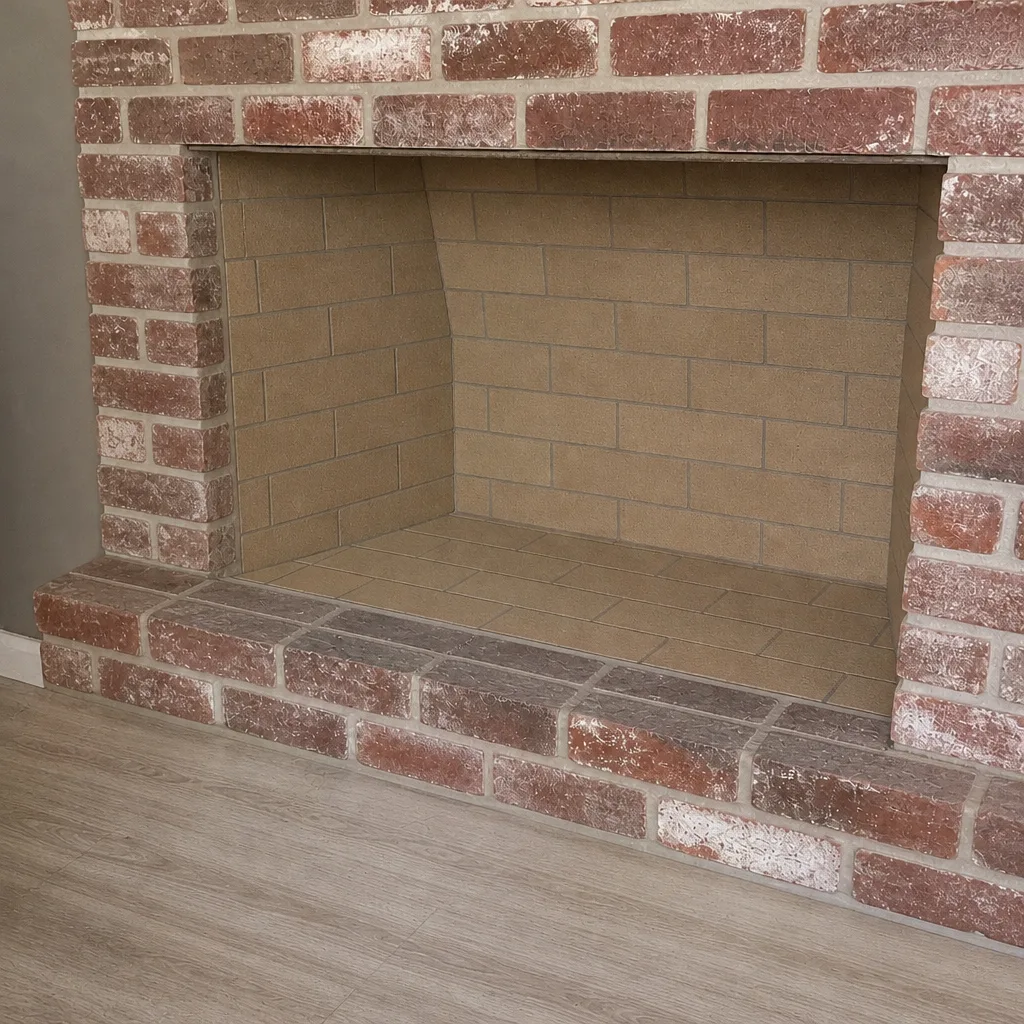
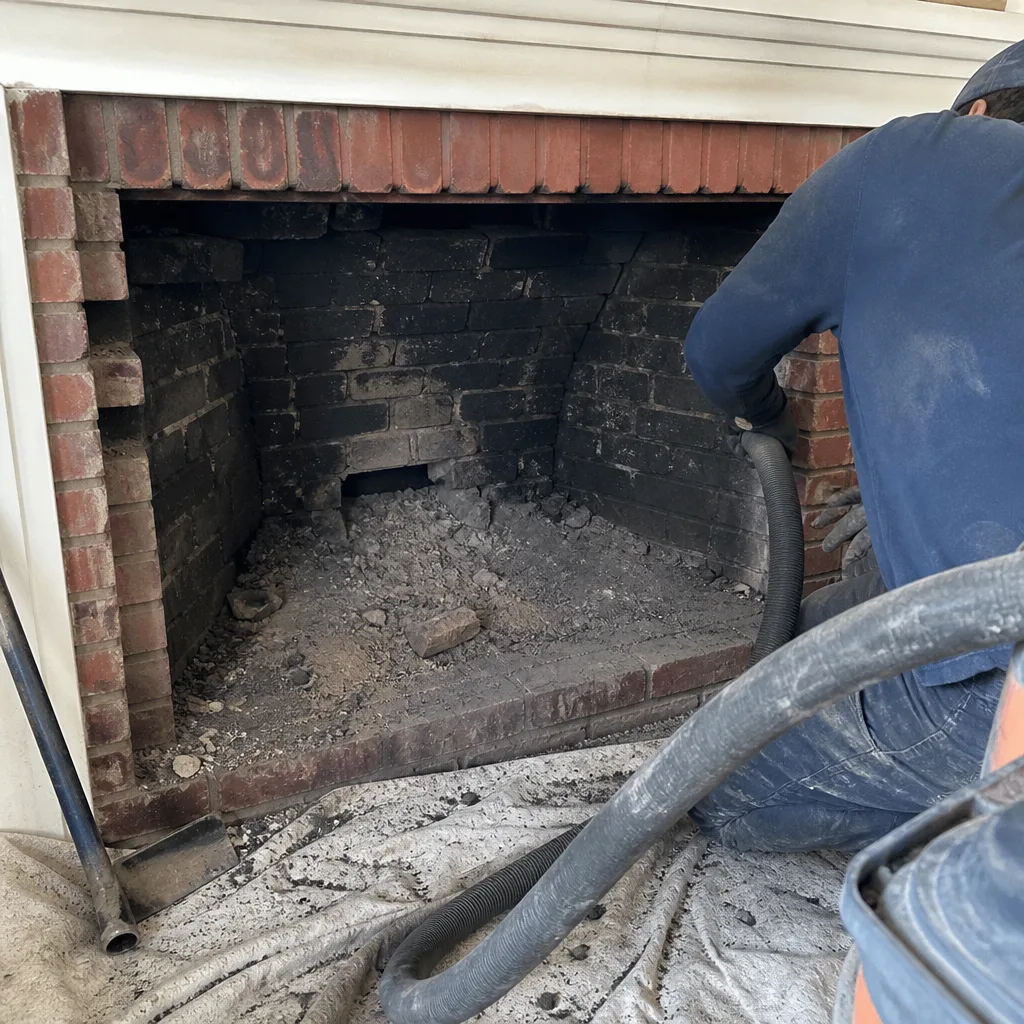
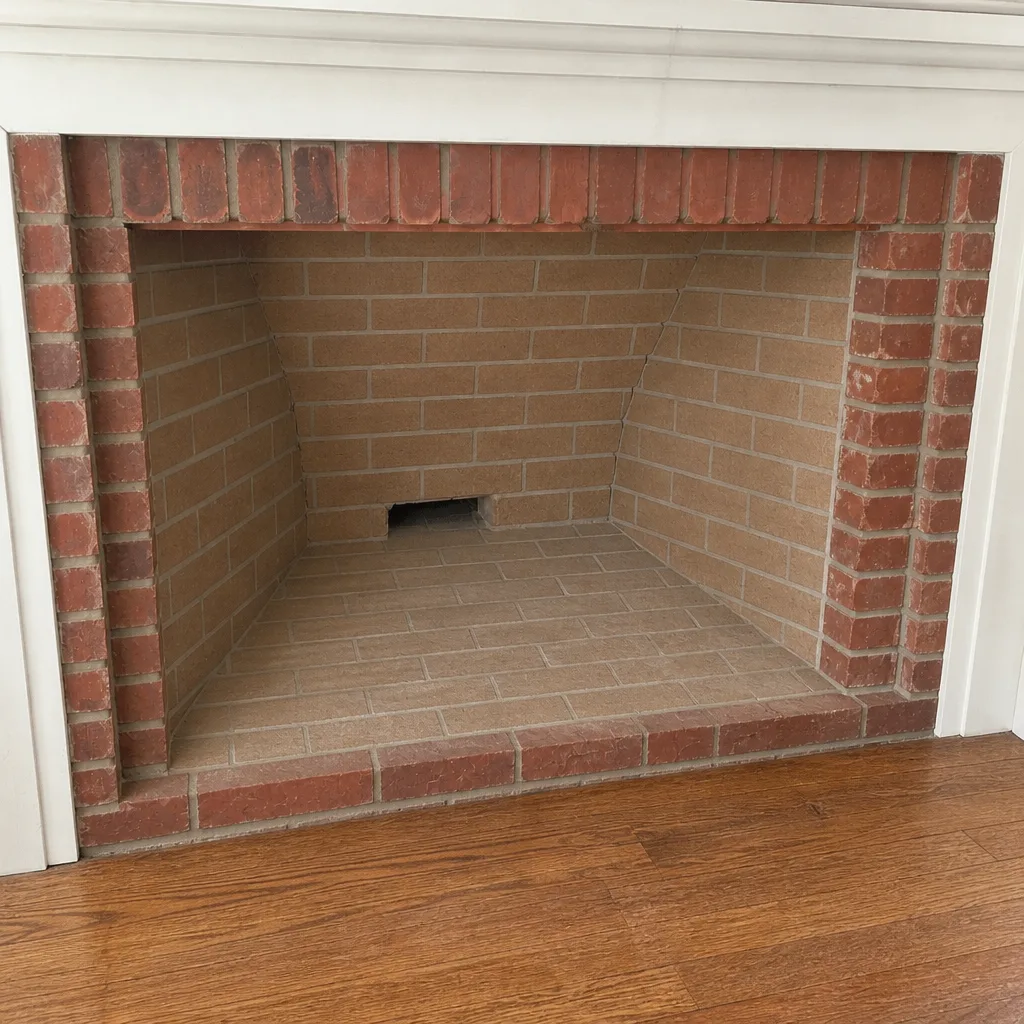
See the difference
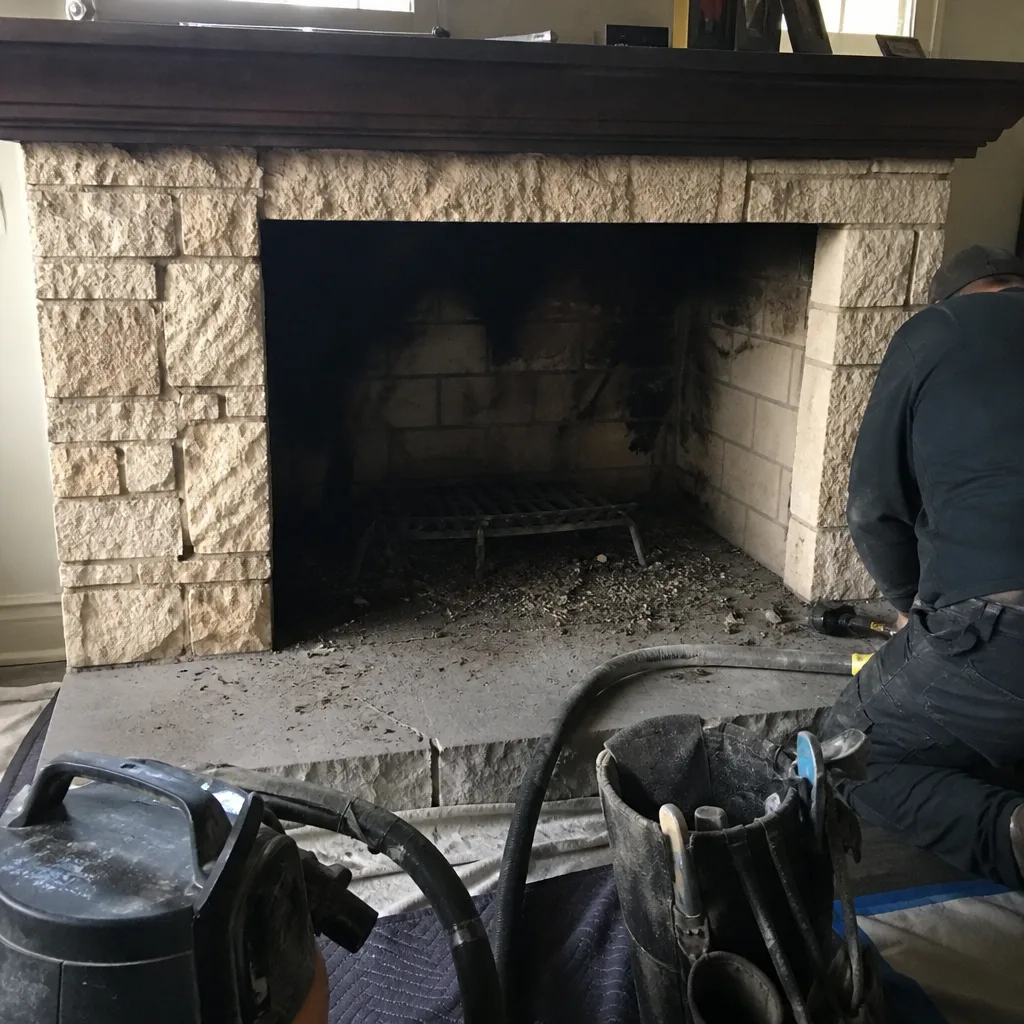 Before
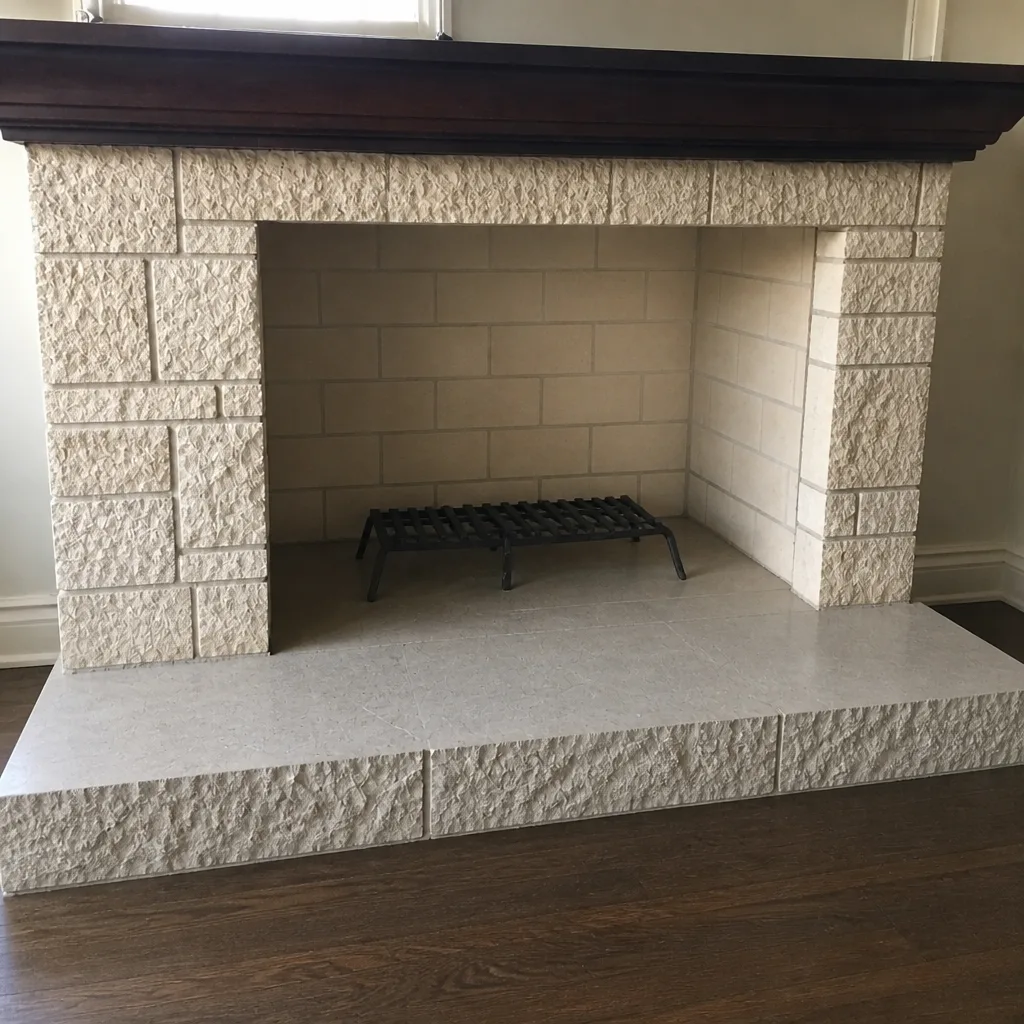 After
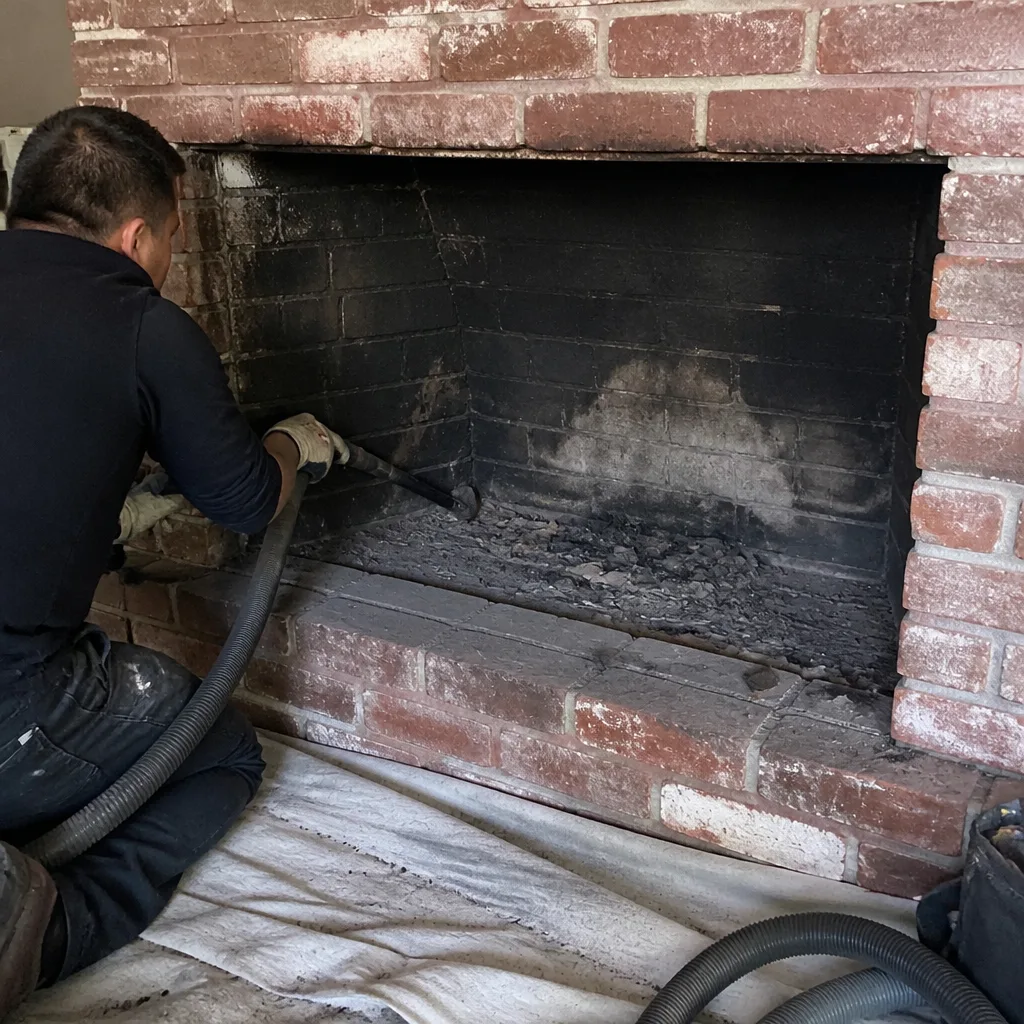 Before
 After
 Before
 After
When to Call a Professional
Call us when you suspect a chimney fire, when you’ve had one and the fire department has cleared the scene, when a carbon monoxide detector has alarmed while a fire was burning, when you notice smoke backing into the room, when your damper won’t operate, or when you’ve just bought a Fountain Valley home and don’t know the chimney’s history. Call if your flue hasn’t been swept in a season of regular burning, or if you see creosote buildup above the firebox. Fountain Valley Chimney Sweep offers free estimates in Fountain Valley. Call (855) 337-1702. We answer 24/7. Fast dispatch from 7am to 7pm, Sunday through Friday.
Frequently Asked Questions
Most routine chimney sweeps in Fountain Valley fall in the range of $180 to $340, and the written estimate sets the final price. That range covers a standard sweep with a visual check; a Level 2 camera inspection or liner work would be quoted separately and shown to you before any work begins. Call (855) 337-1702 for an exact quote. Estimates are free.
The most common signs are a low roar that sounds like a distant train, a sharp hot or metallic smell, smoke backing into the room, and pieces of creosote or liner on the roof or in the yard. A slow-burning fire can leave less obvious signs, which is why a camera inspection after any suspected fire is the right next step. Call (855) 337-1702 to book one. Estimates are free.
Not necessarily. The camera inspection tells us whether the liner cracked, warped, or held. If it held, we’ll say so. If it didn’t, options include resurfacing with HeatShield or relining with DuraFlex, and we’ll show you why one fits your situation better than the other. Call (855) 337-1702 for an inspection. Estimates are free.
For regular fireplace use, most chimneys need a sweep once a year or after about a cord of wood, whichever comes first, and an inspection each season. Fountain Valley homes that burn often through the cooler months benefit from a pre-season sweep before the first fire. Call (855) 337-1702 to book yours. Estimates are free.
Creosote accumulates, draft weakens, and the conditions that cause a chimney fire or backdraft CO intrusion become more likely. A chimney that hasn’t been swept in a season of regular burning is the top risk factor we see. Call (855) 337-1702 to schedule a sweep. Estimates are free.
Put one in the same room as the fireplace, high on a wall or ceiling since CO rises, plus a detector on every level of the home and near sleeping areas. Keep it about 15 feet from the fireplace itself to avoid nuisance alarms. If a detector alarms while a fire is burning, treat it as real: put out the fire, get everyone outside, and call us to inspect. Call (855) 337-1702. Estimates are free.
The Bottom Line
Emergency preparedness for a chimney isn’t a checklist you complete once. It’s a habit of knowing your system before you need it: where the damper is, whether the detectors work, when the flue was last swept, and what number to call. The homeowners who respond correctly to a chimney fire or a CO alarm are the ones who understood their risk factors before the event. Fountain Valley homes that get a pre-season sweep and a camera inspection are already ahead. If you’re not sure where your chimney stands, call us. We’ll tell you exactly what we find and exactly what it means.
For a free estimate on a sweep, inspection, liner work, or cap and crown installation in Fountain Valley, call Fountain Valley Chimney Sweep at (855) 337-1702. We answer 24/7. Fast dispatch from 7am to 7pm, Sunday through Friday. Professional-grade materials like DuraFlex, HeatShield, Gelco, Olympia Chimney, Famco, and Copperfield, and one company that handles the full chimney from the firebox to the crown.
Written by the team at Fountain Valley Chimney Sweep.