
Last updated November 25, 2026
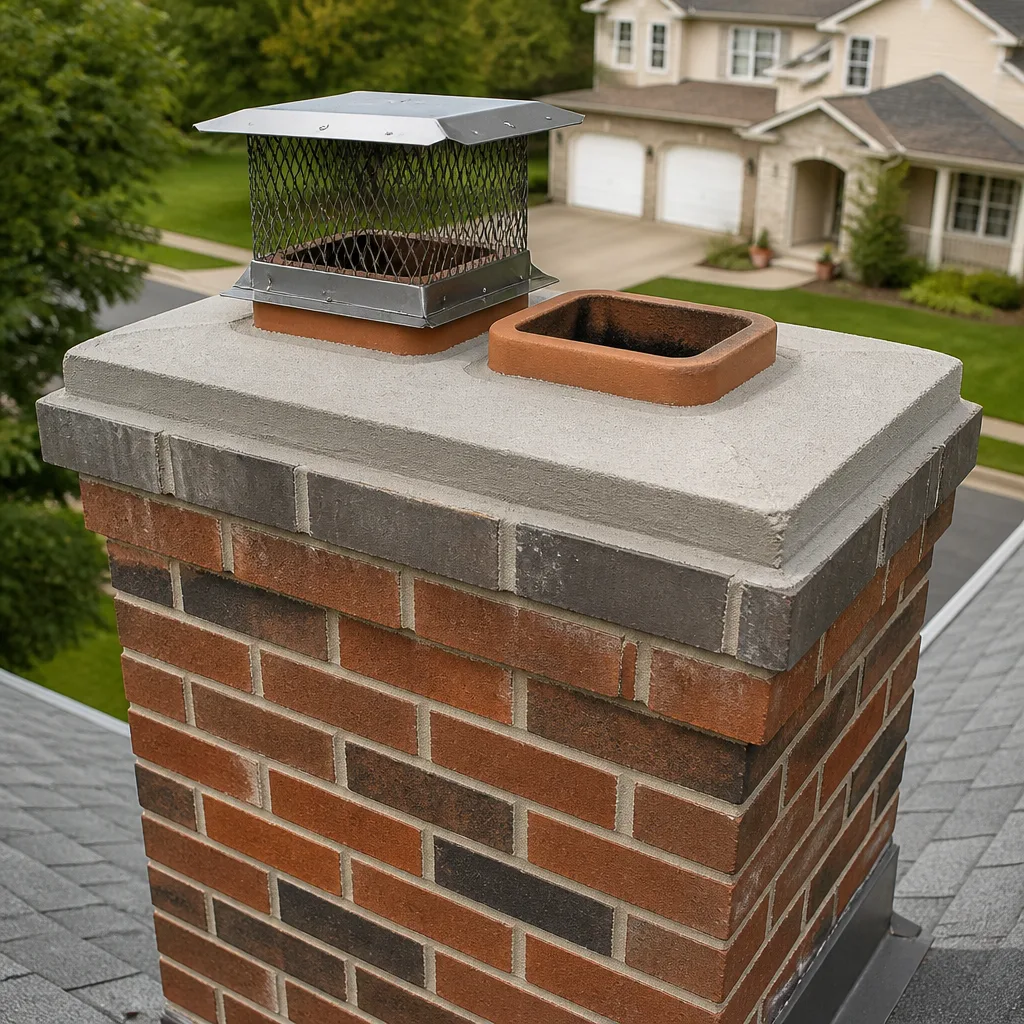 Sweep & inspection
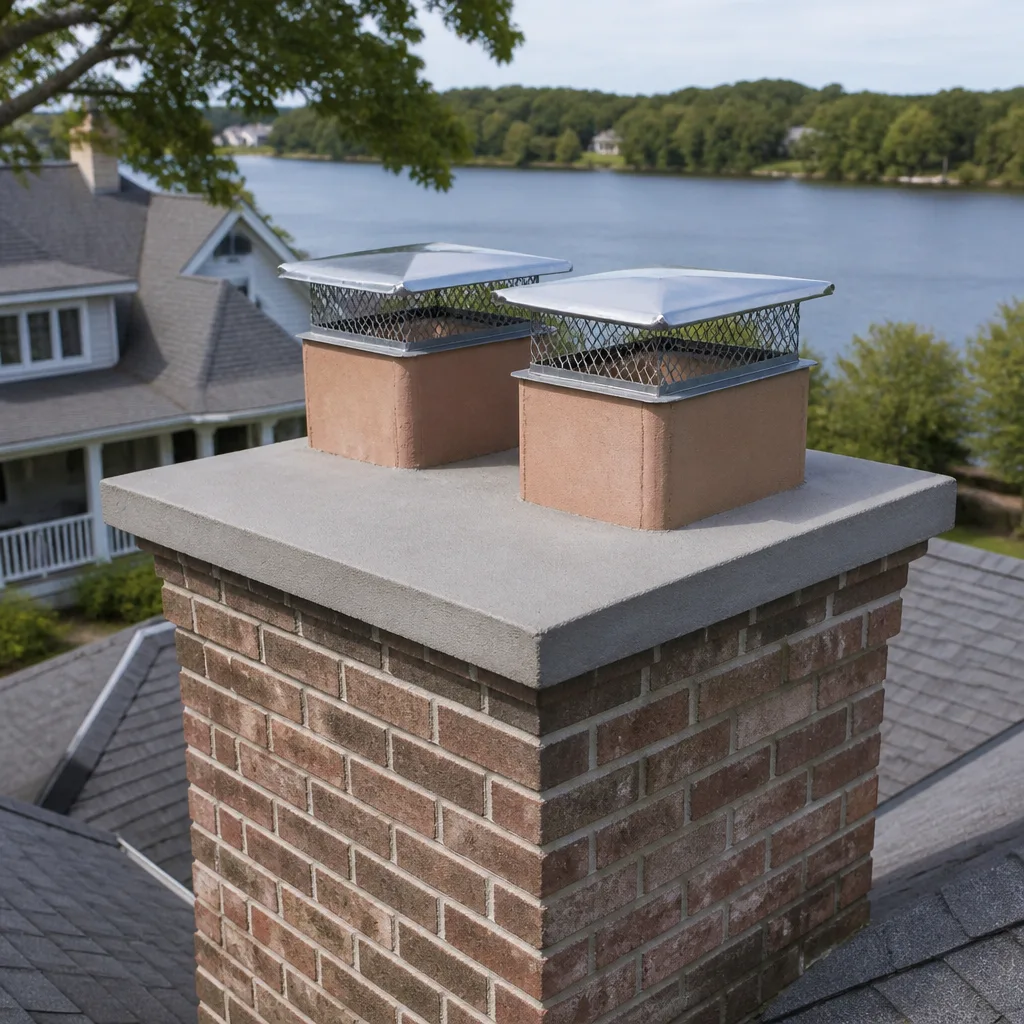 Caps & crowns
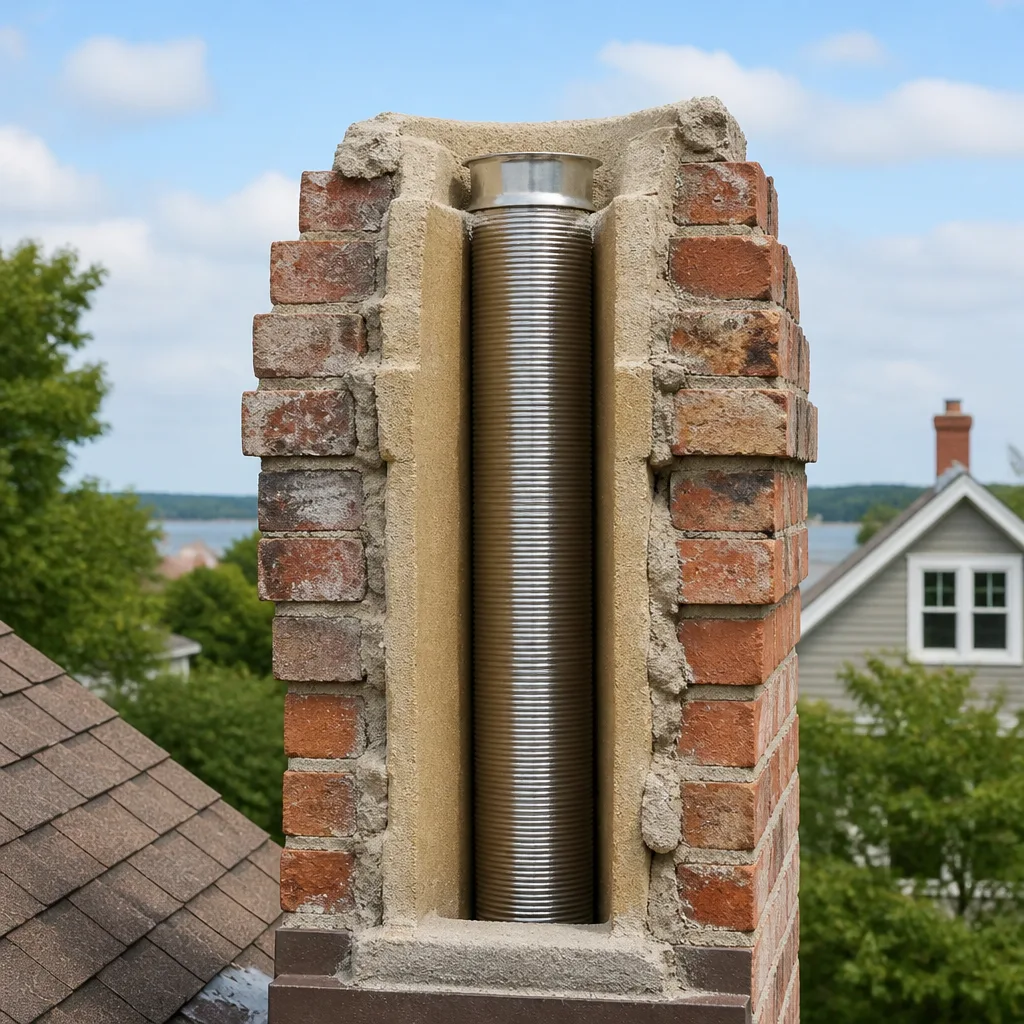 Flue relining
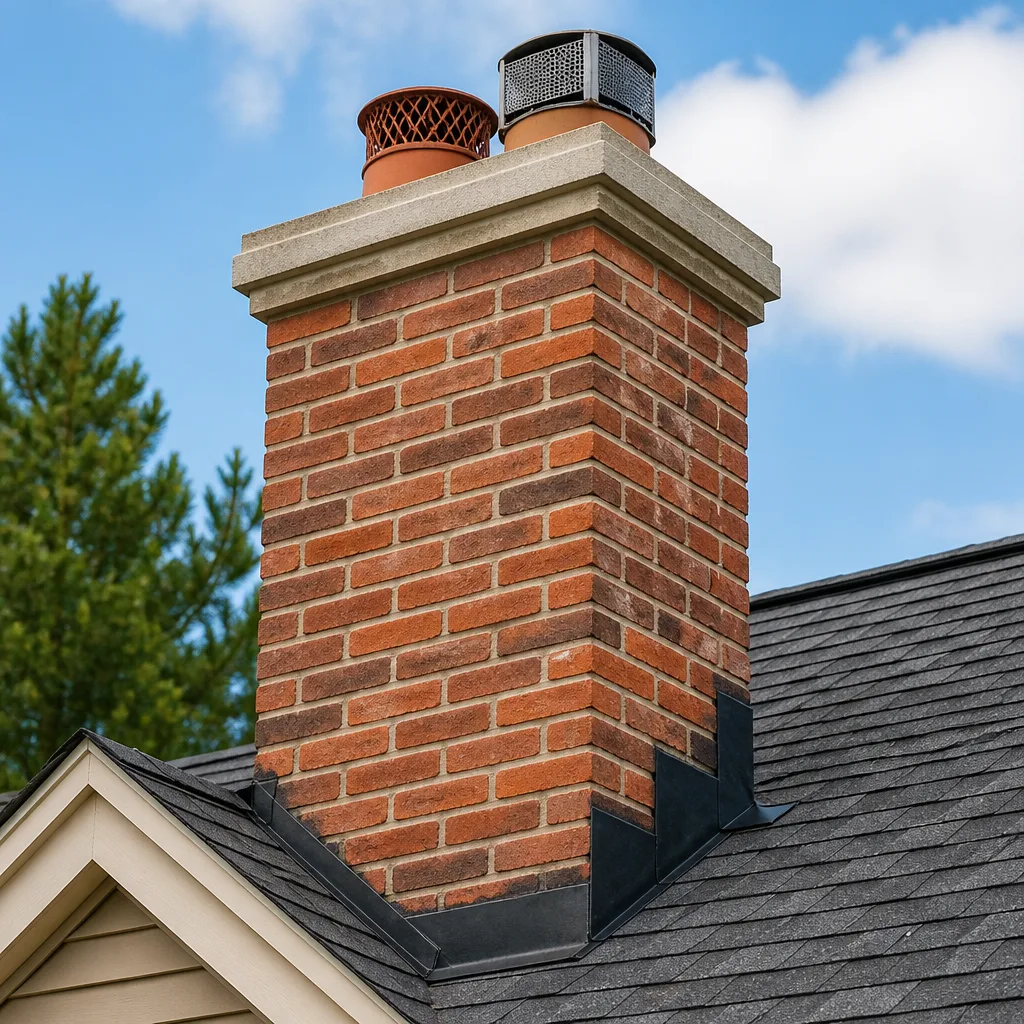 Masonry repair
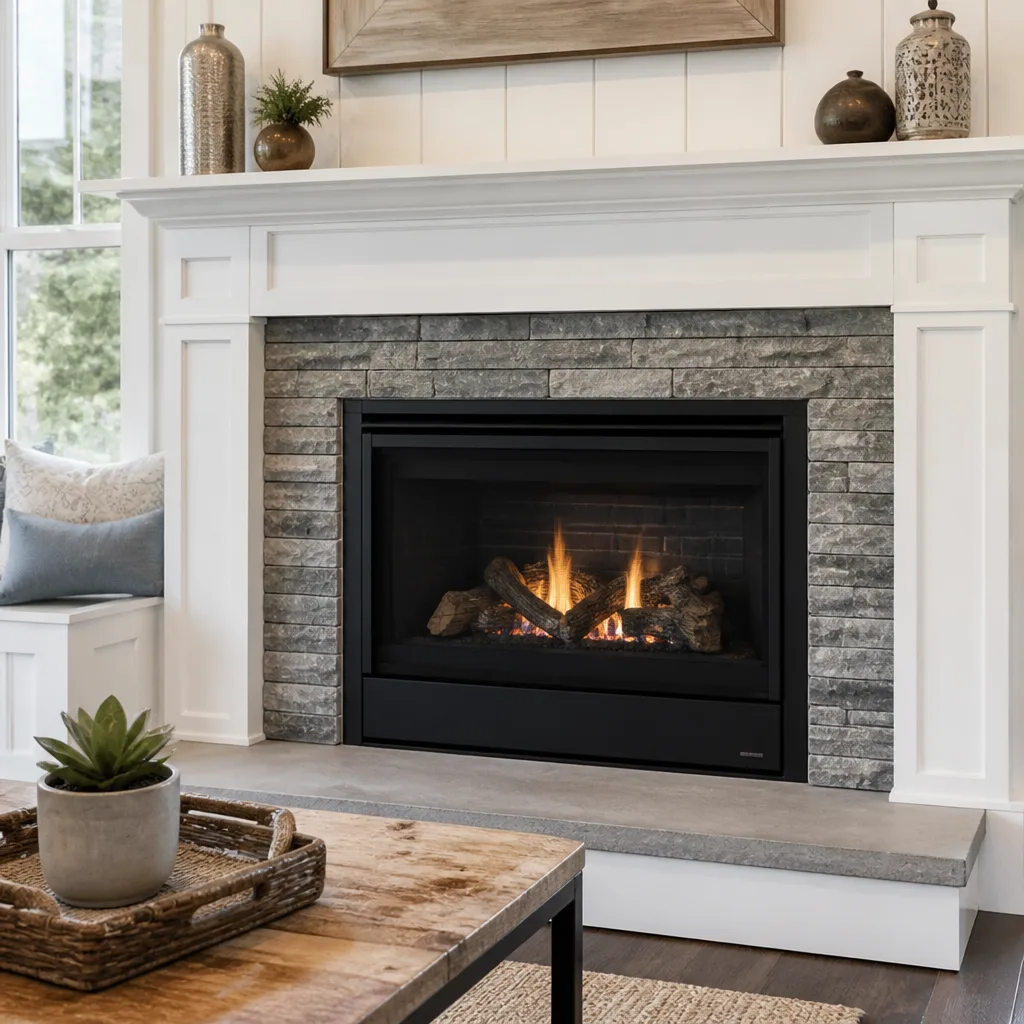 Gas fireplace service
Level 1 sweep and inspection to the NFPA 211 annual standard - flue, crown, cap, and flashing checked and photographed
Chimney sweep logs do not sweep chimneys. They loosen some creosote - which then falls where a brush and vacuum still have to collect it.
Chimney Cleaning Permits, Codes & Inspections in Fountain Valley, CA: What You Need to Know
The call we get most often starts with a simple question: “Do I need a permit just to get my chimney cleaned?” The answer surprises people. A routine sweep in Fountain Valley doesn’t require a permit, but the moment that sweep uncovers a cracked flue or a failed liner, the work that follows usually crosses into permitted territory, and plenty of homeowners never find out until a home inspection or insurance claim goes sideways. This guide walks through what California’s residential code actually governs, when the City of Fountain Valley building department gets involved, what a Level 2 inspection is and when it’s required, and how to confirm a permit was really pulled rather than just promised. We handle the full chimney, from the firebox to the crown, and we’ve watched too many homeowners pay twice for work that should have been done right the first time.
Quick Answer
In California, chimney cleaning itself is maintenance and does not require a permit, but structural chimney work such as liner replacement, masonry repair, or a flue change for a new appliance typically does require a building permit from the City of Fountain Valley. A Level 2 inspection is required by NFPA 211 after a chimney fire or during a real estate transaction, and it’s the standard we recommend whenever a home changes hands or a sweep reveals damage.
Styles & brands we work with
- Sweep & inspection
- Caps & crowns
- Flue relining
- Masonry repair
- Gas fireplace service
Table of Contents
- Does Chimney Cleaning Require a Permit in California?
- What California Residential Code Section R1003 Governs
- When Chimney Work Crosses Into Permitted “Alteration”
- NFPA 211 Level 2 Inspections: What They Are and When They’re Required
- How Unpermitted Chimney Work Affects Insurance and Real Estate
- How to Verify a Permit Was Actually Filed
- Why Hiring a Permit-Pulling Contractor Protects You
- Common Mistakes to Avoid
Does Chimney Cleaning Require a Permit in California?
No. Chimney cleaning in California does not require a permit. A sweep is classified as routine maintenance, the same way changing an air filter or cleaning a dryer vent is maintenance. What matters is where the line sits between maintenance and construction, and that line is what trips people up.
The City of Fountain Valley building department issues permits for work that alters the structure, changes how a system vents, or installs something new. A brush and vacuum pass through the flue doesn’t do any of those things. But a sweep is also a diagnostic event. When a technician runs a camera up the flue and finds a cracked tile, a disconnected liner section, or a gap in the masonry, the next step is usually repair, and repairs frequently qualify as permitted work.
Here’s the distinction in plain terms:
- Maintenance (no permit): sweeping the flue, removing creosote, cleaning the firebox, inspecting the chimney, replacing a chimney cap with a like-for-like cap, routine crown sealing.
- Alteration (permit usually required): installing or replacing a flue liner, relining for a new appliance, rebuilding a chimney above the roofline, repairing firebox masonry, changing the flue size or type.
Fountain Valley sits in a mild-winter climate where many fireplaces get used in short bursts rather than continuously through the season. That pattern can lull homeowners into thinking there’s less buildup to inspect, but creosote accumulates whether a fire burns for three hours or thirty, and the age of the housing stock around Fountain Valley matters more than the weather. Older homes with original clay tile liners are exactly where a sweep tends to turn up liner problems that require a permit. For a detailed breakdown of what a routine visit covers, see our chimney sweep page.
The rule of thumb we give homeowners: if the work involves more than cleaning and inspecting, ask whether a permit is required before anyone starts. That single question has saved people a great deal of grief.
What California Residential Code Section R1003 Governs
California Residential Code Section R1003 is the portion of the state’s residential building code that governs masonry fireplaces and their chimneys. It’s the section that sets the technical requirements a permitted chimney job has to satisfy, and it’s the reason a licensed contractor can’t simply install whatever liner fits.
R1003 addresses several things specifically. Flue liners must be continuous, correctly sized for the appliance, and made of an approved material. Masonry fireplaces must have a liner that runs the full height of the flue. There are requirements for the thickness of the firebox walls, the type of mortar, clearances to combustible materials, and the height of the chimney above the roof. The section also governs how the chimney terminates at the top and the clearances required for the flue relative to the roof surface.
Why this matters to a homeowner in Fountain Valley is straightforward. When a contractor pulls a permit for liner work, the job is inspected against a standard like R1003. When no permit is pulled, there is no inspection, and the work is only as good as the installer’s habits. A flexible liner system such as DuraFlex is designed to meet code-compliant venting requirements when installed correctly, but “correctly” is a technical standard, not a marketing claim. That’s the difference between work that holds up and work that looks fine until someone tests it.
R1003 also ties into how repairs are documented. A permitted job leaves a paper trail: application, approval, inspection, and final sign-off. If a liner install was done right, the record proves it. If you ever sell the home, that record becomes an asset rather than a liability. We handle liner and repair work that has to meet these standards, and we’ll tell you exactly what we find and exactly what it means, in language that doesn’t require a code book to follow.
When Chimney Work Crosses Into Permitted “Alteration” in Fountain Valley
The permit threshold is the point where work changes the chimney system rather than just maintaining it. In Fountain Valley, that generally means any job involving a new flue liner, a change to how the fireplace vents, structural masonry repair, or a rebuild. If you’re unsure whether your specific project needs a permit, the City of Fountain Valley building department is the authority to ask, and a good contractor will answer the question before you have to.
Here’s a practical, numbered way to think through it:
- Is the work purely cleaning and inspection? No permit. Sweeping, vacuuming, camera inspection, and reporting are maintenance.
- Does the work replace or install a flue liner? This is typically permitted work. A liner is part of the venting system, and the inspector will want to see it installed to code.
- Does the work involve masonry above the firebox or roofline? Tuckpointing, crown rebuilding, and flashing repair usually cross the line. Structural repair requires sign-off.
- Does the work change the appliance or its venting? Swapping a wood fireplace for a gas insert, or adding a new appliance to an existing flue, changes the system and generally needs a permit.
- Is the job a cosmetic cap or crown swap with no structural change? Often not permitted, though this varies. Confirm with the building department before assuming.
In our experience, the confusing cases are the ones where a sweep reveals a moderate problem. A cracked crown or a deteriorated flue interior can be repaired, but the repair method matters. HeatShield resurfacing, for example, is a proprietary restoration system for deteriorating flue interiors, and it’s an alternative to full relining in some cases. Whether a given repair requires a permit depends on whether it constitutes an alteration or a repair of existing material. That’s a question worth asking the building department directly, and it’s one we help homeowners sort out before work begins.
The stakes are higher in Fountain Valley simply because the housing stock includes a lot of homes old enough to have original liners that have never been properly updated. When you combine that with homeowners adding inserts for convenience, the permitted vs. unpermitted line gets crossed regularly. Getting it right the first time is far cheaper than fixing it later.
NFPA 211 Level 2 Inspections: What They Are and When They’re Required
An NFPA 211 Level 2 inspection is a detailed examination of the entire chimney system using a video camera, and it’s legally required after a chimney fire or during a real estate transaction. It goes beyond a basic visual check of what’s accessible, because it looks inside the flue. NFPA 211 is the national standard on chimneys, fireplaces, vents, and solid fuel appliances, and it defines three inspection levels. Level 1 is the routine check that accompanies a sweep. Level 2 adds a camera and covers all accessible portions of the chimney, including the flue interior. Level 3 is a full investigation that may involve opening walls when a level 2 finds a problem that can’t be seen otherwise.
A Level 2 inspection is required in these situations:
- After a chimney fire, even a small one that the homeowner thinks went out on its own.
- During a real estate transfer, when a home is sold or changes hands.
- After any event that could have damaged the chimney, such as a nearby structural change or a storm event.
- Whenever a change is made to the appliance or venting system.
Why does this matter in Fountain Valley? Because the real estate requirement is the one people get surprised by. If you’re buying an older home, a Level 2 inspection is your chance to learn what the flue actually looks like before you own it. The camera evidence tells you whether the liner is intact, whether there’s a hidden gap, and whether the flue was ever relined. We offer inspections as a standalone service, and those camera images come with a clear explanation so you can make a decision based on what’s really there, not on a sales script. It’s also worth knowing when a Level 2 becomes a Level 3, since that may mean a larger conversation about access and cost.
How to request one: ask for a level 2 chimney inspection, confirm the company will use a camera and provide photos or video of the findings, and ask for a written report. If a company can’t show you what they saw inside the flue, the “inspection” isn’t a Level 2 in the sense that matters.
How Unpermitted Chimney Work Affects Insurance and Real Estate
Unpermitted chimney work can jeopardize an insurance claim and complicate a home sale. This is the part homeowners underestimate most. The work itself might look fine for years. The problem surfaces when an insurance adjuster or a buyer’s inspector asks for the permit record.
On the insurance side, policies typically require that alterations to a home’s systems be done to code by qualified people. If a chimney fire damages the house and the adjuster discovers the flue was relined without a permit, the claim can be contested. The insurer isn’t necessarily looking for a reason to deny; the issue is that unpermitted work removes the paper trail that would otherwise prove the work was done correctly. That’s a risk no homeowner should carry on a system that deals with open flame and combustion gases.
On the real estate side, the issue is more common and more visible. When a home goes under contract, a Level 2 inspection is the standard, and any defect that surfaces becomes a negotiation point. Unpermitted liner work discovered during the transaction can stall the sale, force a re-inspection, or cut the sale price. Buyers and their agents increasingly know to ask for chimney documentation, especially on older Fountain Valley homes where the original liner may be decades old.
The fix is straightforward: do the work correctly, pull the permit, keep the inspection record, and keep the written report with the closing documents on the house. It’s not glamorous, but it’s the thing that makes a claim clean and a sale smooth. The cost of a permit is small compared to the cost of redoing failed work or navigating a contested insurance claim.
How to Verify a Permit Was Actually Filed
Never take “we pulled the permit” at face value, and always verify for yourself. Promises are easy; public records are the only thing that counts. Every permitted job in Fountain Valley goes through the city’s building department, and every permit leaves a trace you can check.
Here’s how to verify, in numbered steps:
- Ask for the permit number. A permit number is issued when the permit is applied for, not when the work is done. A contractor who pulled a permit can give you that number in writing.
- Contact the City of Fountain Valley building department. Ask them to confirm the permit number exists, what it covers, and who it’s issued to. This is the only authoritative check.
- Confirm the scope. The permit should describe the actual work: liner installation, masonry repair, insert installation. A permit that doesn’t match the job in front of you is a red flag.
- Ask about the inspection. Permitted work gets inspected. Ask when the inspection is scheduled and whether the final sign-off has happened before you make the final payment.
- Keep the documents. The permit, the inspection record, and the contractor’s report belong with your closing papers.
We’ve had homeowners call us to sort out a project where the permit was “in the works” for weeks. There’s no permit in the works until the application is filed and the number is issued. That’s the standard we hold to, and it’s the standard you should hold to in return.
Why Hiring a Permit-Pulling Contractor Protects You
A contractor who pulls permits is offering you something beyond paperwork: accountability. When a permit is filed, the work gets inspected, the standards are checked, and the record is public. When a contractor steers you away from a permit, the work has no outside check.
There’s a second layer to this. Chimney work is a specialty, and it doesn’t sit comfortably with a general handyman or an HVAC contractor. Liner installation, masonry repair, and cap and crown work require knowing the codes and the products together. We work with professional-grade brands including DuraFlex liner systems, HeatShield resurfacing, Gelco and Famco caps, and Olympia Chimney components because those are the materials specified when the work has to meet a standard. Professional-grade materials, not hardware-store substitutes, is a principle that matters precisely when the result will be inspected against R1003.
Permits also align with full-scope work. When one company handles the sweep, the inspection, the liner install, the cap, and the crown, there are no handoffs to subcontractors for the parts that actually matter. The person who finds the problem is the same one responsible for fixing it to code. For a broader picture of how repair work is handled, our chimney repair page covers that scope in detail.
And when it’s the firebox, damper, or firebox masonry that needs attention, that’s part of the same system. If the work crosses into the firebox or hearth, see our fireplace repair page. The guiding principle is simple: liner, crown, cap, firebox, if it’s part of your chimney system, it’s our responsibility.
Common Mistakes to Avoid
- Assuming a cleaning “includes” a permit. It doesn’t, and it shouldn’t. A sweep is maintenance. The mistake is assuming that because the cleaning needed no permit, the repair that follows doesn’t either.
- Skipping a Level 2 inspection when buying an older Fountain Valley home. The city has a lot of homes with original liners. Skipping the camera inspection means you’re buying a flue you haven’t seen.
- Accepting “the permit’s being processed” as proof. A permit number exists only when it’s issued. Ask for the number, then verify it with the building department.
- Letting unpermitted liner work go undocumented. It creates a problem at insurance-claim time and at resale. The fix costs far less than the risk.
- Hiring a sweep-only company for a repair job. Sweep-only companies often refer out the liner and masonry work. That creates handoffs and gaps in responsibility. Choose a company that owns the full scope.
- Ignoring a crack because the fire “seems fine.” The fire can seem fine while a flue gap sends gases where they shouldn’t go. The crack doesn’t resolve on its own.
- Forgetting to keep the inspection record. The camera report, permit, and sign-off belong with your closing documents. Future you, and your buyer, will need them.
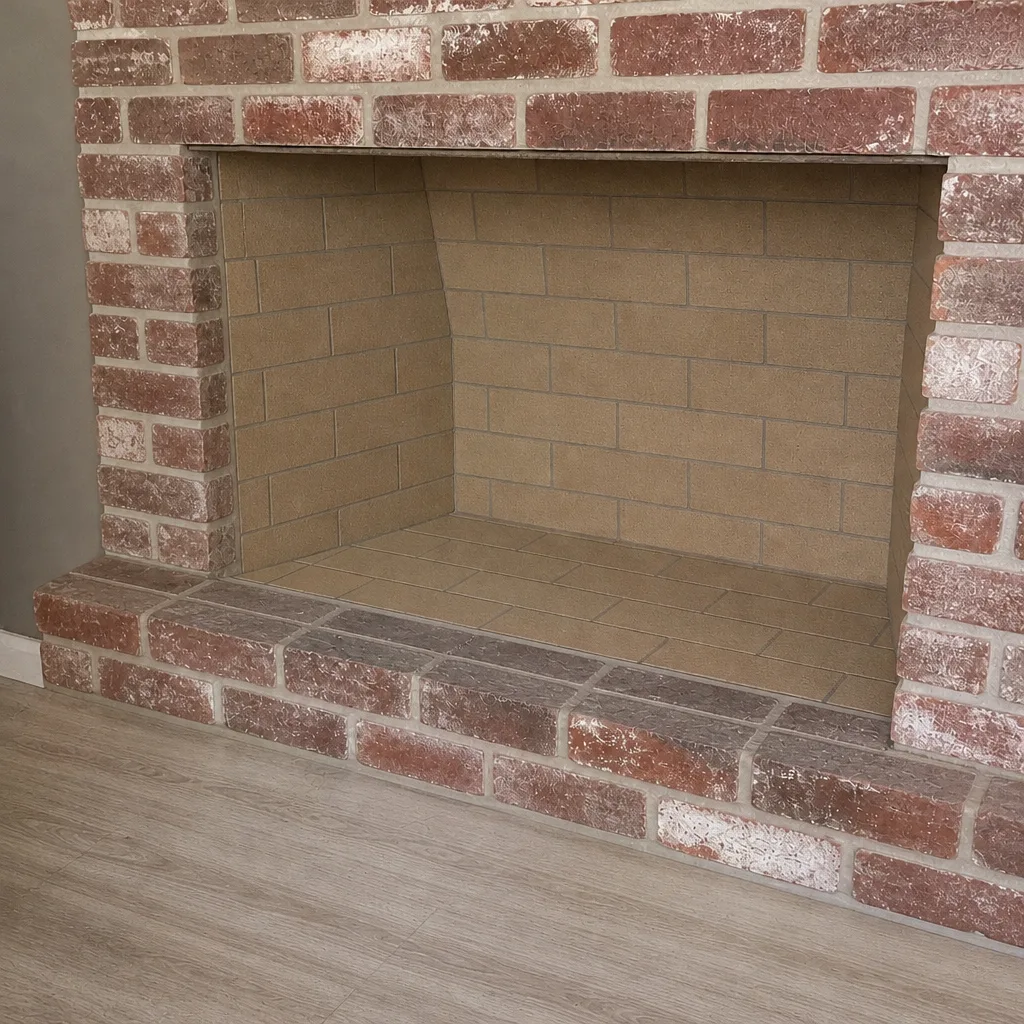
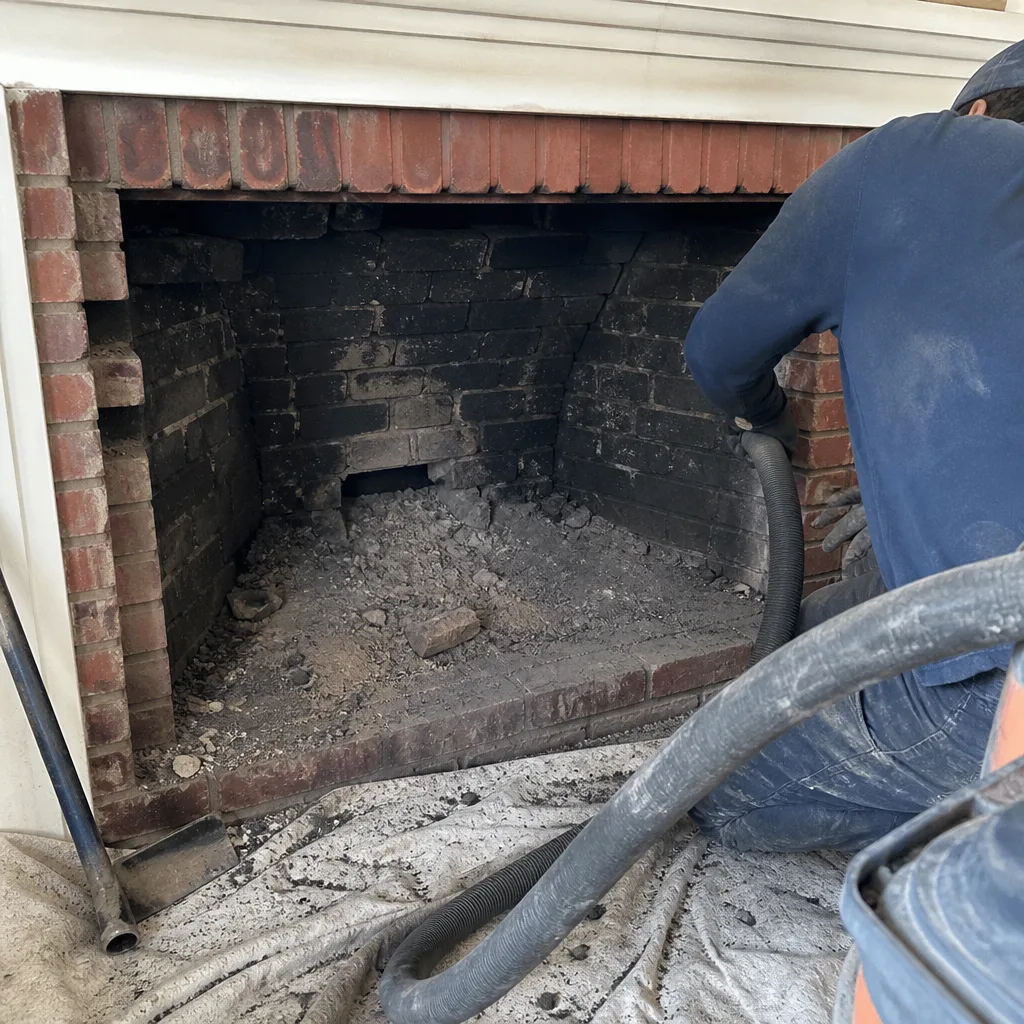
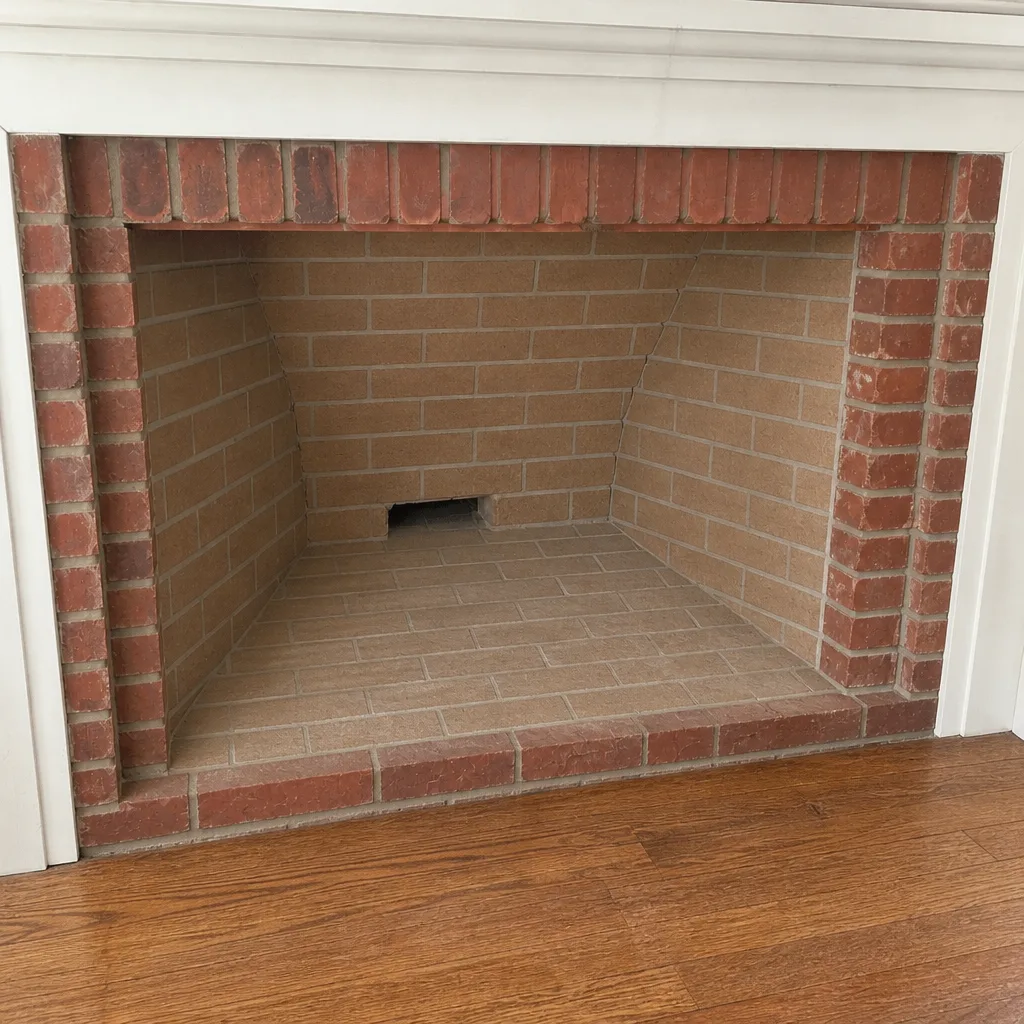
See the difference
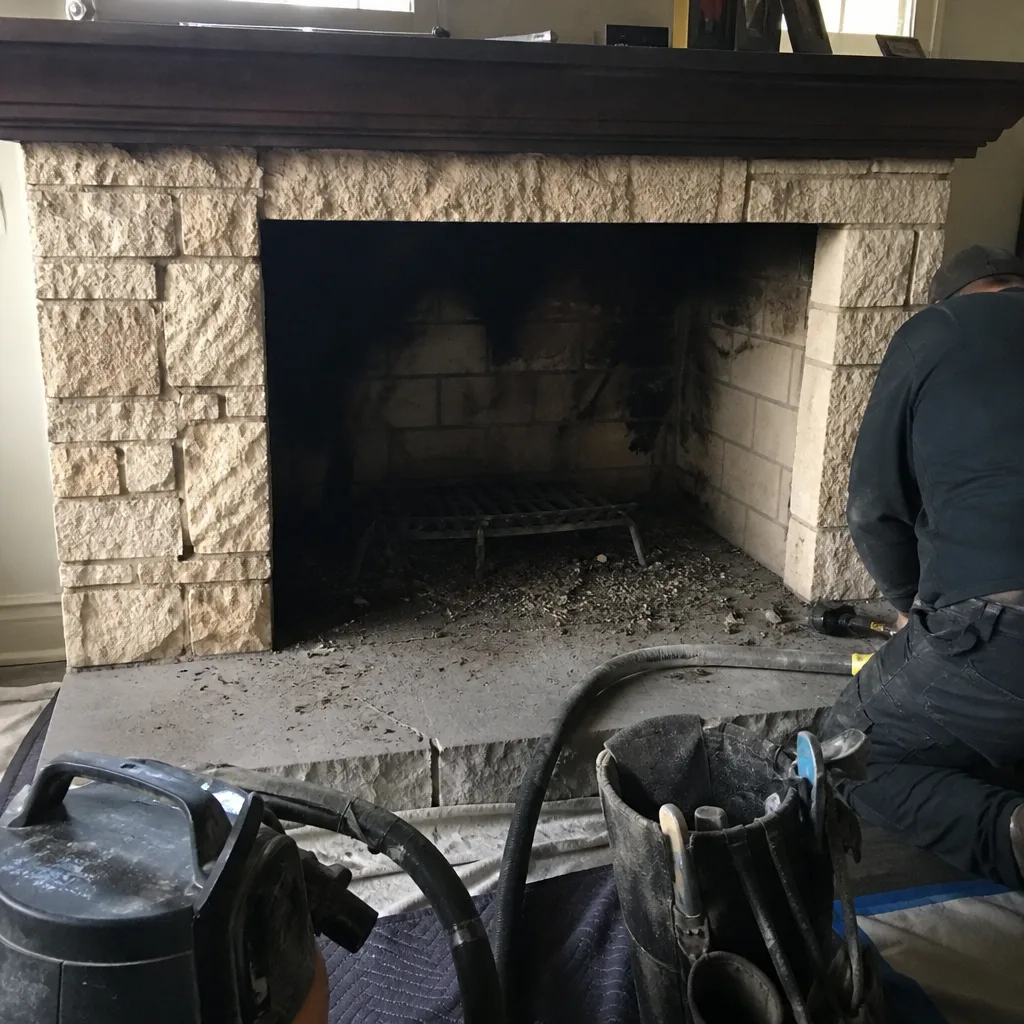 Before
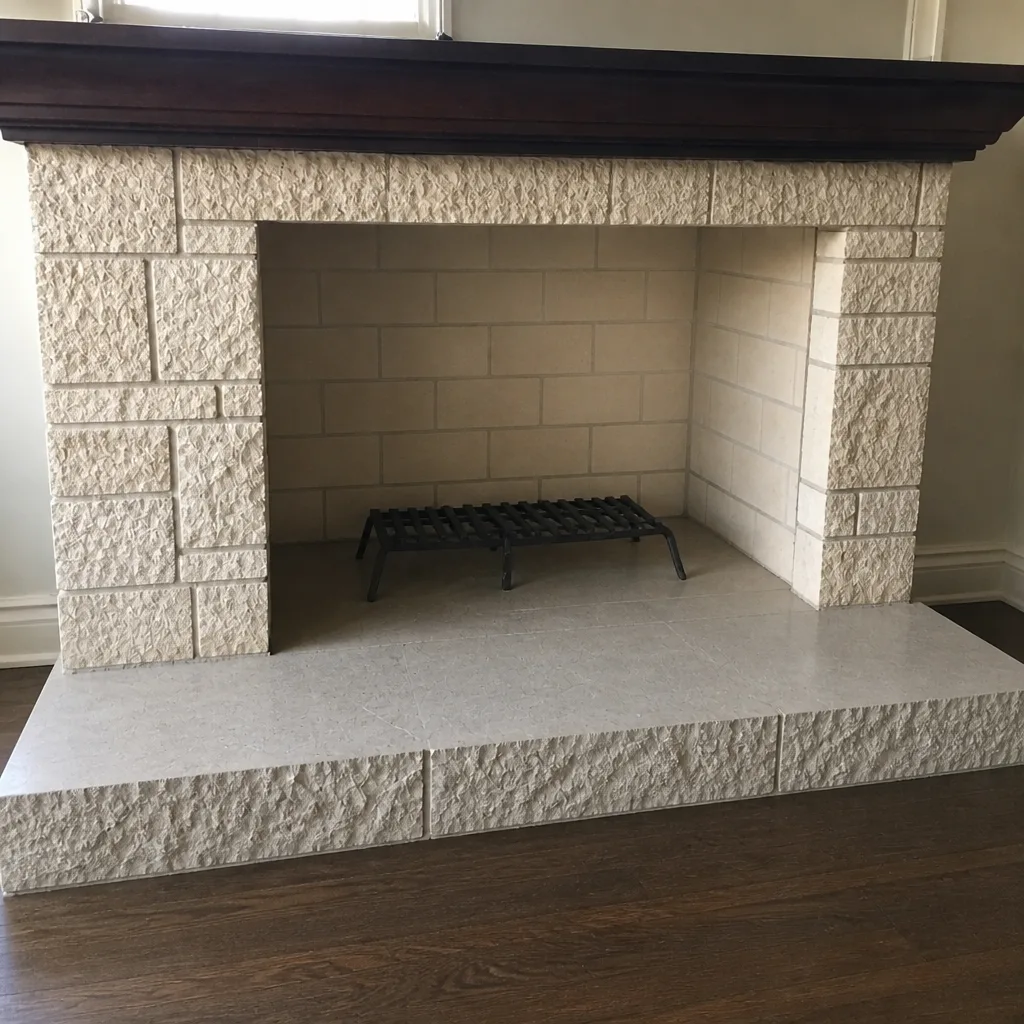 After
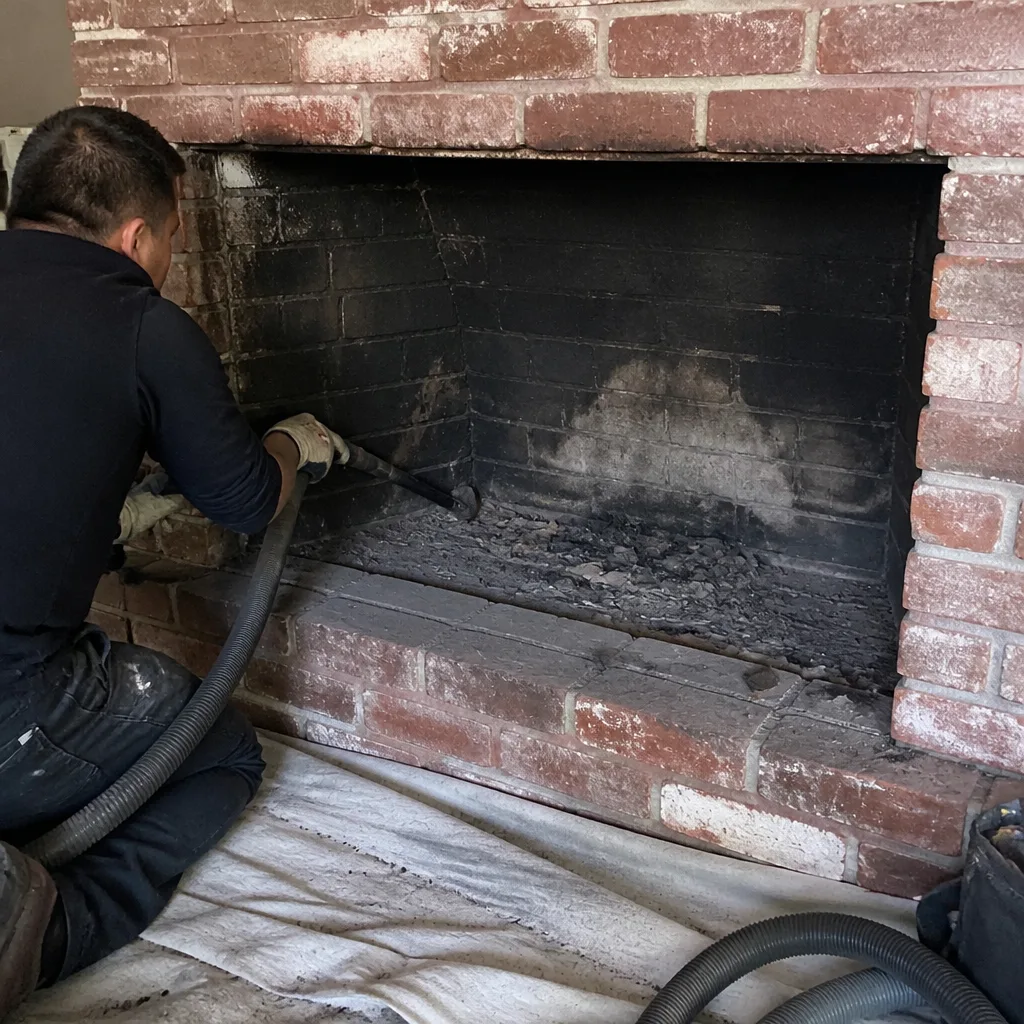 Before
 After
 Before
 After
When to Call a Professional
Call a professional when a sweep reveals damage you can’t verify for yourself, when you’re buying or selling a home and need a Level 2 inspection, when your flue has never been camera-inspected on an older home, or when you’re considering a liner or insert and aren’t sure whether the work is permitted. Those are all moments when a specialist with the right camera and the right code knowledge saves you money. We also want to be clear on safety: the flue liner carries combustion gases out of the house, and carbon monoxide is colorless and odorless. A failed liner isn’t a cosmetic issue. If you’re unsure, stop using the fireplace until someone has looked at it. Fountain Valley Chimney Sweep offers free estimates in Fountain Valley, and we’ll tell you exactly what we find and whether the work can safely wait. Call (855) 337-1702. We answer 24/7. Fast dispatch from 7am to 7pm, Sunday through Friday.
Frequently Asked Questions
No. Chimney cleaning is routine maintenance and does not require a permit in Fountain Valley or anywhere in California. The permits come into play when the sweep uncovers damage that needs a liner, masonry, or other structural repair. Call (855) 337-1702 for an exact quote if you’re unsure whether your job crosses that line, estimates are free.
A Level 2 inspection is a camera-based examination of the full chimney system, and NFPA 211 requires it after a chimney fire or during a real estate transaction. It goes inside the flue, unlike a basic visual check, so it can find hidden gaps and cracks. Ask for a camera inspection with photos and a written report. Call (855) 337-1702 to book one; estimates are free.
A typical chimney sweep in Fountain Valley runs in the range you’d expect for a standard single-flue cleaning, and the written estimate sets the final price after we see the setup. The cost depends on the flue, access, and whether a camera inspection is included. We give a flat price before any booking, agreed in writing. Call (855) 337-1702 for an exact quote, estimates are free.
Only if the inspection shows the existing liner has failed or is not code-compliant for your appliance, and we won’t say that without camera evidence you can see for yourself. A cracked clay tile or a disconnected liner is a real problem; a liner that’s intact doesn’t need to be replaced. If it can safely wait, we’ll tell you so. Call (855) 337-1702 to discuss what your inspection found, estimates are free.
Ask for the permit number, then call the City of Fountain Valley building department to confirm it exists and what it covers. A permit number is issued when the application is filed, so “we’re still filing it” is not the same as a permit. We provide the permit number in writing and confirm the inspection before the final bill. Call (855) 337-1702 with questions, estimates are free.
You buy a flue you’ve never seen, and any hidden defect becomes your problem after closing. In an older Fountain Valley home, that could mean an original liner that’s never been updated, and fixing it after the fact costs more than inspecting before. A Level 2 inspection takes the guesswork out of the transaction. Call (855) 337-1702 for a free estimate on the inspection.
The Bottom Line
The core of this guide is a single distinction: cleaning doesn’t need a permit, but the repairs that follow often do. California Residential Code Section R1003 sets the technical standard for liner and masonry work, the City of Fountain Valley building department issues permits for alterations, and NFPA 211 Level 2 inspections are required after a chimney fire or during a real estate transfer. Unpermitted work creates real risk at insurance-claim and resale time, and the way to protect yourself is to verify the permit number, keep the inspection record, and hire a specialist who owns the full scope. Fountain Valley Chimney Sweep handles the sweep, the inspection, the liner, the cap, and the crown. Call (855) 337-1702. We answer 24/7. Fast dispatch from 7am to 7pm, Sunday through Friday. Our technicians have up to 11 years of experience, and the local pro we connect you with is licensed and insured as their state requires.
For a full look at what we do, start at Fountain Valley Chimney Sweep.
Written by the team at Fountain Valley Chimney Sweep.