
Last updated November 25, 2026
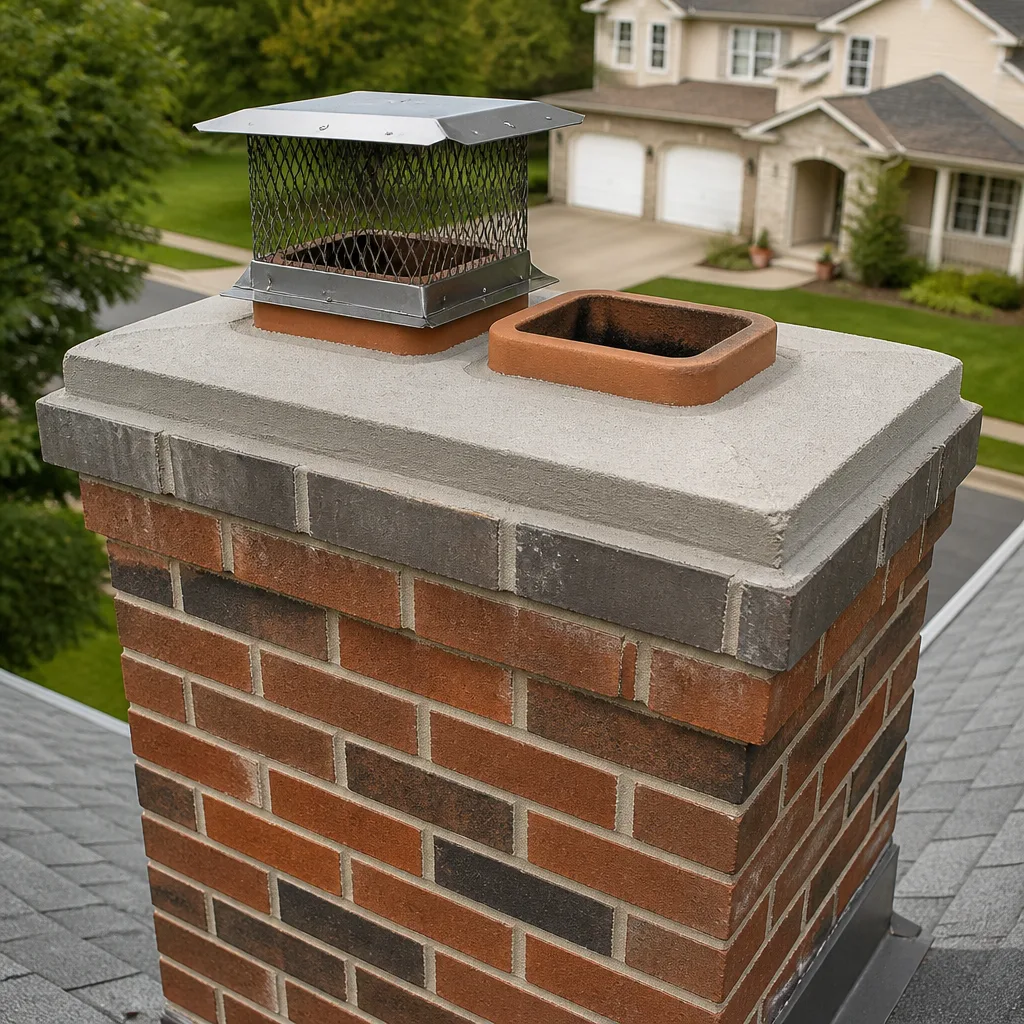 Sweep & inspection
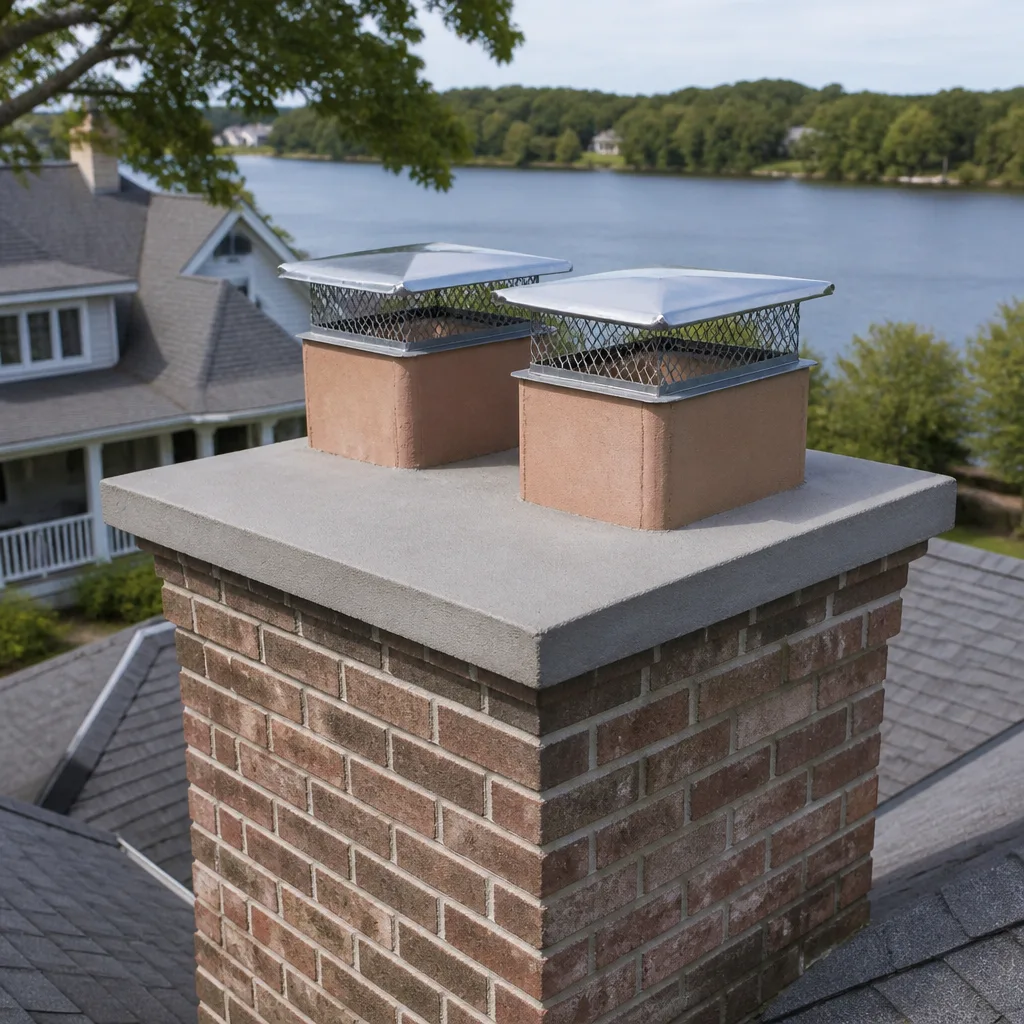 Caps & crowns
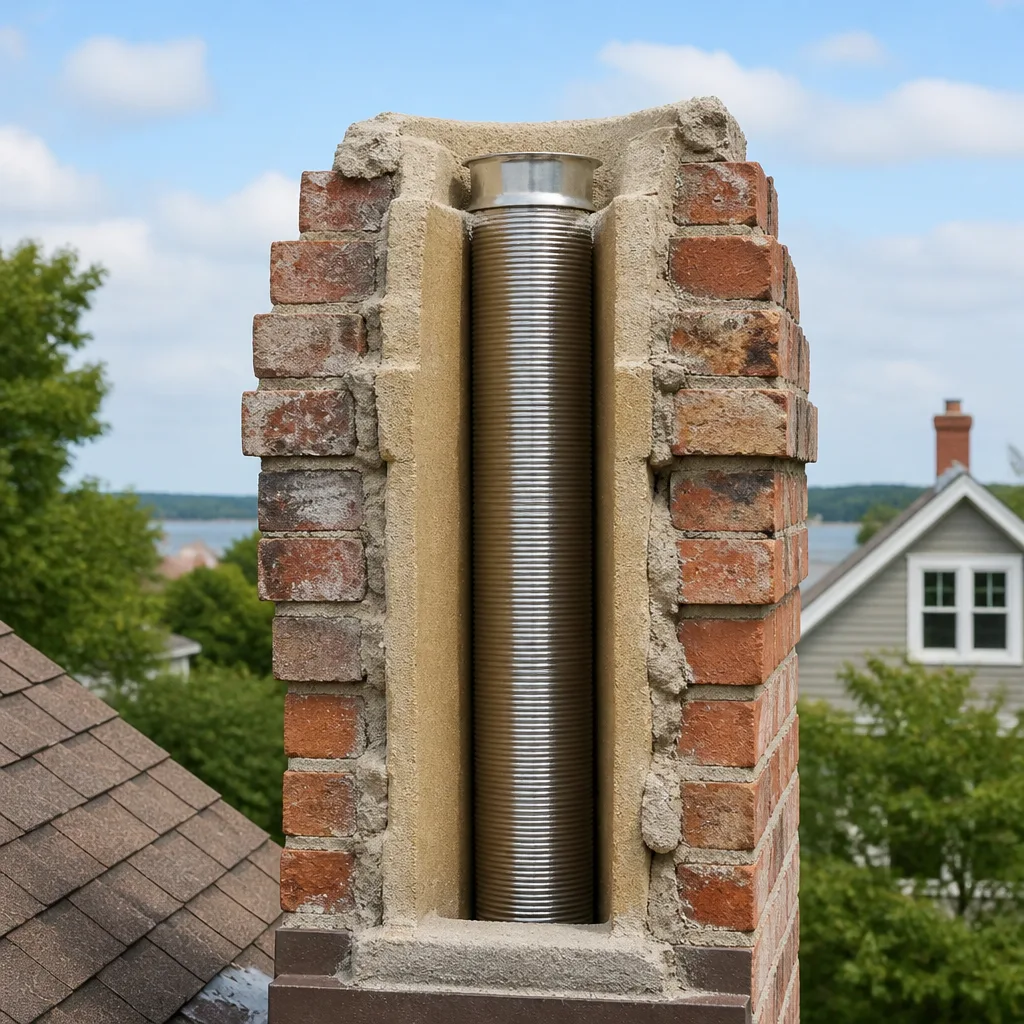 Flue relining
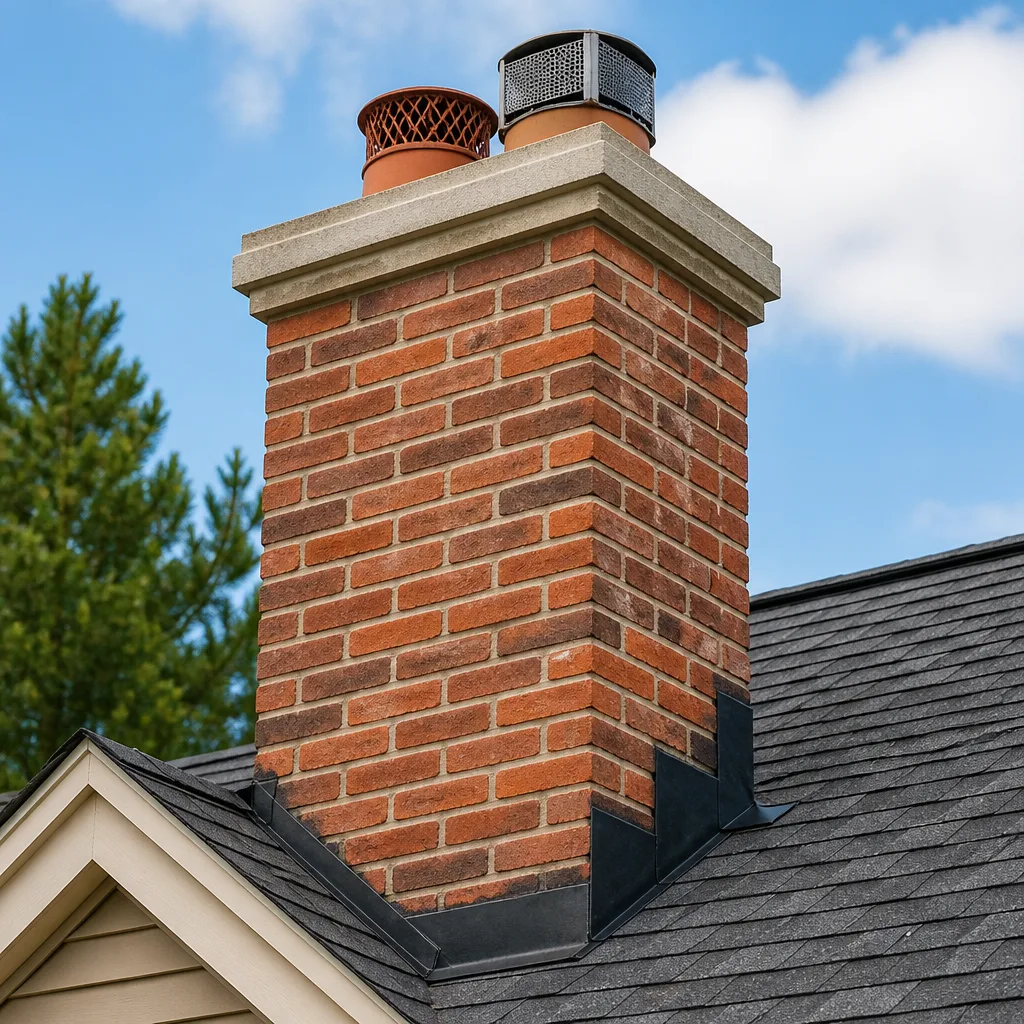 Masonry repair
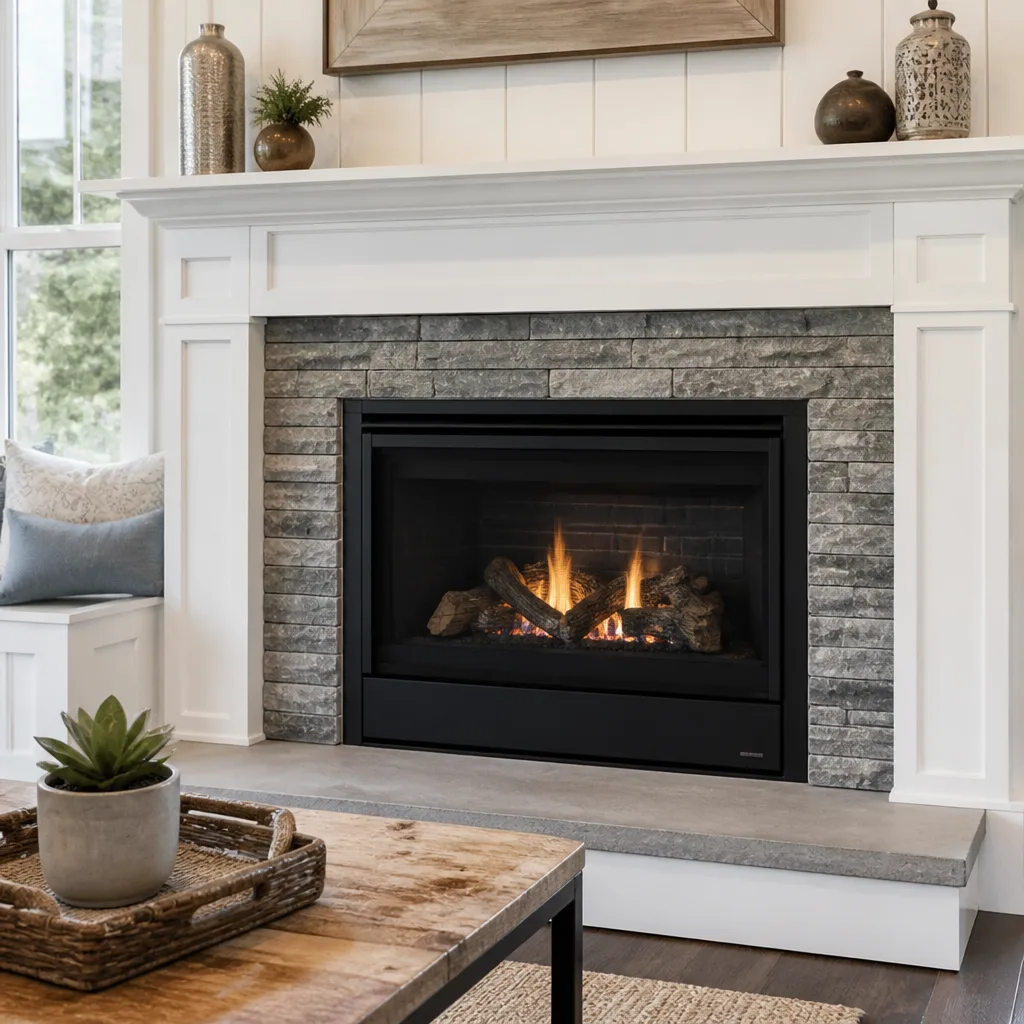 Gas fireplace service
Level 1 sweep and inspection to the NFPA 211 annual standard - flue, crown, cap, and flashing checked and photographed
Chimney sweep logs do not sweep chimneys. They loosen some creosote - which then falls where a brush and vacuum still have to collect it.
Choosing the Right Chimney Cleaning Brand: A Buyer’s Guide for Fountain Valley
Ask a chimney company what brand of stainless liner they install and watch what happens. Some answer in a sentence. Others pivot to a story about how busy they are. That gap matters more than most homeowners realize, because the materials inside your chimney are hidden from view once the job is done. A liner, a crown coat, or a cap that came from a discount source behaves very differently from one built to a professional specification, and you’ll only learn the difference years later when it fails. In this guide, we’ll walk you through which product brands actually carry weight in the chimney trade, what to ask before you hire, and why material knowledge tells you more about a company in Fountain Valley than any ad ever will.
Quick Answer
A chimney cleaning company worth hiring in Fountain Valley can name the professional-grade brands it installs, explain why it chose them for your specific chimney, and show you the manufacturer spec sheet on request. Companies that work with brands like HeatShield, DuraFlex, Gelco, or Copperfield are usually operating at a higher technical level than sweep-only outfits. If a contractor can’t tell you what liner or cap product they use, treat that as a real warning sign about overall quality.
Styles & brands we work with
- Sweep & inspection
- Caps & crowns
- Flue relining
- Masonry repair
- Gas fireplace service
Table of Contents
- Why Chimney Product Brands Actually Matter
- Stainless Liner Systems: The Brands That Hold Up
- Crown Coatings: Professional Products vs. Generic Sealers
- Chimney Caps and Wildlife Protection
- Why Professional Liners Perform Better in California Conditions
- How to Ask About Materials Without Getting a Sales Pitch
- What Manufacturer Warranties Actually Require
- Why Full-Scope Service Signals Material Competence
Why Chimney Product Brands Actually Matter
A chimney is a simple system with a handful of critical parts: the flue interior, the crown at the top, the cap, and the firebox at the bottom. Each one has a specific job. Each one fails in a specific way when the wrong material gets used. You won’t see the failure from your living room until it’s a structural problem. That’s why material choice isn’t a marketing detail. It’s the thing that separates a chimney that lasts from one that pops apart in a few seasons.
Most homeowner-facing chimney companies buy materials the way a general handyman would: from a big-box store or from whichever online supplier runs the best sale that month. That works fine for cosmetic repairs. It does not work for liners or crown coatings, which face sustained heat, moisture, and chemical exposure from flue gases year after year. Professional chimney brands build their products to survive that environment because that’s the only thing they do. Generic materials are engineered around cost.
We’ve seen what happens when a homeowner hires a company that shows up with the cheapest available option. It’s rarely obvious right away. Liners delaminate, crowns crack within a season, caps rust at the seam. When you call a chimney company in Fountain Valley for a chimney sweep, the material reference point is one of the few clues you get before the work is done. Use it.
Stainless Liner Systems: The Brands That Hold Up
A stainless liner is the flue’s internal pipe, running from the appliance draft collar up through the top of the masonry. It carries exhaust out and protects the surrounding chimney structure from the heat and acidic condensation inside. When a liner is installed correctly using a professional-grade system, it can last decades. When it’s installed with a discount flex liner, the failure timeline compresses dramatically.
The brands that show up in serious chimney work include HeatShield, DuraFlex, Olympia Chimney, and Copperfield. Each brand fills a slightly different purpose:
- HeatShield is a resurfacing system used when a masonry flue has deteriorated but doesn’t need full relining. It restores the interior of the flue with a proprietary ceramic compound, keeping the original chimney structure intact when the conditions are right.
- DuraFlex is a flexible stainless system installed in the flue when a full liner replacement is the correct answer. Common drivers include appliance upgrades (a new gas insert or high-efficiency wood appliance) or a flue that’s beyond resurfacing.
- Olympia Chimney and Copperfield supply caps, dampers, and related hardware built to spec rather than to price.
Not every job needs all of them. But a chimney company that stocks or specifies these brands for the right jobs is reading your chimney correctly and matching materials to conditions. When you hire for chimney repair, the liner is usually the single line item where brand choice changes long-term outcome the most.
Crown Coatings: Professional Products vs. Generic Sealers
The crown is the concrete cap around the top of the chimney, designed to shed water away from the masonry. It’s the single most water-exposed section of the entire chimney, and it’s where most water intrusion starts. A properly formed, properly coated crown can last 20 years or more. A crack in the crown opens a path that water follows down through the chimney structure to the ceiling, the framing, and eventually the ceiling of the room below.
That’s why crown materials matter more than most homeowners ever assume. A generic acrylic sealer bought at a hardware store is designed for driveways and general masonry surfaces. It flexes minimally, tolerates limited thermal movement, and breaks down under UV exposure at the pace of a home exterior product. A professional crown coat product like those made by Gelco is formulated specifically for the thermal and moisture conditions at the top of a chimney.
What to look for when a company describes crown work to you:
- Product name is specific. “Crown repair” or “crown sealer” alone is not specific. Ask which product line they use and what the manufacturer specifies for a Fountain Valley climate.
- Prep work matters. Even the right product needs a properly cleaned and profiled substrate. A crown coat applied over loose or blistered concrete fails fast.
- Cure schedule is respected. Cheap coat products allow fast return to service. Professional products sometimes need a cure window. A good company will tell you honestly.
- Repair vs. replace. Not every crown needs to be rebuilt. Some cracks are surface-level, some run deep. A company that inspects and then recommends the right scope (not just the highest-ticket one) is doing the work honestly.
If your crown has visible cracking, spalling, or has been repaired with a generic sealer in the past, it’s worth having it inspected before the next wet season. Lost crown integrity is one of the most common causes of water damage to Fountain Valley chimneys.
Chimney Caps and Wildlife Protection
A chimney cap does more than keep rain out. It’s the first barrier against birds, squirrels, raccoons, and insects. It keeps rain from falling straight down the flue. And in the Fountain Valley climate, where a chimney may go months without use between cool seasons, wildlife can set up in an unprotected flue before the homeowner realizes it’s happened.
Cap brands vary as widely as liner brands. A generic sheet metal cap from a hardware store can rust through within a few years, especially at the welded seams. A professional cap (Gelco and Copperfield are two well-known names in this category) is built with heavier gauge steel, more durable coating systems, and better structural design. It also mounts correctly so the chimney can still draft properly.
What most homeowners never ask about a cap until it’s too late:
- Whether it fits the exact flue dimensions or was trimmed to approximate
- Whether the mounting hardware is stainless or standard steel
- Whether there’s adequate draft opening for the appliance it serves
- Whether the cap accommodates a future liner installation
- Whether it’s rated for the spark temperature your appliance can produce
Caps are one of the least expensive chimney upgrades a homeowner can make. The right brand at installation is a small line item with an outsized effect on long-term protection.
Why Professional Liners Perform Better in California Conditions
Southern California is not New England. The problems that destroy liners here are different from the problems that destroy liners in cold climates. Three conditions drive the difference:
- Wide thermal cycling. A Fountain Valley chimney can sit in cool, damp morning air, get used in the evening, then sit again the next morning. The metal liner expands and contracts with every use cycle. Professional flex liner systems are engineered specifically for that repeated movement, with alloys and seam designs built for flexibility without sacrificing seal integrity.
- Seismic activity. Southern California chimneys experience small vibrations and occasional movement that off-brand liners aren’t always spec’d for. Professional liner systems are designed with flex joint stress tolerances that hold up in regions with regular low-magnitude seismic events. Generic liners can develop pinhole fractures at the seams faster under the same conditions.
- Dry-season moisture swings. Chimneys in Fountain Valley see dry summers and wetter winters. A liner that dries out fully during summer and gets wet again during winter undergoes a moisture stress cycle that cheap materials handle poorly. Professional liners carry corrosion-resistant alloy composition (usually identified in the manufacturer’s spec sheet) that limits this degradation.
Off-brand flex liners and generic liner kits are often manufactured for a national market without regard to any specific climate. When the spec sheet doesn’t exist, or the company installing it can’t produce one, that tells you the liner was chosen on price.
How to Ask About Materials Without Getting a Sales Pitch
The fastest way to tell a real specialist from a generalist is to ask a specific materials question and see how they answer. Not “do you use good materials?” but “which product line do you install for a masonry flue with these conditions, and why?” The answer reveals whether the company has real product knowledge or just brand-name vocabulary.
Here’s a numbered script of questions that work. Ask them the same way you’d ask a contractor about a new roof.
- “What heat-rated liner product do you typically specify, and what’s the flexibility spec?” A real specialist will name DuraFlex or HeatShield or a comparable system and explain why the flex class matters for your chimney. A vague answer is a signal.
- “How do you decide between HeatShield resurfacing and a full liner replacement?” Both are legitimate. A company that can’t explain the decision criteria doesn’t do both, and if they don’t do both, one of those options isn’t in their wheelhouse.
- “What crown coat product do you apply, and how long is it rated to shed water?” Specific product plus a ratings claim. If they say “we use the best,” that’s not an answer.
- “What brand of chimney cap do you stock?” A real chimney company knows its cap brands. Lyemance, Gelco, and Copperfield are typical. “Whatever we can get locally” means the cap is not part of the specification.
- “Can you show me the manufacturer spec sheet for the product you’re recommending?” Professional chimney brands publish spec sheets. If the company can’t pull one within a day, the “brand” they named may not exist in a real catalog.
- “Do you install the product yourself, or does a subcontractor?” In many markets, chimney companies outsource liner installation. When a company handles it in-house, the material specification and the install stay with the same people who made the recommendation.
One more thing worth saying: any company that recommends immediate work without a camera inspection and a photo report is skipping a diagnostic step. Ask to see photos before any repair is quoted. A chimney specialist in Fountain Valley who does this routinely will have no trouble producing them. Our Fountain Valley Chimney Sweep team includes camera evidence and a photo report as part of every inspection, because a recommendation isn’t useful unless you can see for yourself what it’s based on.
What Manufacturer Warranties Actually Require
Here’s a part of the material question that almost no homeowner asks until something has failed and the warranty is being refused. Most professional chimney product warranties are conditional. They don’t protect the product against all failures; they protect against manufacturing defects under specific installation conditions. Break one of those conditions, and the warranty may not apply.
The most common warranty condition across professional-grade liner and crown products: installation must be performed by a qualified or certified installer, using the manufacturer’s specified methods. Second most common: the chimney must meet certain substrate conditions before the product is applied. Third: the installation must be documented with the correct paperwork at the time of install, not later.
Ask these two questions before signing any repair authorization:
- “Is the manufacturer warranty on this product activated by the installer, and what specifically voids it?”
- “Who holds the warranty documentation after install – me or the company?”
If the answer is vague, assume the warranty is decorative. A professional chimney specialist should be able to tell you, in plain terms, what the manufacturer requires and whether the install they’re proposing meets it. That’s not a sales technique; it’s the way product warranties are actually maintained long-term.
Why Full-Scope Service Signals Material Competence
The easiest way to identify a company with real material knowledge: they don’t subcontract the parts that matter. A sweep-only company has little reason to invest in brand-level product knowledge for liners, crowns, and caps, because they’re not the ones installing them. They refer the work out. The company that shows up for the diagnostic is not the company that does the repair. You end paying twice and getting two different opinions.
Full-scope chimney work – inspection, sweep, repairs, cap installation, liner work, fireplace repair – requires the company to hold real product knowledge across the entire system. You can’t specify the right cap without understanding the draft characteristics of the flue. You can’t recommend the right crown coat without knowing what the masonry will do under it. You can’t choose between HeatShield and DuraFlex without understanding the flue cross-section and appliance rating. Every part of the chimney interacts with every other part.
When you call a company that handles the entire chimney – from the firebox to the crown – you get one diagnosis, one person to call if something isn’t working, and one set of material specs applied consistently. That’s the practical benefit behind the six recognized brands we specify: DuraFlex, HeatShield, Gelco, Olympia Chimney, Famco, and Copperfield. Each one earns its place because it fills a specific job on a specific chimney. Not because it’s the brand someone happened to stock.
Fountain Valley homeowners who’ve had a chimney swept by a specialist and then had the resulting repairs done by a separate company know the difference. The specialist’s report is only as good as the materials used to implement it. Splitting those functions costs time and quality.
Common Mistakes to Avoid
- Hiring on price alone without asking about materials. A cheap sweep that ends with a recommendation for work quoted without a product name is costing you more than the difference in the sweep price.
- Accepting a “crown sealer” without a product name. “Crown sealer” is a generic description, not a specification. If you don’t know what product is going on your crown, you can’t tell whether it’s rated for the thermal and moisture cycles a Fountain Valley crown sees.
- Skipping the inspection because the chimney “seems fine.” A chimney can vent well and still have a failing crown, a deteriorating flue, or a cap that’s about to separate. Inspection as a standalone service exists because “seems fine” isn’t a diagnostic.
- Assuming a liner is a liner. Flex class, alloy composition, and manufacturer specification decide whether a liner lasts 10 seasons or 30. Ask for the spec sheet.
- Not asking who installs the repair. If the company that diagnoses the problem subcontracts the install, you have no assurance the correct product was actually used. Ask directly.
- Ignoring the cap because “it’s just a cap.” Caps are the least expensive chimney upgrade and among the most effective. A rusted-cap chimney in Fountain Valley usually has water intrusion problems below it.
- Assuming a warrantied product covers the labor to re-install it. Most manufacturer warranties cover the product, not the labor. Ask both questions separately.
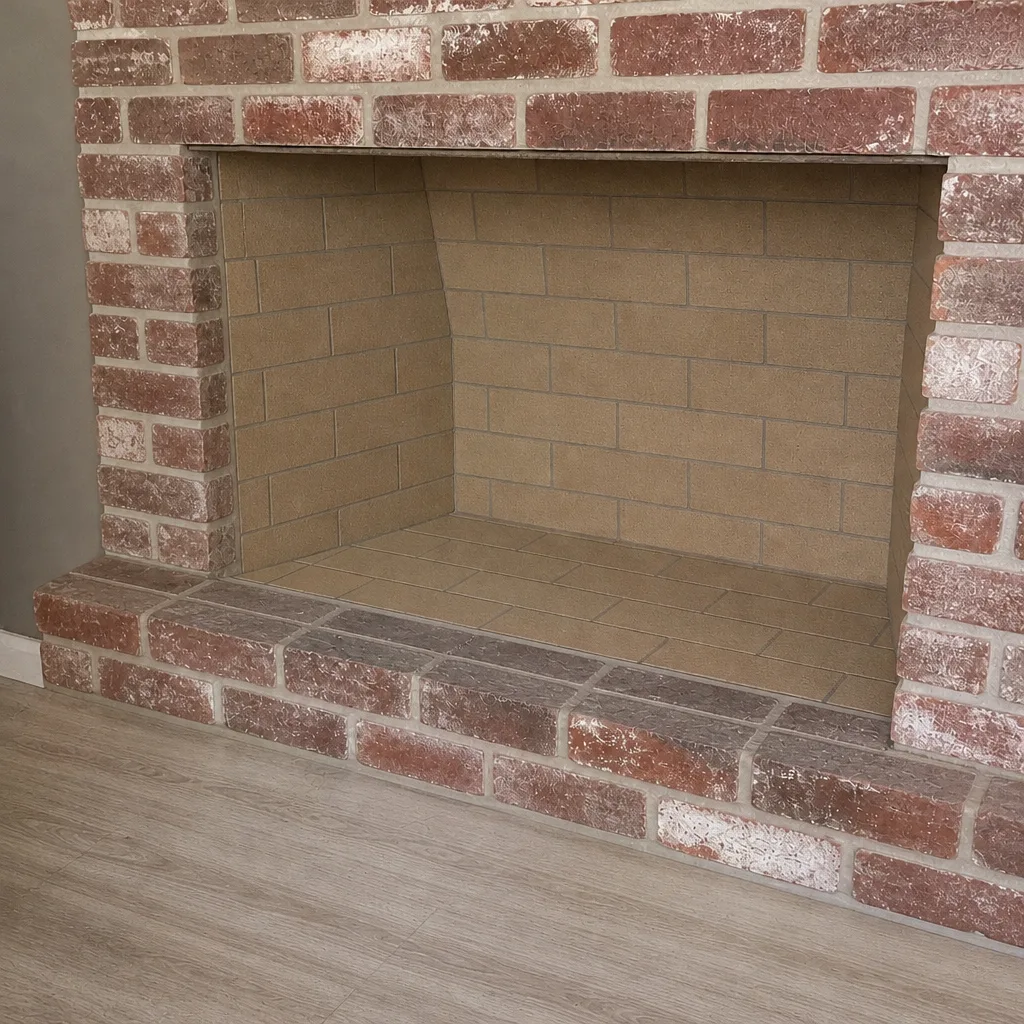
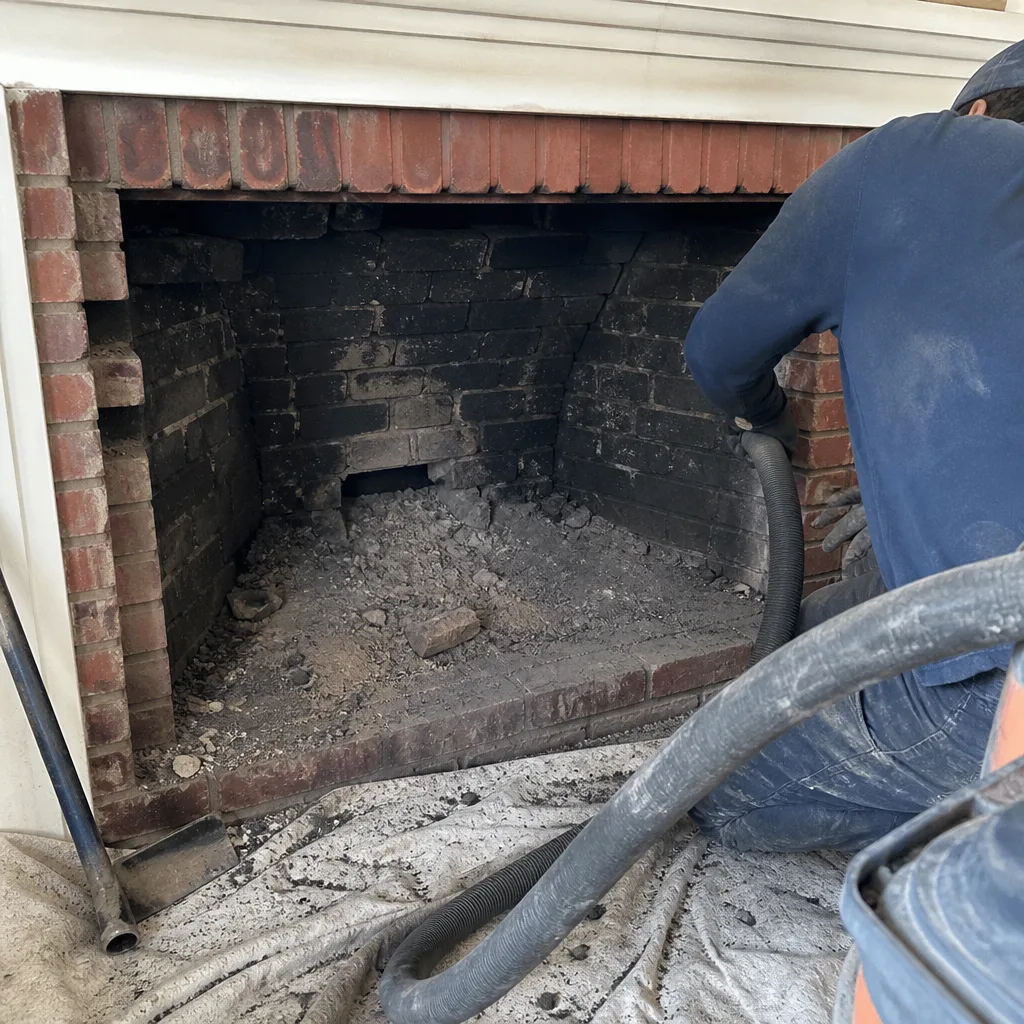
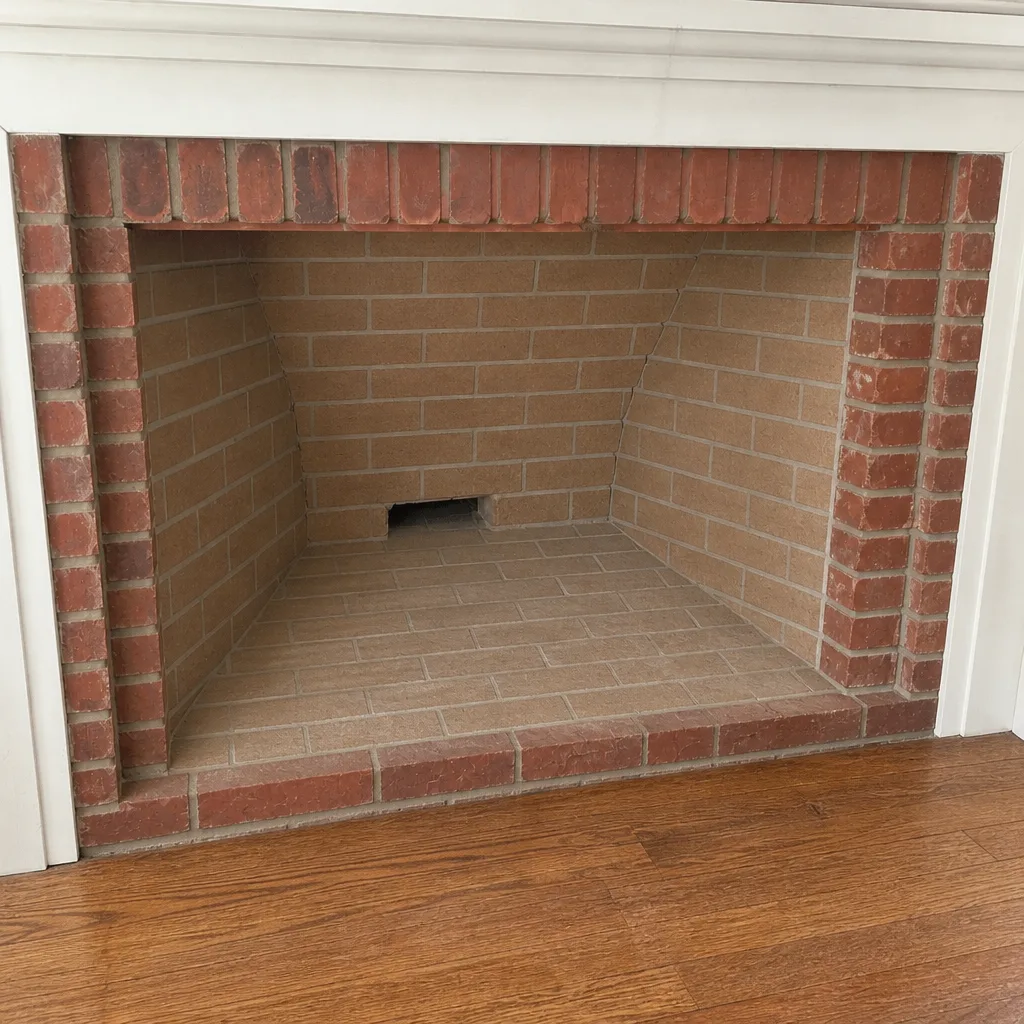
See the difference
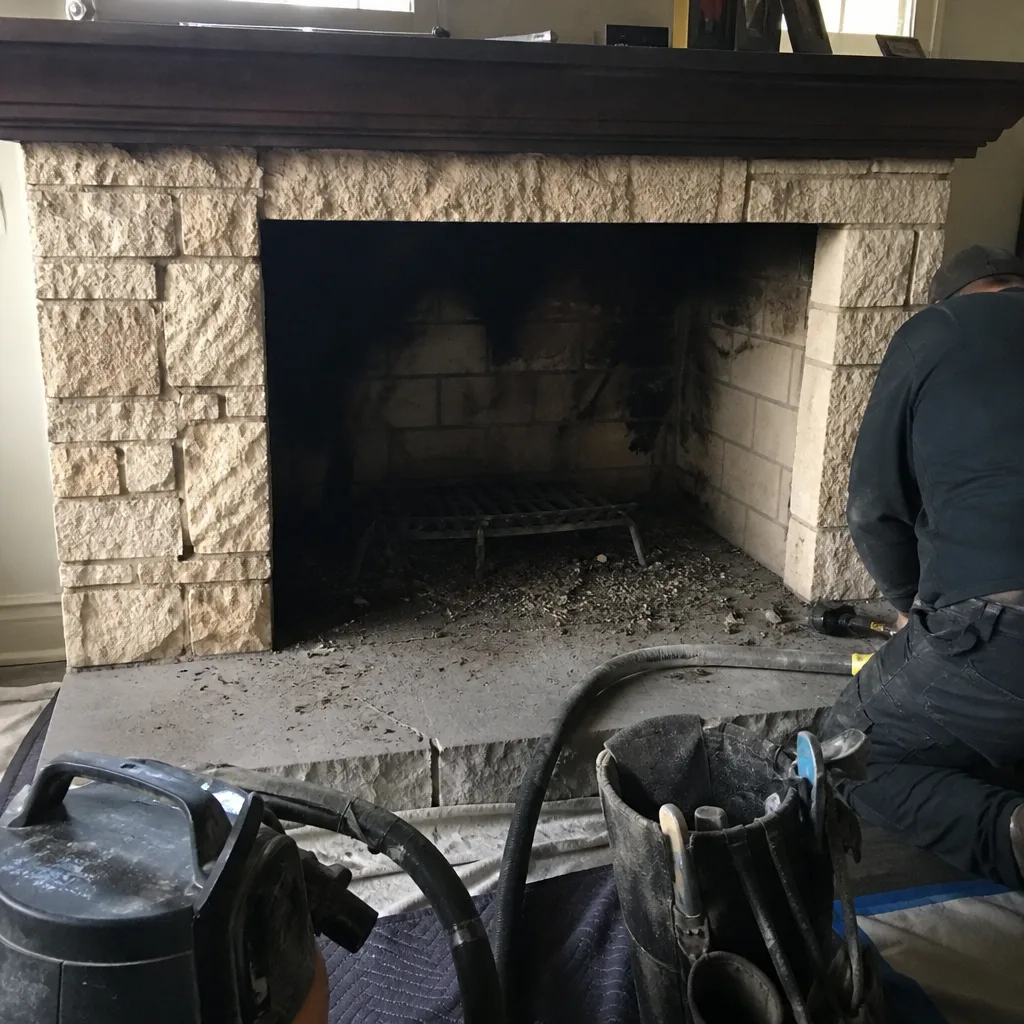 Before
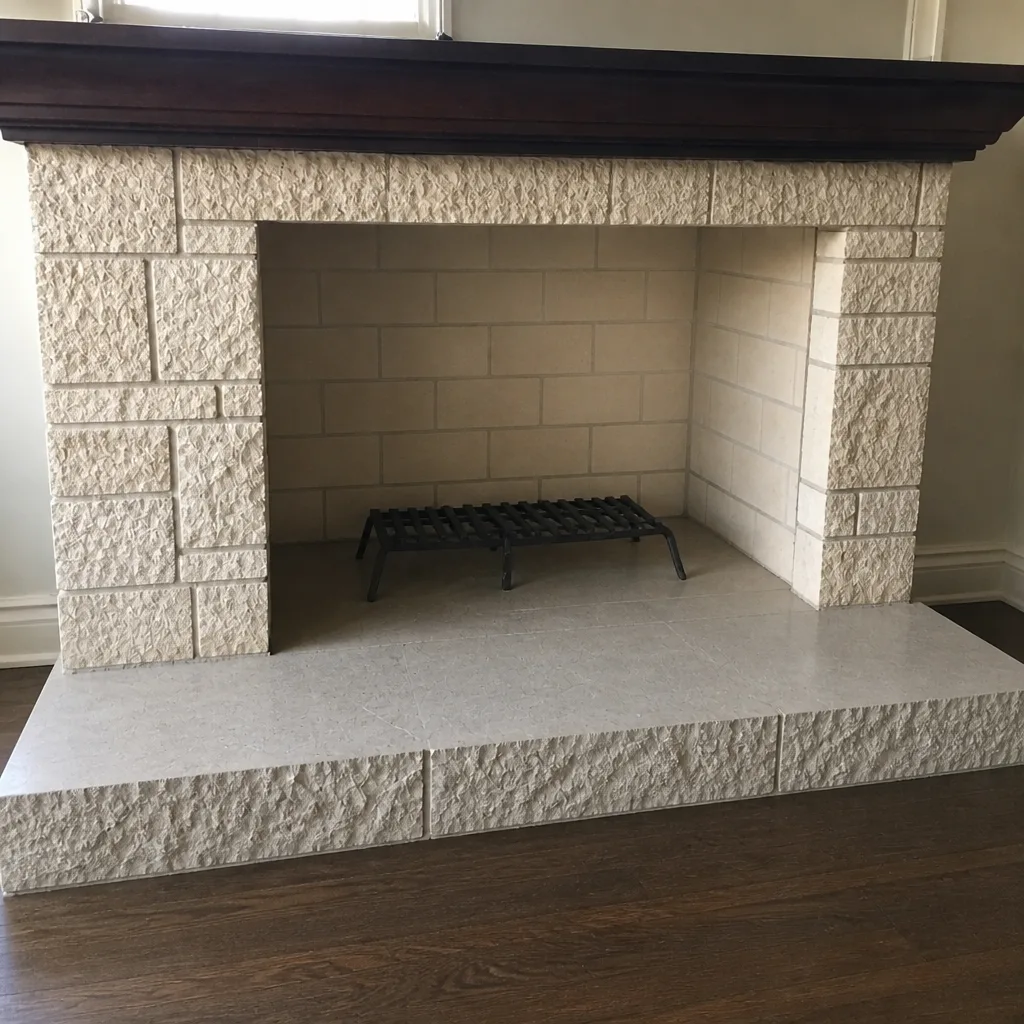 After
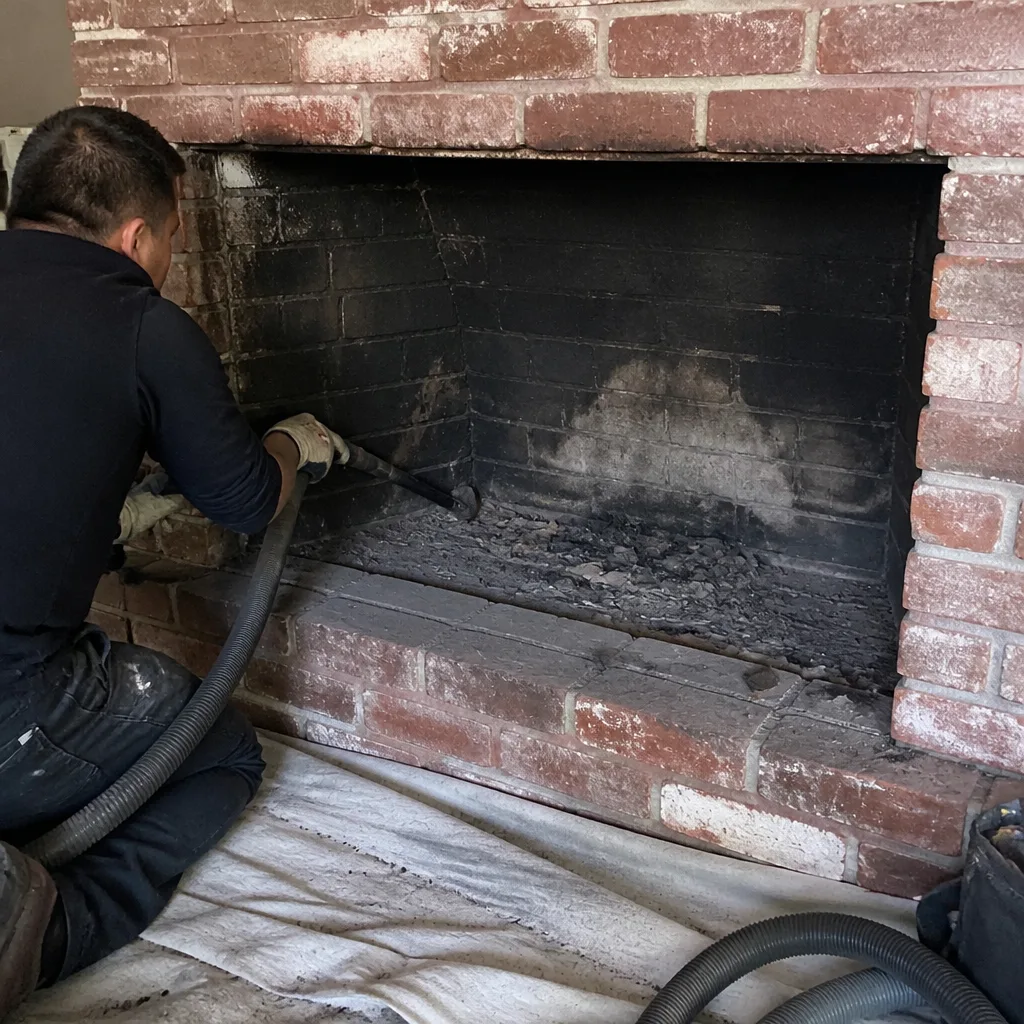 Before
 After
 Before
 After
When to Call a Professional
Chimney work is on the list of things that should never be a do-it-yourself project. The system operates at high temperatures, involves structural repairs at height, and depends on products installed to manufacturer specification. If you’re seeing any of the following, it’s time to have a specialist look at it:
- A cracking or crumbling crown visible from the ground
- Signs of water intrusion around the chimney on ceilings or walls of the room below
- Birds, squirrels, or debris falling into the firebox
- Smoke rolling back into the room when the fireplace is in use
- A chimney that hasn’t been swept in several seasons
- Any change in odor, draft, or visible creosote buildup in the flue
Fountain Valley Chimney Sweep offers free estimates in Fountain Valley – call (855) 337-1702. Our technicians have up to 11 years of experience, and we’ll tell you exactly what we find and exactly what it means, with a camera report you can see for yourself.
Frequently Asked Questions
A standard residential chimney sweep in Fountain Valley typically costs $150 to $300, with the final price set by a written estimate after an inspection of the flue and the appliance type. More involved setups (a second flue, heavy creosote buildup, or appliance service on top of the sweep) may push the price higher, and that estimate is always confirmed before any work begins. Call (855) 337-1702 for an exact quote – estimates are free.
Professional-grade liners like DuraFlex and HeatShield exist because California’s thermal cycling and seismic conditions stress liners in specific ways that off-brand flex liners aren’t designed for. A standard liner will vent the flue, but its lifespan under the same conditions is shorter. If a company can’t tell you the specific product spec they’d install and why, that’s the answer to whether they’re matching liners to your chimney. Call (855) 337-1702 and we’ll walk you through the options before anything gets quoted.
The general industry guidance is once a year for a chimney in regular use, and more often if the appliance sees heavy use or produces significant creosote. A sweep that doubles as an inspection is the right cadence: it catches failing crowns, cap problems, and flue deterioration while they’re still small issues. Call (855) 337-1702 to book a sweep and inspection together.
Creosote accumulates and eventually ignites – that’s the chimney fire risk that matters most in residential chimneys. Separately, small crown cracks and cap problems let water into the masonry, which degrades the structure over seasons. Skipping the sweep doesn’t cause a problem on the day you skip it, which is why it’s easy to keep delaying. Call (855) 337-1702 and we’ll tell you plainly what condition your chimney is actually in.
Yes – ask three specific product questions: which liner product they install, which crown coat product they apply, and which cap brand they stock. Real specialists answer immediately with names and reasoning. Generalists shift to generalities. You don’t need trade knowledge to hear the difference, only to know what questions to ask.
Manufacturer warranties on chimney products typically require installation by a qualified or certified installer using the product manufacturer’s specified methods. Break those conditions and the warranty may not apply. Ask the company to tell you, in plain terms, what the manufacturer requires and how their install meets it. Call (855) 337-1702 if you want to talk through a specific product before you commit to a repair.
The Bottom Line
Brand knowledge is a proxy for service quality. A chimney company in Fountain Valley that can name HeatShield, DuraFlex, Gelco, and Copperfield on request, and explain why each fits a particular job, is operating at a materially higher level than one that sources materials by price and installs generically. Ask the three product questions. Ask for a spec sheet. Ask who installs the repair. Ask to see the camera report before anything gets quoted. A specialist will answer all four without hesitation, and that tells you more about the work than any advertisement could. Call (855) 337-1702 for a free estimate.
Written by the team at Fountain Valley Chimney Sweep.