
Last updated November 25, 2026
 Sweep & inspection
 Caps & crowns
 Flue relining
 Masonry repair
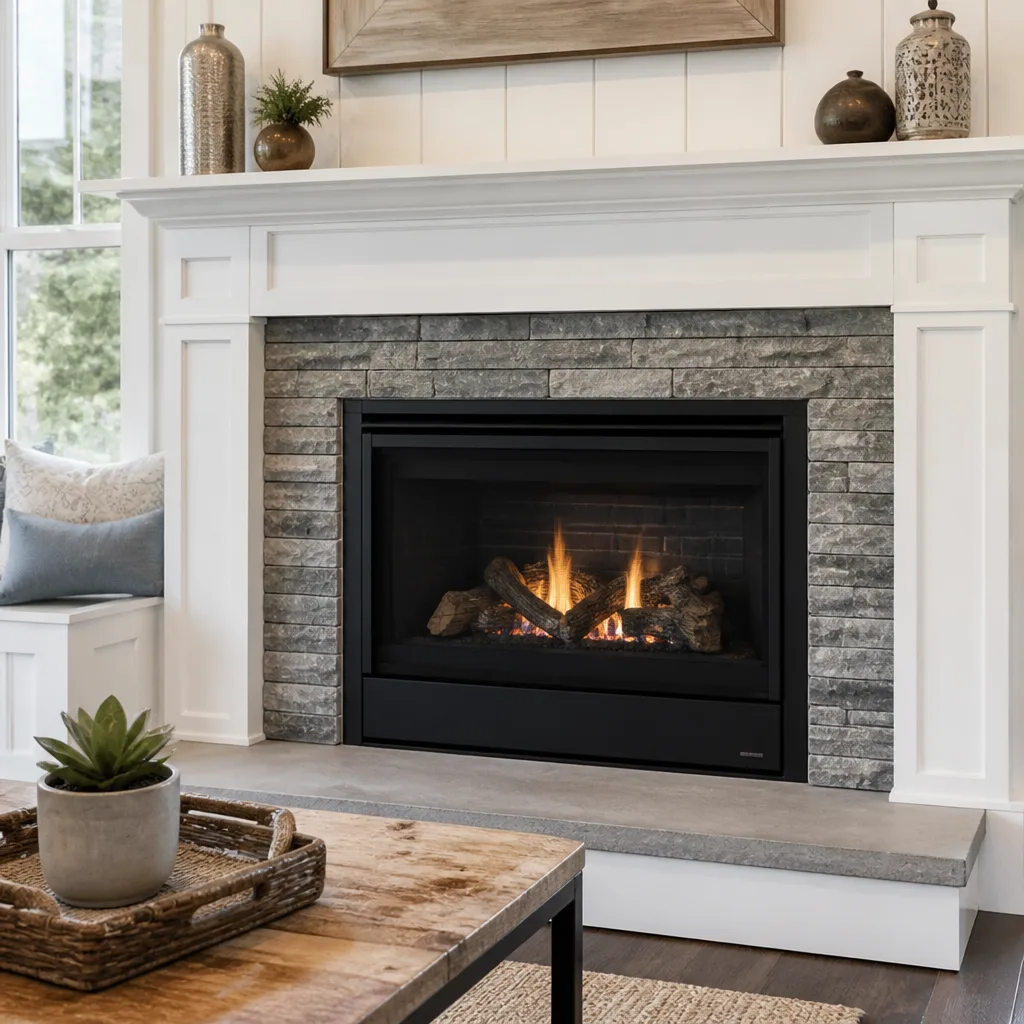 Gas fireplace service
Level 1 sweep and inspection to the NFPA 211 annual standard - flue, crown, cap, and flashing checked and photographed
Chimney sweep logs do not sweep chimneys. They loosen some creosote - which then falls where a brush and vacuum still have to collect it.
Seasonal Chimney Cleaning Care for Fountain Valley: Year-Round Homeowner’s Guide
The advice to clean your chimney before winter was written for places where a fireplace runs hard for months and the cold does most of the damage. A Fountain Valley fireplace used a dozen evenings a year lives a different life. Here, the quiet seasons do more harm than the burning season: moisture works on masonry while the fire sits cold, pests move in during the dry months, and a flue that sat idle since spring meets its first hot fire with a draft that isn’t ready. This guide walks through the chimney year here month by month, so you know what to check, when to book a sweep, and what actually keeps a Fountain Valley chimney sound.
Styles & brands we work with
- Sweep & inspection
- Caps & crowns
- Flue relining
- Masonry repair
- Gas fireplace service
Quick Answer
Chimney care in Fountain Valley works best on a year-round rhythm rather than a single fall cleaning. The post-burn-season months, roughly spring into early summer, are when moisture and pest problems take hold and when an inspection catches damage early; late October is the smart time to book your annual sweep so the flue is clean before the first fire of the season. A clean chimney is the starting point. A safe chimney is the goal.
Table of Contents
- Why Fountain Valley Chimneys Age Differently
- Spring: The Inspection That Matters More Than the Fall One
- Summer: Closing Off Without Trapping Moisture
- Fall: Waking Up a Dormant Fireplace
- Winter: Reading the Signs of Incomplete Combustion
- Why Late October Beats the Generic Fall Advice
- Pests, Caps, and Crowns: The Summer Defense
- Common Mistakes to Avoid
- When to Call a Professional
- Frequently Asked Questions
Why Fountain Valley Chimneys Age Differently
The standard chimney calendar assumes a long, cold winter and a short, wet summer. Fountain Valley runs the opposite way. Our winters are mild, which means the fire gets used lightly and the flue spends most of the year cold. The long warm season is when moisture, dust, and insects have the run of an unused chimney.
A chimney here cycles far less from heavy burning than from being idle. That matters because most of the slow damage we see happens when nothing is happening: water finds its way into porous masonry and freeze-free winters don’t stop it from soaking in and drying out over and over, working mortar joints loose and causing the face of the brick to spall and flake. A chimney that never gets inspected between seasons can lose years of life to a slow trickle and never show a single symptom inside the house until something bigger gives way.
The other Fountain Valley-specific factor is use pattern. Many homes here run the fireplace for a handful of cool evenings and holiday weekends rather than as a primary heat source. That lighter use means less creosote builds up per year, but it also means the flue clears out less often, so what does deposit sits longer and has more time to combine with moisture into a sticky, corrosive glaze. Lighter burning is not automatically safer burning.
That’s why we treat this as a calendar problem, not a once-a-year chore. The right maintenance rhythm for a Fountain Valley chimney is built around the seasons that actually stress it: the dormant warm months and the sudden cold-fire restart in late fall. Get those two windows right and the rest of the year mostly takes care of itself.
Spring: The Inspection That Matters More Than the Fall One
If you only do one chimney task a year, make it a post-season inspection in spring, not a pre-season cleaning in fall. In most of the country, the fall inspection catches what winter did. In Fountain Valley, the spring inspection catches what the coming dry season will do if you don’t get ahead of it. The fire has just gone cold after its last fires, the flue is at its most exposed, and any moisture path that opened over the cooler months is easiest to see before the summer heat bakes it in.
What a proper spring inspection looks for:
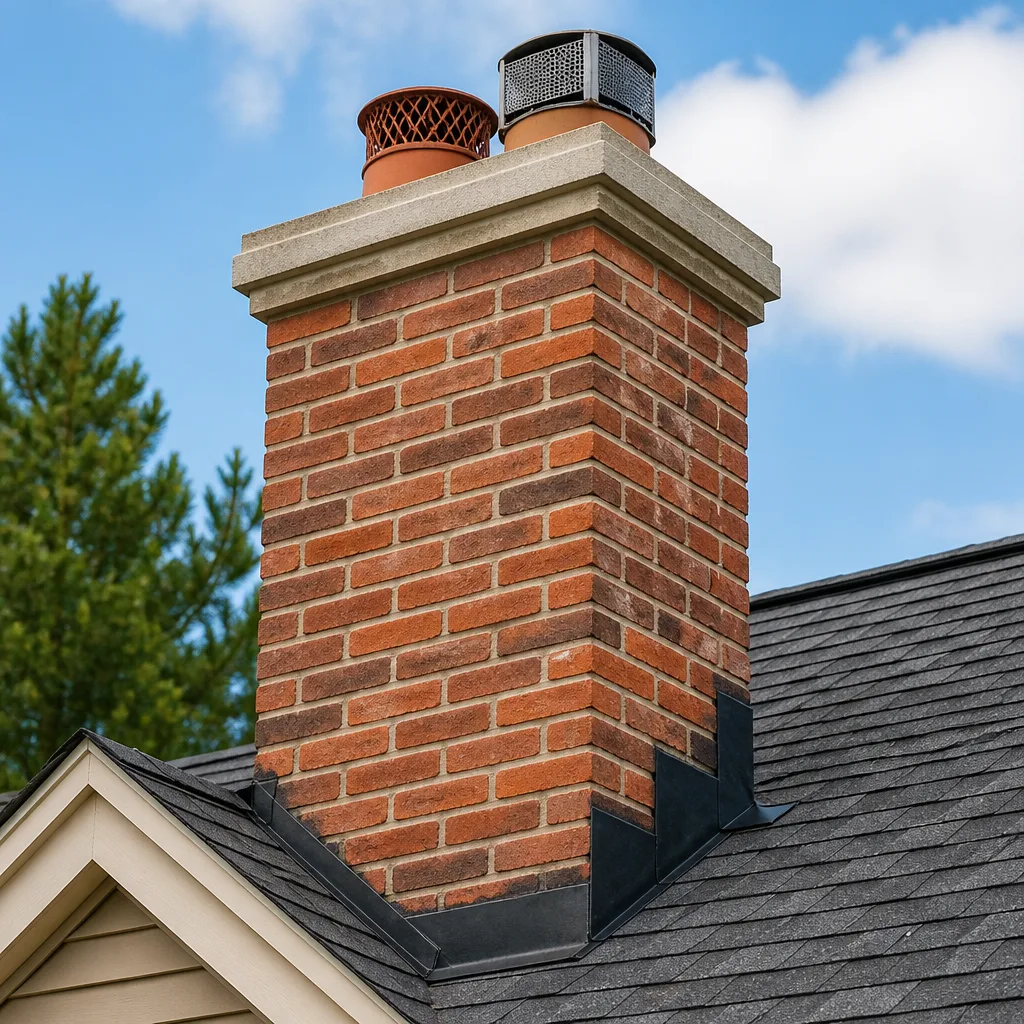
- Masonry spalling. Brick faces that are flaking, chipping, or turning to powder usually point to water soaking in and drying repeatedly. Once the face is gone, the brick underneath is soft and the joint above it starts to fail.
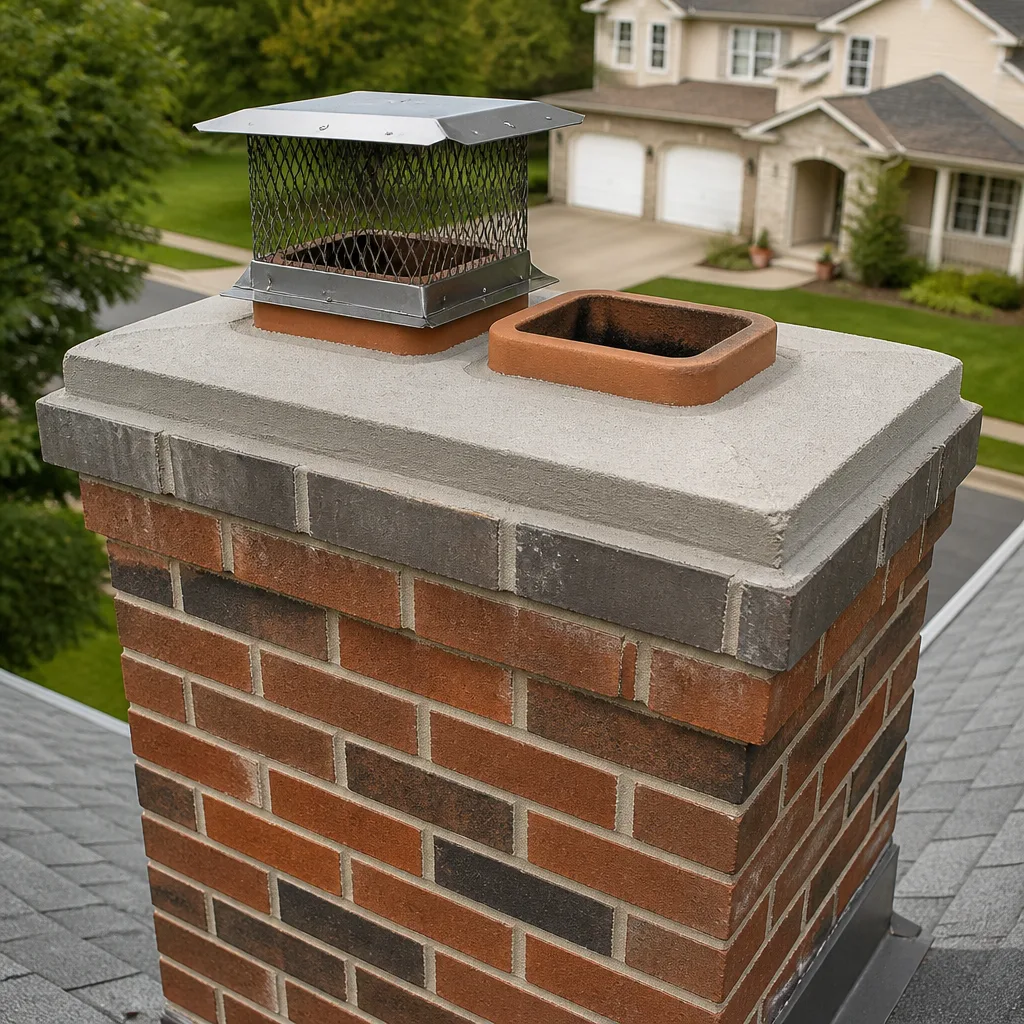
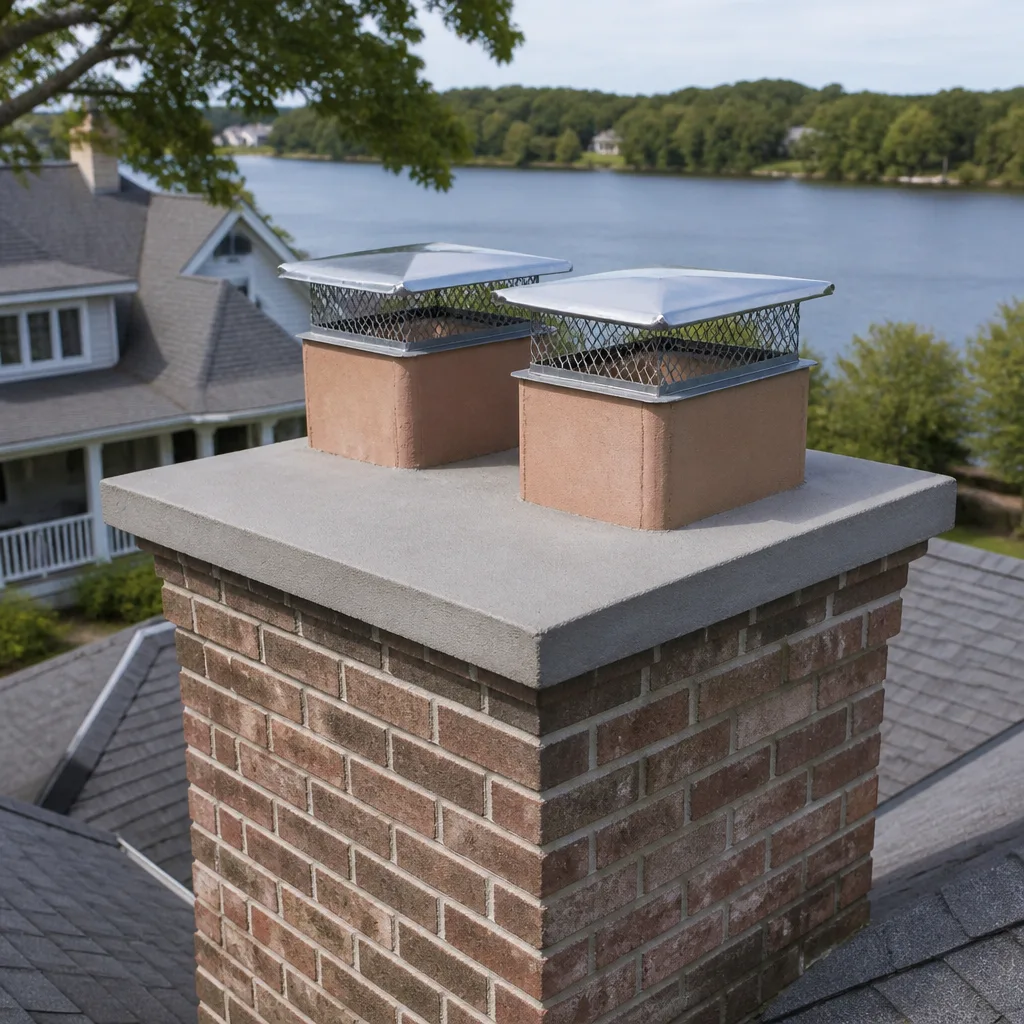
- Crown and cap condition. The crown is the concrete top that sheds water off the chimney. A hairline crack that opens in spring lets water straight into the masonry all summer. The cap is the metal or mesh hood that keeps rain out of the flue and animals from moving in.
- Flue interior. A camera inspection down the flue shows whether glazed creosote, cracked tiles, or gaps in the liner are forming. Catching a glazed patch now is far easier than dealing with it after it has eaten into the tile.
- Draft and airflow. Even in spring, a quick draft check tells you whether the flue is open and running clean or slowly clogging.
This is where professional-grade materials matter. Spring is when cracks get sealed and caps and crowns get set, and the products used then have to last a full hot season without breaking down. We work with brands like Copperfield and Famco for caps and crowns because they’re built for the job, not hardware-store substitutes. A cheap cap that rusts in two years doesn’t protect anything.
Our guidance on chimney repair goes into the structural side of what a spring inspection can turn up. The short version: a spring inspection is cheap insurance against a much bigger masonry bill by winter.
Summer: Closing Off Without Trapping Moisture
Summer is the season most homeowners get wrong, and it’s usually the opposite mistake of what you’d expect. People close the fireplace up to keep pests out, which is smart, but they seal it so completely that the flue stops breathing and the humidity that builds up inside has nowhere to go. A trapped, damp flue is exactly what accelerates liner deterioration.
The goal is a dry, ventilated, pest-proof chimney, not an airtight one. Here’s how we think about a proper summer shutdown:
- Get the sweep done first. Never close up a flue that still has ash or creosote sitting in it. Ash holds moisture against the flue wall; creosote combines with that moisture and turns corrosive. Clean first, seal second.
- Open the damper a crack. A partially open damper lets the flue breathe without leaving the firebox wide open to the room’s humidity. A little airflow is the whole point.
- Close the glass doors, keep the screens. Glass keeps the living room air out of the firebox; the mesh screen inside keeps insects and small pests from finding the firebox as a nesting site.
- Fit a proper top cap. A capped flue is the single most effective summer defense. It keeps rain off the masonry, keeps birds and squirrels out, and still lets the flue vent. We fit caps sized to the actual flue, not a universal mesh cone.
- Check for leaks at the crown. Any crack in the crown means summer rain is running straight into the chimney body. Sealing it before the warm season does more than any seal you’ll put on the firebox.
In our experience in Fountain Valley, the homes that end up with the heaviest liner damage year after year are the ones where the fireplace is fully sealed from May to October. The flue can’t dry out and the interior of the chimney never gets a real airing. Summer dormancy should be dry and quiet, not damp and sealed tight.
Fall: Waking Up a Dormant Fireplace
Here’s the specific risk of a Fountain Valley fireplace: it’s sat unused since maybe February, and then one cool evening in November, someone builds the first fire of the season. The flue hasn’t seen hot gas in eight or nine months. If it’s going to misbehave, it’ll do it right then, on that first fire, and the homeowner is standing in front of it. The fall task, then, is to prepare for that restart.
Work through these steps before lighting the first fire of the season:
- Book the annual sweep. Get the flue cleaned before use, not after the first smoky evening. A sweep clears the summer’s accumulation of dust and any creosote left from last season.
- Test draft with a cold-start burn. Light a small, careful fire with the damper fully open and watch the smoke. If it spills back into the room instead of going up the flue, stop, and have the draft checked before building anything larger. Cold flues draw slowly and a very small starter fire gives the flue a chance to warm and begin to pull.
- Inspect the smoke chamber. The smoke chamber sits above the damper and can collect soot that last season’s fire never burned off. It’s a common cause of a new fire smelling smoky in the room.
- Check the damper operation. Make sure the damper opens fully, closes fully, and doesn’t stick. A partially stuck damper is a top cause of smoky first fires.
- Look at the firebox. Cracks in the firebox brick or a worn firebox hinge are worth catching before the season starts. Our fireplace repair service covers that work, from firebox to liner.
Nothing here demands a full campaign. But the first fire of the year is the one that tests everything, and it’s much better to test it on a small, controlled burn than on a fully loaded grate on Thanksgiving evening.
Winter: Reading the Signs of Incomplete Combustion
Winter is when the fire is actually burning, which means the homeowner is the first responder. The symptoms of incomplete combustion usually show up in plain sight, before they ever reach the level of a hazard. Here’s what to watch for during the use season:
- Smoke coming into the room. A fire that spills smoke, or a room that smells smoky after the fire is lit, means the draft isn’t carrying the smoke up the flue. It’s the clearest sign of a restriction, a closed-down damper, or a cold flue that hasn’t warmed up yet.
- A slow, smoldering burn. A fire that only ever smolders and never gets lively, especially with wet wood, produces more creosote and more carbon monoxide than a hot, active fire. The fix is usually drier wood and an adjusted air supply, not a bigger fire.
- Soot or a black film on the glass and firebox front. That’s the unburned products of combustion settling out. A little is normal; a lot, quickly, is a sign the fire isn’t burning clean.
- Headaches, drowsiness, or a stale smell in the room. Carbon monoxide has no color or smell, but the dizziness, headache, and nausea it causes are the warning. If you ever suspect it, get everyone out and call for help before doing anything else.
- Creosote building fast. Lots of dark, sticky buildup after only a few fires means the fuel or the burn isn’t right.
Winter is also when a chimney fire risk is highest, because that’s when creosote is accumulating in an active flue. A chimney fire can be loud and obvious, or it can be quiet and go unnoticed. The way to keep the risk low is to start the season with a clean, inspected flue; that way the creosote never gets the chance to build into the dangerous range mid-winter.
One more winter point for Fountain Valley: because the season here is mild and short, it’s easy to go several years between sweeps because “we barely used it.” The creosote that does build has the whole off-season to sit and glaze. A quick annual chimney sweep keeps that from happening and takes almost no time out of your year.
Why Late October Beats the Generic Fall Advice
The generic chimney-sweep advice says to book in fall. But fall in most of the country means October, and it assumes a fire that starts burning in October and runs into March. In Fountain Valley, the fireplace typically gets its first real use in November or December, and the season is short. The right time to schedule an annual sweep here is late October: late enough that the summer’s dust and pests have finished their season, and early enough that the flue is clean and inspected well before the first cool evening. Our technicians have up to 11 years of experience between them, and the pattern of busy weeks and quiet weeks is the same year in and year out.
The scheduling advantage is real. Everyone else gets the fall reminder in September and October, so the weeks around the start of November can get crowded. If you’re on a late-October rhythm, you book ahead of that rush and get your sweep done on your schedule, not the scramble. A known week in late October is a far better bet than “sometime before the holidays,” which is how a lot of fireplace owners end up trying to book a turn in the busiest weeks of the year.
And it’s the right time for the work itself. By late October, the summer’s pest activity has quieted down, the roof and cap have taken the dry-season wear they’re going to take, and there’s still time to get any crown or cap work done before the first fires. Book the sweep and the inspection in the same visit if you can. Nothing is recommended without evidence you can see for yourself in a photo report, and if something can safely wait until the spring, we’ll tell you that too.
Pests, Caps, and Crowns: The Summer Defense
Most water damage to chimneys starts at the top. The crown and cap are the two pieces of hardware that keep a chimney alive, and they take a beating. The cap is what most people picture when they think of chimney protection: a metal or mesh hood over the flue. The crown is the sloped concrete shoulder at the very top that pushes water away from the brick below. Both fail quietly and both cause expensive damage when they do.
A few things we look for:
- Birds and small mammals in the flue. An uncapped flue is a ready-made cavity, and nesting season runs through the warm months. A cap with the right mesh keeps them out without blocking airflow.
- Water running down the chimney. A cracked crown lets water track into the masonry and down to the firebox ceiling. That’s how a small $0 repair turns into a crown rebuild, and it’s why crown repair sits at the center of a lot of chimney work we do.
- A cap that’s rusted or tipped. A cap has to sit level and stay attached to do anything. A tilted cap lets rain in at the edge and can trap moisture against the tile.
- Crown-to-flue joints. The joint where the crown meets the flue liner can open up and let water run straight in. That’s a fixable joint; it doesn’t need a new chimney.
We fit caps and rebuild crowns using brands like Famco and Copperfield because these are the specific pieces of hardware that do the real work up top. Get the cap and crown right and you take most of the weather’s leverage away from your masonry. Leave them wrong and every summer season quietly works against you.
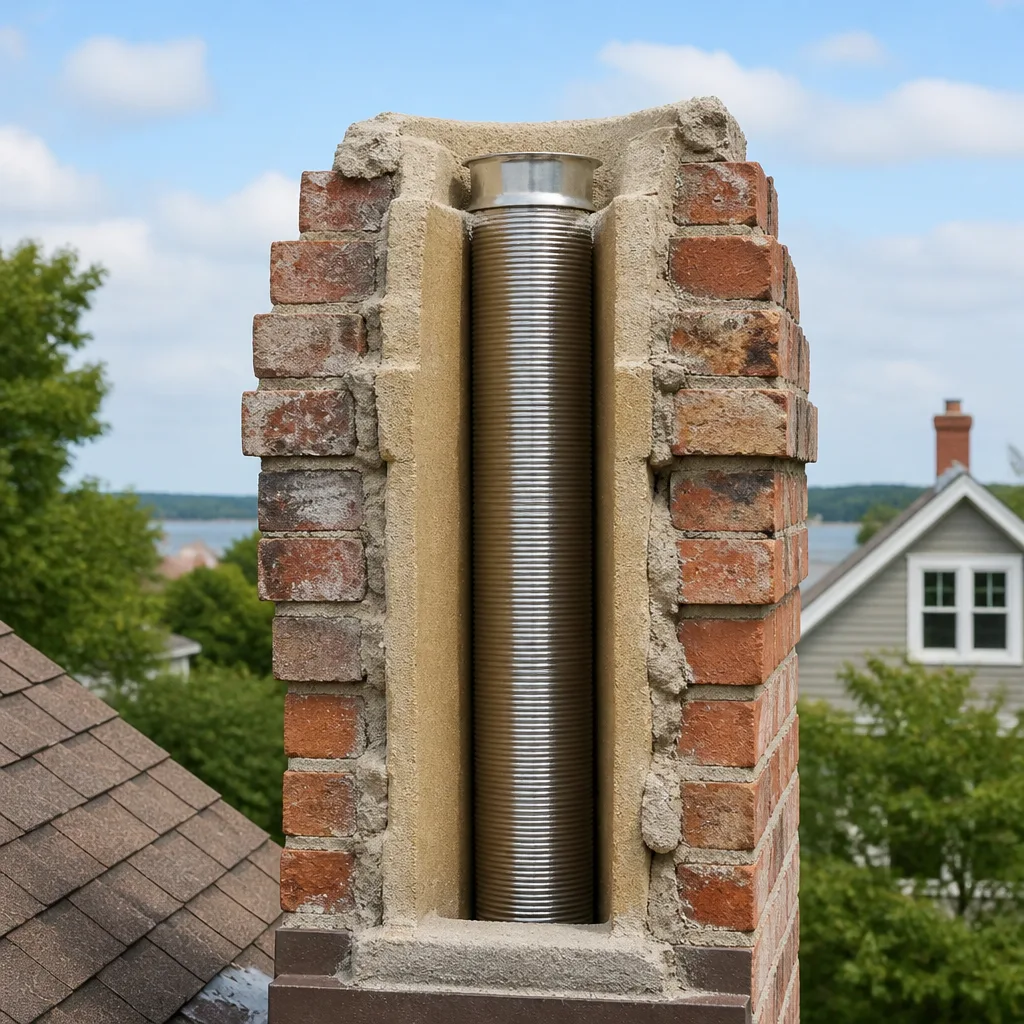
If the flue interior is already showing damage, the fix may be a liner rather than a cap. That’s where a system like DuraFlex comes in; it’s designed to bring a damaged flue back to a safe, code-compliant venting path without rebuilding the whole chimney. We’ll tell you exactly what we find and exactly what it means.
Common Mistakes to Avoid
Some of these we see repeatedly in Fountain Valley; others come up on any chimney, anywhere. Each one costs more the longer it’s ignored.
- Treating fall as the only time to think about the chimney. By the time you book a fall inspection, the spring and summer moisture damage has already happened. An annual sweep timed to late October plus a post-season look in spring catches far more than a once-a-year rush before winter.
- Sealing the fireplace up tight for summer. It’s a common instinct to keep pests out, but it traps humidity in the flue and that’s what damages the liner. Cap the top, keep the flue breathing, and leave the damp air a way out.
- Skipping the spring inspection in favor of the fall one. The fall visit catches what already happened; the spring visit catches what’s about to happen. In Fountain Valley, the spring inspection is arguably the more valuable of the two.
- Building a full fire on the first cold evening. A flue that’s sat idle for months can’t always handle a big fire on day one. Test the draft with a small, careful starter fire and let the flue warm up before you load it.
- Judging the chimney by smell alone. A sweet, acrid, or smoky smell in an otherwise quiet room means something is venting where it shouldn’t. Book an inspection rather than waiting for a smoky evening to confirm it.
- Using a hardware-store cap on a real flue. A universal cap that doesn’t fit the actual top is almost worse than no cap; it can trap moisture and can lift in the wind. The cap has to be sized and seated to the specific flue.
- Taking “we barely use it” as a reason to skip the sweep. Lighter use means less creosote, but also means what builds up sits longer. In a mild climate, that slow accumulation is exactly what glazes and corrodes the liner.
When to Call a Professional
Some chimney checks you can do yourself: a climb up to look at the cap and crown from a safe distance, a look at the damper, a sniff test when you walk past the fireplace in the off-season. But a few situations call for a real inspection, and the sooner the better. Book us if you’ve just moved into an older Fountain Valley home and have no idea when the chimney was last swept; if you see smoke spilling into the room or a regular smoky smell; if you catch water running down the chimney or suspect a damaged crown; if a pest got in despite the cap; or if the fireplace has sat unused for a long stretch and you want confirmation before you light the first fire. We’re a full chimney specialist, not a handyman or an HVAC generalist, so we handle the whole system, firebox to crown. Fountain Valley Chimney Sweep offers free estimates in Fountain Valley. Call (855) 337-1702. We answer 24/7. Fast dispatch from 7am to 7pm, Sunday through Friday.
Frequently Asked Questions
Once a year is the right rhythm for most Fountain Valley homes, timed to late October before the first fires of the season. Even a lightly used fireplace deserves that annual sweep, because light use lets creosote sit longer and it’s the off-season buildup that damages liners. If you burn more often or see a lot of soot, book a fall sweep and a spring inspection together. Call (855) 337-1702 for an exact quote; estimates are free.
Only if the inspection evidence says so, and you should get to see that evidence before deciding. A camera inspection of the flue shows cracks, gaps, or glazed patches; a liner or resurfacing is the fix when those are real, and a good flue can be swept and left alone. We’ll tell you what we find and what it means, and if the work can safely wait, we’ll say that too. Call (855) 337-1702 for an exact quote; estimates are free.
Usually because the flue has gone cold and slow over the dormant months, or because the damper isn’t fully open or the smoke chamber needs a sweep. A small starter fire with the damper fully open is the right way to test draft; if it still spills smoke, stop and get an inspection. Call (855) 337-1702 for an exact quote; estimates are free.
Not airtight. Cap the flue at the top to keep pests and rain out, close the glass doors, but let the flue breathe with the damper a crack open so trapped humidity can escape. A fully sealed flue is exactly the condition that speeds up liner damage. If you’re not sure how your flue vents, ask and we’ll check on the next visit. Call (855) 337-1702 for an exact quote; estimates are free.
Usually a draft problem. Air pressure differences pull smoke down the flue, or leftover soot in the smoke chamber or a partly closed damper lets the smell out. It’s a reason to get a spring or fall inspection rather than ignore it. Call (855) 337-1702 for an exact quote; estimates are free.
Yes, and it’s more important here than the standard “clean it before winter” advice suggests. Our mild winters mean the fireplace is lightly used and the flue sits cold longer, which lets moisture and pests do their work. The local risk window is the dry season and the cold restart, not a hard winter. Call (855) 337-1702 for an exact quote; estimates are free.
The Bottom Line
Fountain Valley’s chimney care doesn’t follow the standard “clean in fall” calendar, because our seasons stress a chimney differently than the North does. The work is in the dormant months: a post-season inspection in spring that catches moisture and masonry damage early, a damp-but-vented summer shutdown that keeps pests out without trapping humidity, and a controlled first burn in fall after a late-October sweep. Winter is the season to watch for smoke, soot, and smolder before they compound into a hazard. Year-round care beats a single rushed cleaning, every time. A clean chimney is the starting point; a safe chimney is the goal. Our technicians have up to 11 years of experience and we work with DuraFlex, HeatShield, Gelco, Olympia Chimney, Famco, and Copperfield to make sure the hardware up there is the real thing.
Whether you’re in Fountain Valley for the first winter in an older home or you’ve been burning the same fireplace for years, we can look at what’s actually happening in your chimney and tell you plainly what it needs. Fountain Valley Chimney Sweep handles the full chimney, from the firebox to the crown, and we’re your starting point. If you need us, the Fountain Valley Chimney Sweep team is one call away.
Call (855) 337-1702 for a free estimate. We answer 24/7. Fast dispatch from 7am to 7pm, Sunday through Friday. The estimate is free, the price is set per job by the written estimate, and you’ll be treated to the full range of what we do as a specialist chimney company, not a generalist. Liner, crown, cap, firebox; if it’s part of your chimney system, it’s our responsibility.
Written by the team at Fountain Valley Chimney Sweep.
See the difference
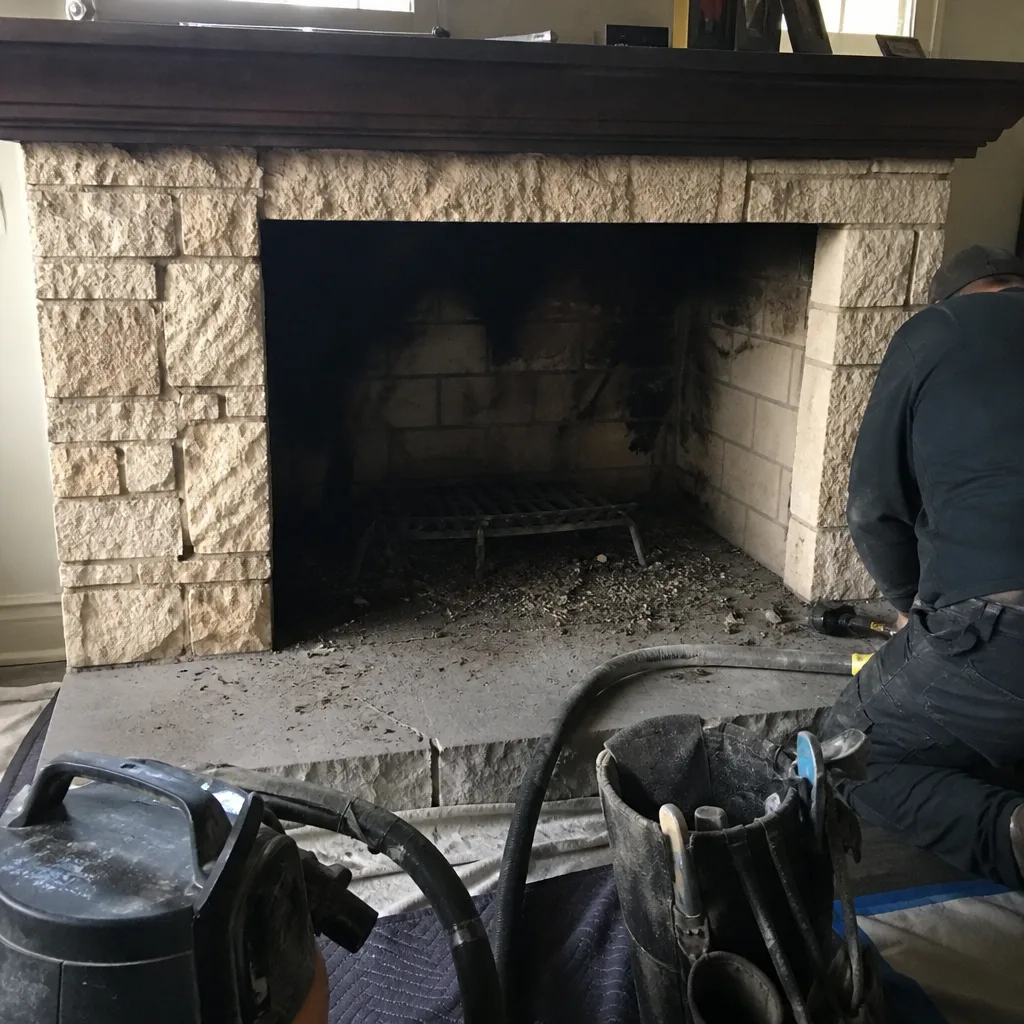 Before
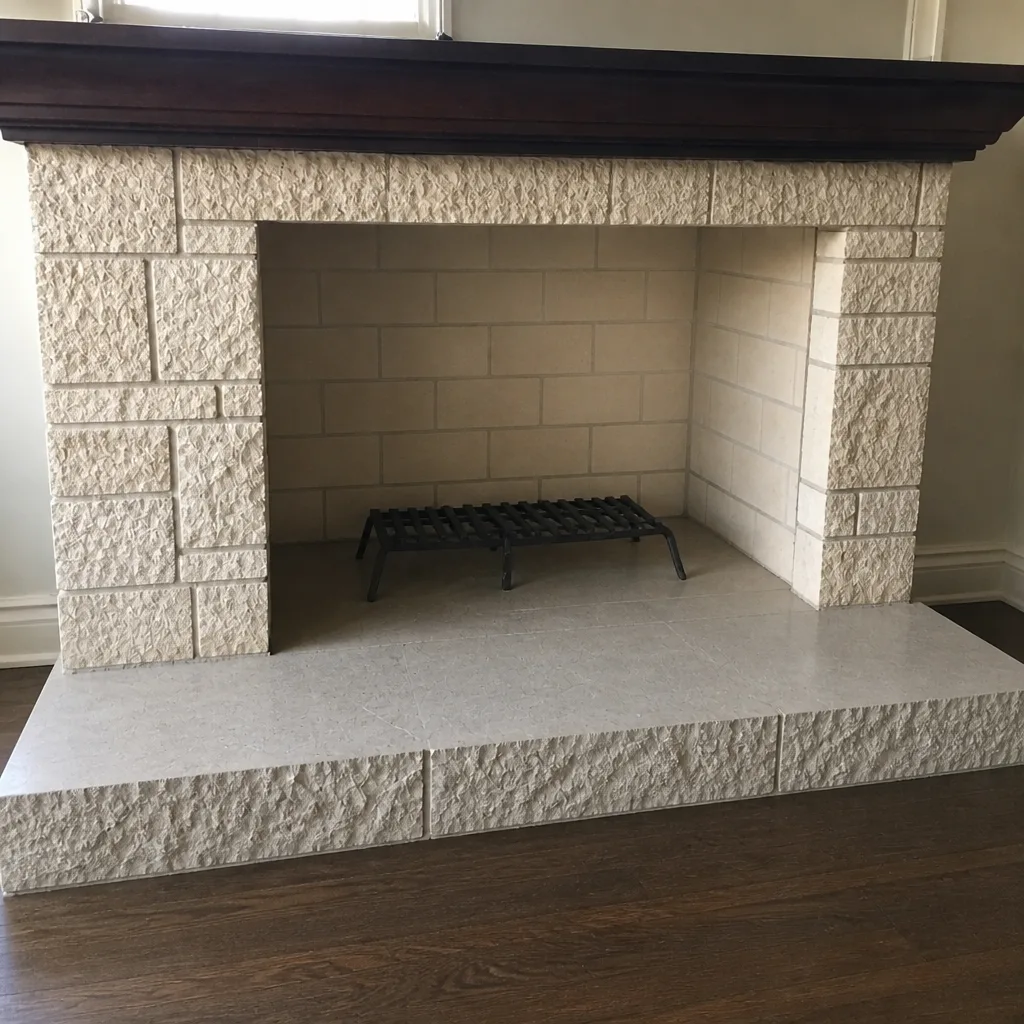 After
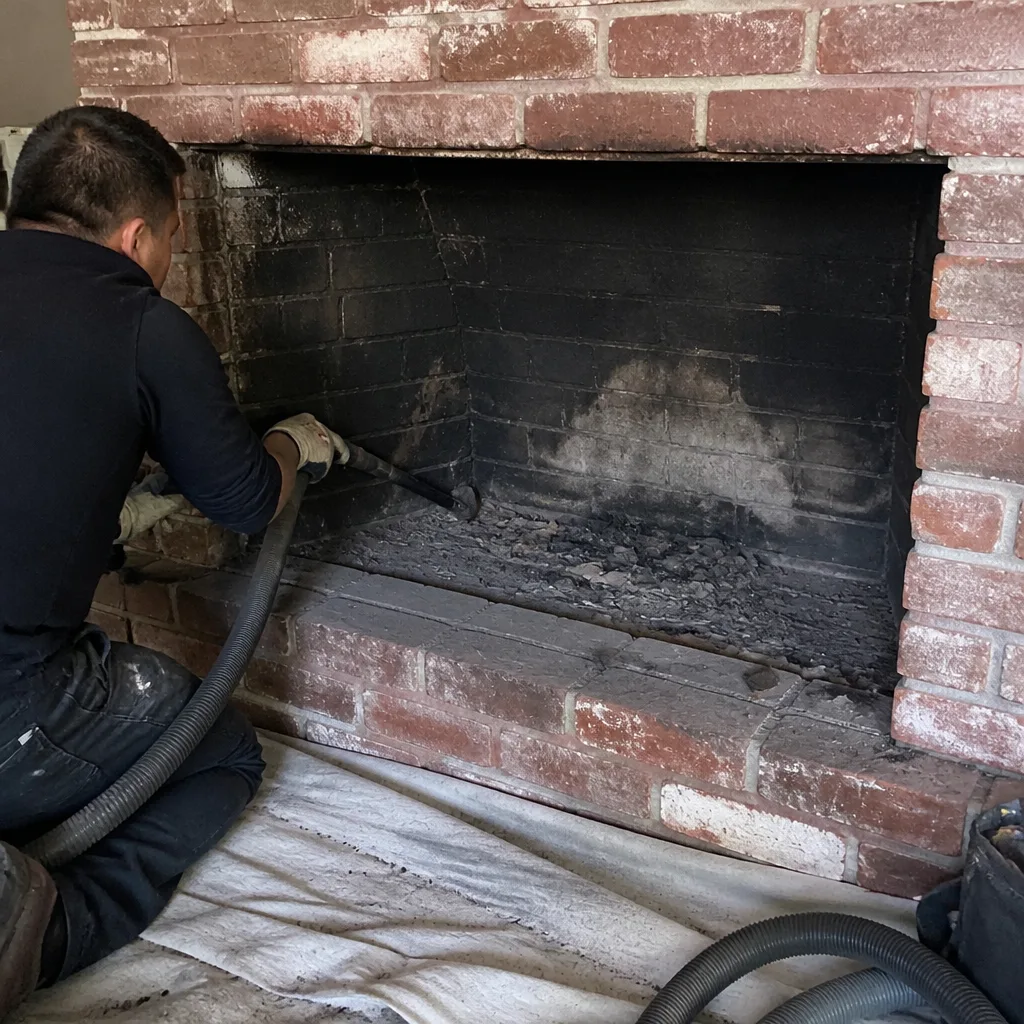 Before
 After
 Before
 After