
Last updated November 25, 2026
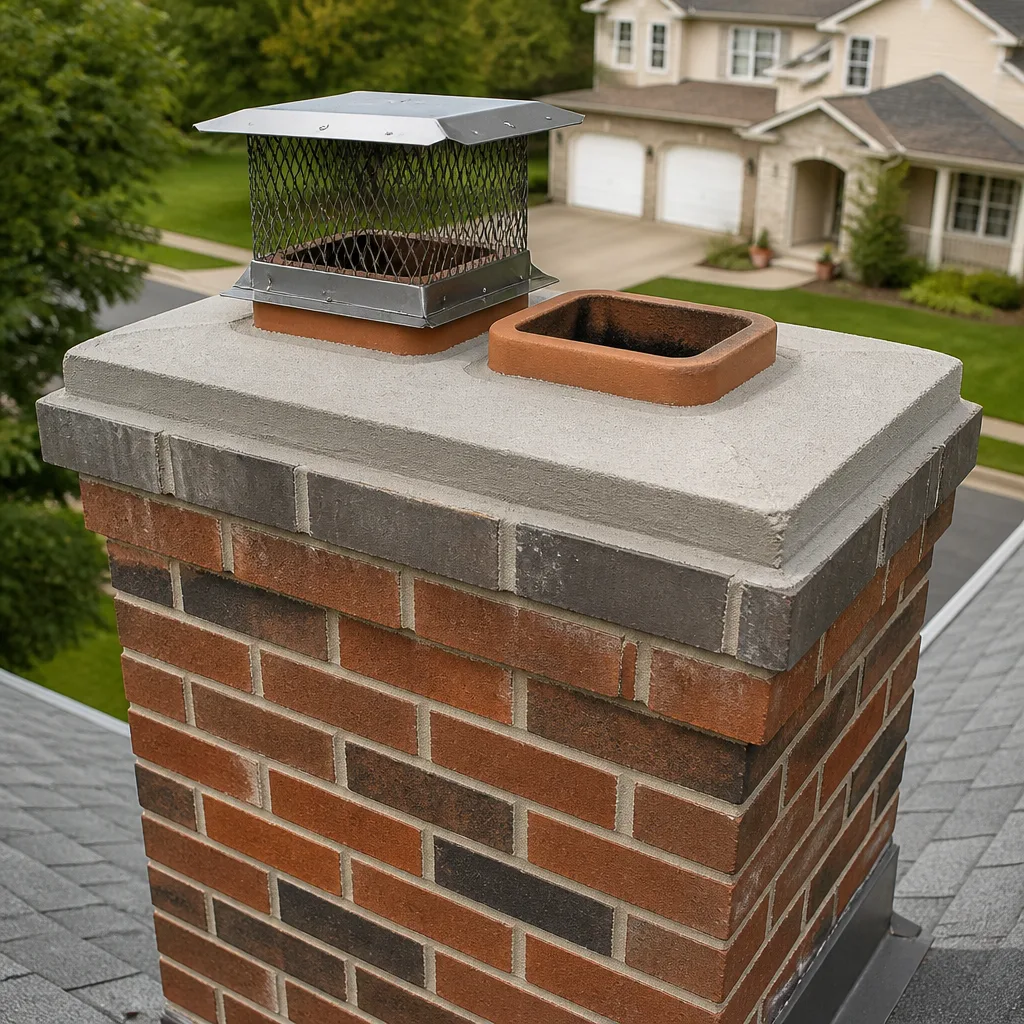 Sweep & inspection
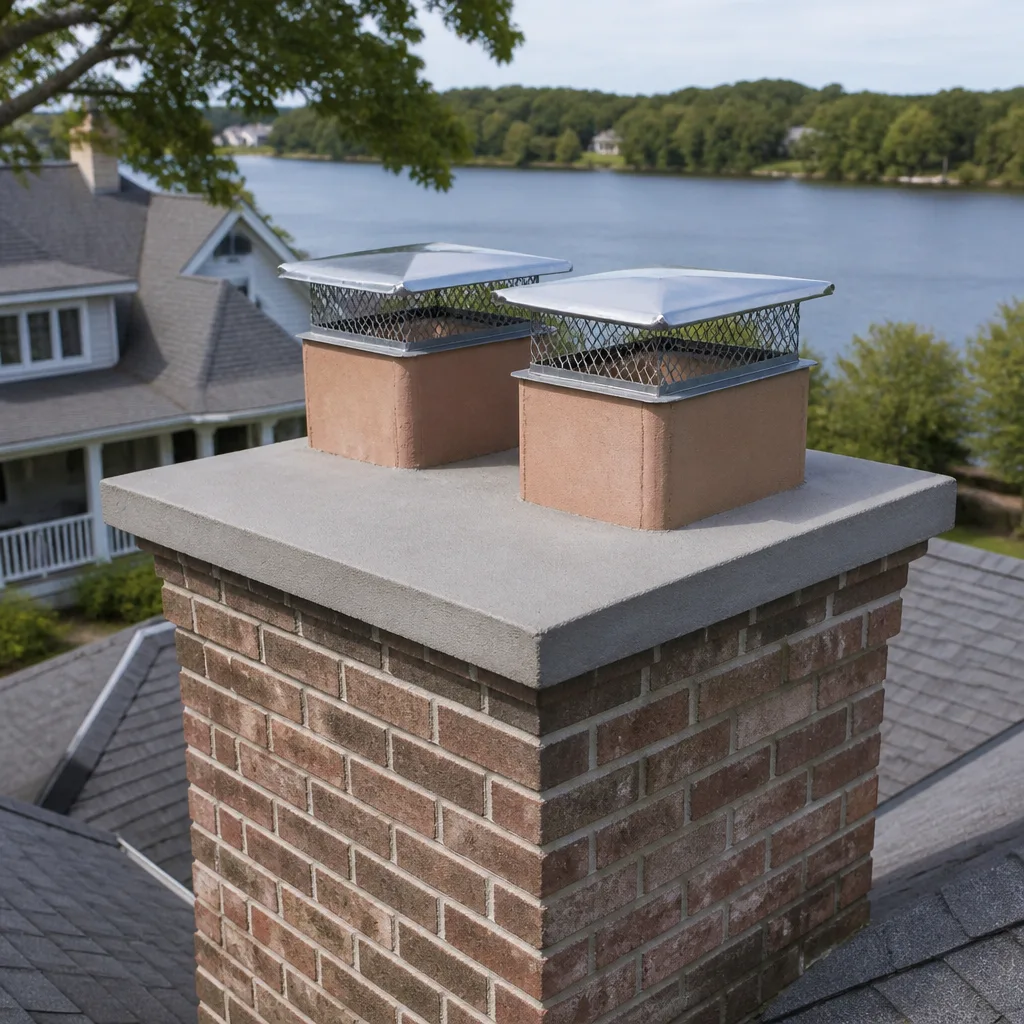 Caps & crowns
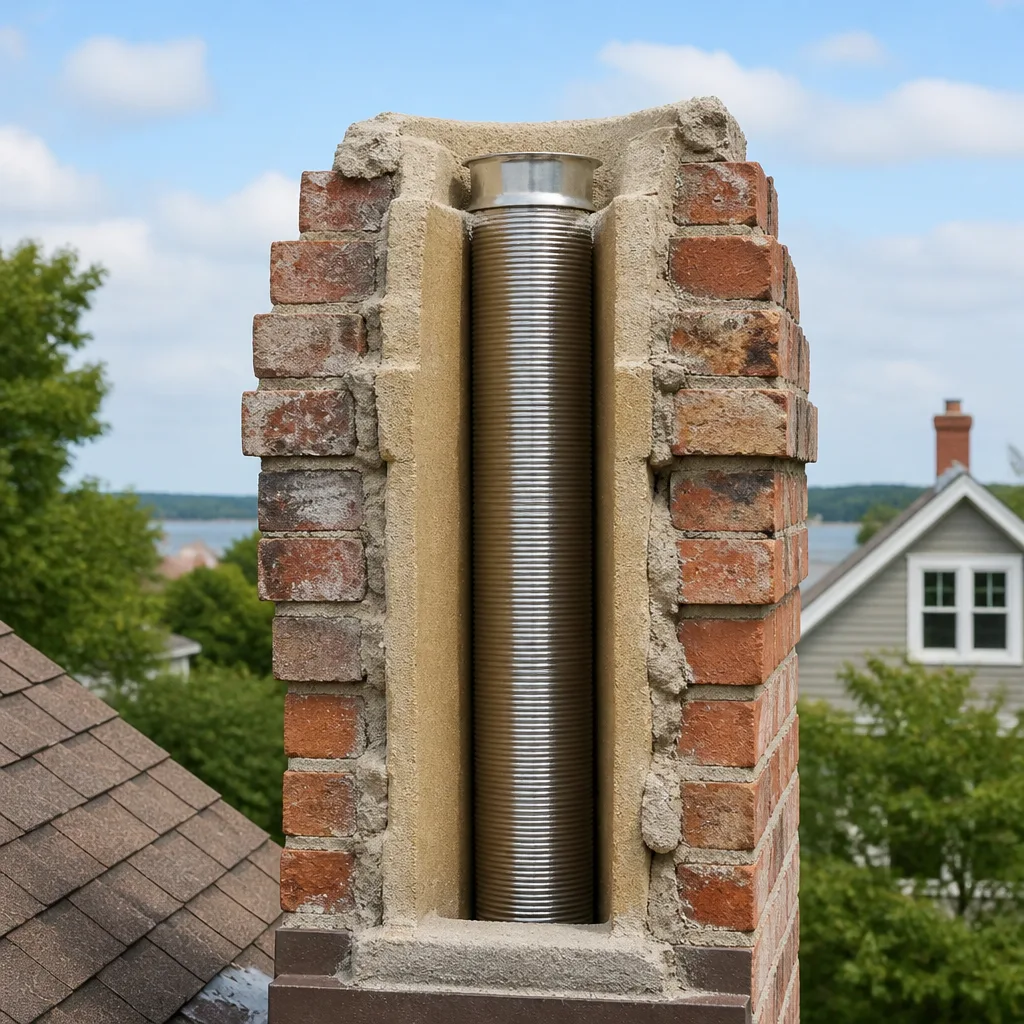 Flue relining
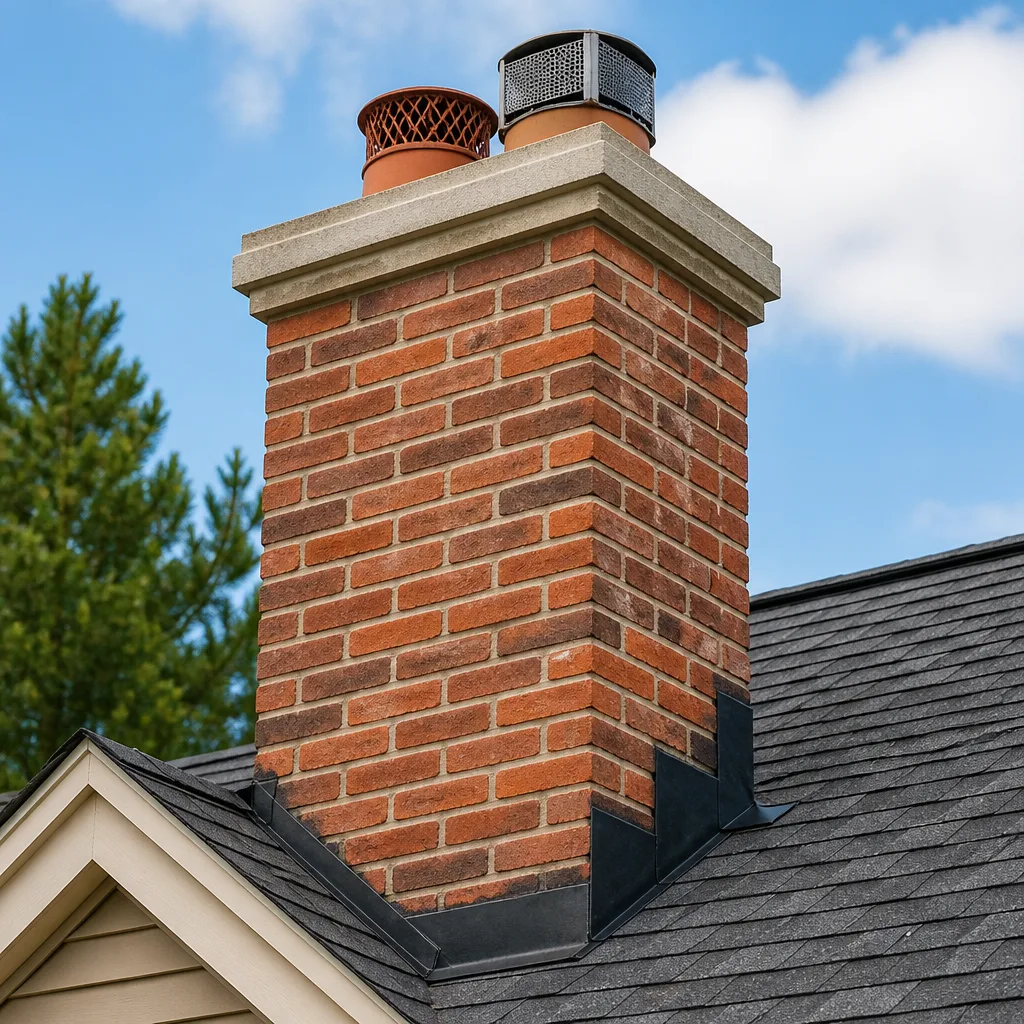 Masonry repair
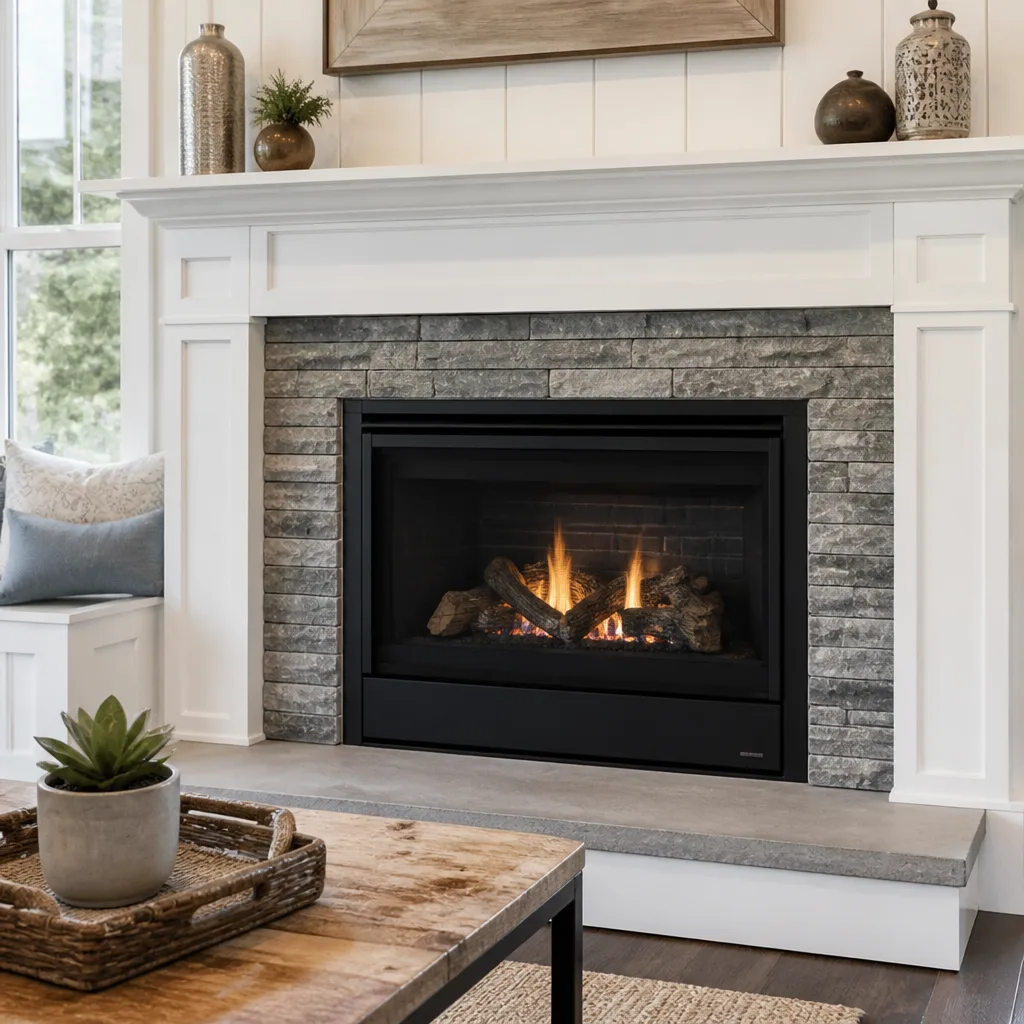 Gas fireplace service
Level 1 sweep and inspection to the NFPA 211 annual standard - flue, crown, cap, and flashing checked and photographed
Chimney sweep logs do not sweep chimneys. They loosen some creosote - which then falls where a brush and vacuum still have to collect it.
Chimney Cleaning Cost Breakdown: The Fountain Valley Homeowner’s Reference for 2026
That $79 sweep coupon in your mailer is not a cleaning. It’s a sales appointment. The price covers a glance down the flue and a quick brush pass, and it’s set low on purpose so the real money can be made on the repairs “discovered” once the technician is on your roof. A $400 visit, on the other hand, might be a fair price for thorough work or an inflated one for the same glance. The total tells you almost nothing. This reference breaks down what actually drives chimney service pricing in Fountain Valley – the tiers, the materials, the legitimate add-ons, and the upsells worth declining – so you can read a quote on its merits.
Quick Answer
A standard chimney sweep in Fountain Valley typically runs $150 – $250, a Level 1 inspection $100 – $200, a Level 2 inspection $200 – $400, stainless liner relining $2,500 – $6,000, and crown repair $300 – $800. A $79 special usually means a visual glance and a brush pass priced to open an upsell conversation, not a full service. The written estimate you receive after an on-site look sets the final price for any job.
Styles & brands we work with
- Sweep & inspection
- Caps & crowns
- Flue relining
- Masonry repair
- Gas fireplace service
Table of Contents
- The Three Price Tiers: What $150, $250, and $400+ Actually Buy
- How Your Liner Material Changes the Bill
- Legitimate Add-Ons vs. Upsells to Decline
- Why Mid-Tier Pricing Isn’t Overpriced
- 2026 Fountain Valley Price Benchmarks by Service
- How to Read a Chimney Quote Line by Line
- How Often a Fountain Valley Chimney Needs Service
- What We’re Actually Checking For – and Why It Matters
The Three Price Tiers: What $150, $250, and $400+ Actually Buy
Chimney cleaning isn’t one product. It’s a range of services that get bundled under the same word, and the price tier tells you how much of that bundle you’re getting. The differences are real, not cosmetic. Here’s what each tier actually includes in a Fountain Valley home.
The $150 tier: a basic sweep
This is a straightforward cleaning of an open masonry fireplace. A technician brushes the flue, removes soot and creosote from the firebox and damper area, and does a visual check of what’s visible. It fits a home with a clay-tile flue that’s been swept regularly, low to moderate use, and no known problems. If your chimney has been neglected for years or you’ve never had it looked at since buying the house, this tier is a starting point, not a complete answer.
The $250 tier: sweep plus proper inspection
Mid-tier pricing typically pairs the sweep with a Level 1 inspection: a full visual exam of the accessible portions of the chimney, firebox, damper, and cap, with a written report on condition. This is the tier most Fountain Valley homeowners actually need, especially in older housing stock where a flue may have been adapted for a newer appliance or where prior repairs are unknown. The sweep cleans; the inspection tells you what you’re living with. Both should show up in the price.
The $400+ tier: full-service visit with diagnostics
Higher-tier visits add a Level 2 inspection, which means a camera run through the flue to look for cracks, gaps, and separation in the liner that a visual check can’t reveal. It’s appropriate when you’ve had a chimney fire, when you’re buying a home, after an earthquake, or when the liner material or appliance has changed. The camera work and the report take real time, and the price reflects that. If a quote at this level doesn’t include actual camera footage you can see, ask why.
How Your Liner Material Changes the Bill
The liner inside your flue affects both the cleaning time and what a repair will cost if a problem turns up. Three materials are common in Fountain Valley homes, and each behaves differently.
- Clay tile liner: Standard in mid-century construction. Durable, but the joints between tiles can crack or separate over time, and each tile section is a potential weak point. Cleaning is usually quicker; repairs can mean relining if the tile bed is compromised.
- Stainless steel liner: A flexible or rigid metal liner, often a DuraFlex system, installed inside the existing flue. Cleans well, resists cracking, and is the go-to for appliance upgrades and long-term reliability. Repair cost depends on whether the liner itself needs replacement or just its connections.
- Cast-in-place liner: A poured or sprayed refractory lining. When intact, it cleans easily. When deteriorated, resurfacing with a HeatShield system can restore the interior without a full tear-out, which is a different, often lower-cost path than relining.
Why does this matter for a quote? A technician who has to spend extra time on a cracked clay flue, or who discovers deteriorated mortar during a sweep, is looking at a repair that ranges from a few hundred dollars to several thousand. Knowing your liner material before the visit lets you judge whether a recommendation is proportionate. It also tells you whether the company quoting you actually handles that kind of work – a sweep-only shop may refer out any liner job, which is where costs and quality get harder to control.
Legitimate Add-Ons vs. Upsells to Decline
The moment a quote includes extra line items, the question becomes: is this real, or is this the coupon working as designed? Some add-ons are necessary maintenance. Others are sales pressure dressed as safety. Here’s how to tell them apart, especially when a recommendation lands the same day as the sweep.
Add-ons worth saying yes to
- Chimney cap replacement: A missing or damaged cap lets rain, birds, and debris into the flue, and it’s one of the most common causes of water damage in a chimney. If the cap is rusted through, loose, or absent, replacing it is a real fix – not a scare tactic. Gelco and Copperfield caps are standard professional-grade options.
- Crown repair: The crown is the concrete top that sheds water away from the chimney. A cracked crown lets moisture into the masonry, and repairing it early is cheaper than rebuilding later. If the crack is visible and the recommendation includes photos, take it seriously.
- Liner resurfacing or relining: Only legitimate when there’s evidence – camera footage, visible cracking, or a documented gap. Ask to see it.
Recommendations to slow down on
- “Your whole chimney needs rebuilding” with no images or inspection report behind it.
- A crown application sold as urgent when the damage is cosmetic and can wait a season.
- Liner replacement recommended before any camera inspection has been performed.
- Any total that grows significantly between the initial quote and the day of the visit, without new evidence.
Our rule is simple: we’ll tell you exactly what we find and exactly what it means, and nothing gets recommended without evidence you can look at yourself. A same-day cap or crown recommendation from a qualified company isn’t automatically a red flag – but a same-day major repair with no proof behind it should make you pause.
Why Mid-Tier Pricing Isn’t Overpriced
Two quotes can differ by $100 on the same chimney and both be legitimate. The difference usually comes down to what the company is actually carrying into the job: proper equipment, real insurance, and disposal costs that don’t show up on the invoice.
A proper sweep requires industry-grade brushes, vacuums with HEPA filtration to keep soot out of your home, drop cloths, and a way to haul away debris. Disposal itself has a cost. Insurance and licensing, when the company carries them, are baked into the price too. A professional-grade liner like DuraFlex or a Gelco cap costs more than a hardware-store substitute, and a company that installs them is pricing the material, not just the labor.
What’s missing from a suspiciously cheap quote is usually one of those things. A $79 sweep can be a legitimate loss-leader – but the company has to make money somewhere, and that somewhere is the repair it finds. When you’re comparing quotes, ask what’s included in equipment, inspection scope, and written report. A $250 quote that covers a sweep, a Level 1 inspection, and a report is often the better value than a $150 quote with no inspection and no paper trail. In our experience, the mid-tier visits are the ones where homeowners get real information, not just a cleaner flue.
2026 Fountain Valley Price Benchmarks by Service
These are typical estimated price ranges for the Fountain Valley market. The written estimate after an on-site look sets the final price; these are benchmarks for comparing quotes, not exact quotes themselves.
| Service | Typical Estimated Range | When It Applies |
|---|---|---|
| Standard chimney sweep | $150 – $250 | Routine cleaning, open masonry fireplace, regular use |
| Level 1 inspection | $100 – $200 | Visual exam with sweep; yearly maintenance |
| Level 2 inspection | $200 – $400 | Camera inspection; home sale, chimney fire, appliance change |
| Stainless liner relining | $2,500 – $6,000 | Cracked or failed liner, appliance upgrade |
| Crown repair | $300 – $800 | Cracked concrete crown, water intrusion |
| Chimney cap replacement | $200 – $600 | Missing, rusted, or damaged cap |
A few notes on reading this table. Liner relining is the widest range because it depends on flue height, liner type, and whether an existing liner needs to be removed first. Crown repair varies with the extent of the crack and whether the crown can be patched or needs to be rebuilt. Cap replacement is usually the smallest line item and the one with the clearest payoff, since a cap is the cheapest way to keep water out of your chimney.
If a quote comes in well below these ranges, ask what’s excluded. If it comes in well above, ask what justifies the premium. Either answer can be legitimate – but you should get one.
How to Read a Chimney Quote Line by Line
A written quote should let you see exactly what you’re paying for. Use this sequence when a company hands you an estimate for a chimney sweep in Fountain Valley:
- Check that the sweep and the inspection are separate line items. If they’re bundled into one number with no breakdown, ask what each covers.
- Confirm the inspection level. Level 1 is visual. Level 2 includes a camera. The quote should say which one you’re getting.
- Look for a written report requirement. A proper visit produces a document describing what was found, not just a verbal summary.
- Separate the diagnosis from the repair. Repairs should be quoted against specific findings – cracked crown, failed liner section, missing cap – not as a generic “chimney repair” line item.
- Ask what’s excluded. Disposal, permits, and material upgrades can change the total. Get them named.
- Confirm the price is a written estimate, not a verbal one. Verbal ranges aren’t binding. Get the number in writing before work begins.
If any of those lines is missing, ask for it before you sign. A company that handles the full chimney – sweep, inspection, cap, crown, liner – can quote the whole thing coherently. A sweep-only company that refers out repairs is where the line-by-line review gets murky, because you’re dealing with two companies and two quotes. We handle the full chimney from the firebox to the crown, so the estimate you receive covers what’s actually needed, without a handoff.
How Often a Fountain Valley Chimney Needs Service
How often you need a sweep depends on how much you burn, not the calendar alone. A household that lights the fireplace most winter evenings will build up creosote faster than one that uses it a few times a season. The general rule is an annual inspection, with a sweep whenever the creosote layer reaches about a quarter-inch. A technician can measure that during a visit.
Fountain Valley’s mild winters mean many fireplaces see lighter use than in colder climates, so some homes can go a couple of seasons between sweeps. That’s not a free pass to skip the inspection. A flue that sits unused still collects debris, and a chimney cap that has come loose lets birds and rain in regardless of whether you’ve lit a fire. We’ve seen neglected chimneys in Fountain Valley that looked fine from the roof and had real liner damage underneath.
Homes using a wood stove or insert should be checked more often, since those appliances run hotter and produce more creosote per burn. If you’ve recently moved into an older Fountain Valley home and don’t know its service history, an inspection is the place to start – it establishes a baseline and tells you when the next sweep is due. Our chimney sweep page explains what a visit covers.
What We’re Actually Checking For – and Why It Matters
A sweep is the starting point; a safe chimney is the goal. Two hazards drive that distinction, and both are worth understanding.
The first is creosote. It’s the residue that builds up on flue walls as smoke cools, and it’s flammable. In sufficient quantity it can ignite, and a chimney fire can damage the liner without the homeowner ever knowing it happened. The second is carbon monoxide. A blocked or damaged flue can let combustion gases back into the living space instead of venting them outside. Both are reasons to have the chimney looked at by someone who knows what they’re checking for, not to panic about a chimney that’s in good shape.
That’s why we treat inspections as the diagnostic foundation before any repair recommendation. Camera footage and a written report let you see what we see. When a problem turns up, we tell you what it is, what it means, and whether it can safely wait. Some issues can wait a season; a cracked crown or a failed liner section usually shouldn’t. If you’ve had a chimney fire, notice a strong creosote smell, or see staining on the masonry, those are reasons to schedule an inspection rather than a routine sweep.
If a repair is needed, the scope matters. Cap and crown work addresses water intrusion and wildlife entry. Chimney repair covers the masonry and structure. And Fireplace repair handles the firebox, damper, and hearth side of the system. Liner, crown, cap, firebox – if it’s part of your chimney system, it’s our responsibility, and professional-grade materials like HeatShield resurfacing and DuraFlex liners are what we use for the parts that last.
Common Mistakes to Avoid
- Booking on price alone. The lowest quote is often the one with the most upsell room built into it. Compare what’s included, not just the bottom line.
- Accepting a major repair quote with no evidence. If a liner replacement or crown rebuild comes with no camera footage or photos, ask for it before you agree.
- Skipping the inspection because the sweep looked clean. A clean flue can still have cracked tile joints or a loose cap. The inspection is what catches those.
- Putting off a crown or cap repair. Water damage to masonry compounds. A small crown crack patched early is far cheaper than a rebuild later.
- Hiring a generalist handyman for chimney work. Chimney systems have their own codes and materials. A company that handles liner and masonry-level work is a different caliber than a sweep-only operation.
- Ignoring a chimney fire. Even a small one can damage the liner. Get it inspected afterward rather than assuming it’s fine.
- Assuming a coupon covers what you need. A $79 special is a starting point. Confirm what it includes before booking.
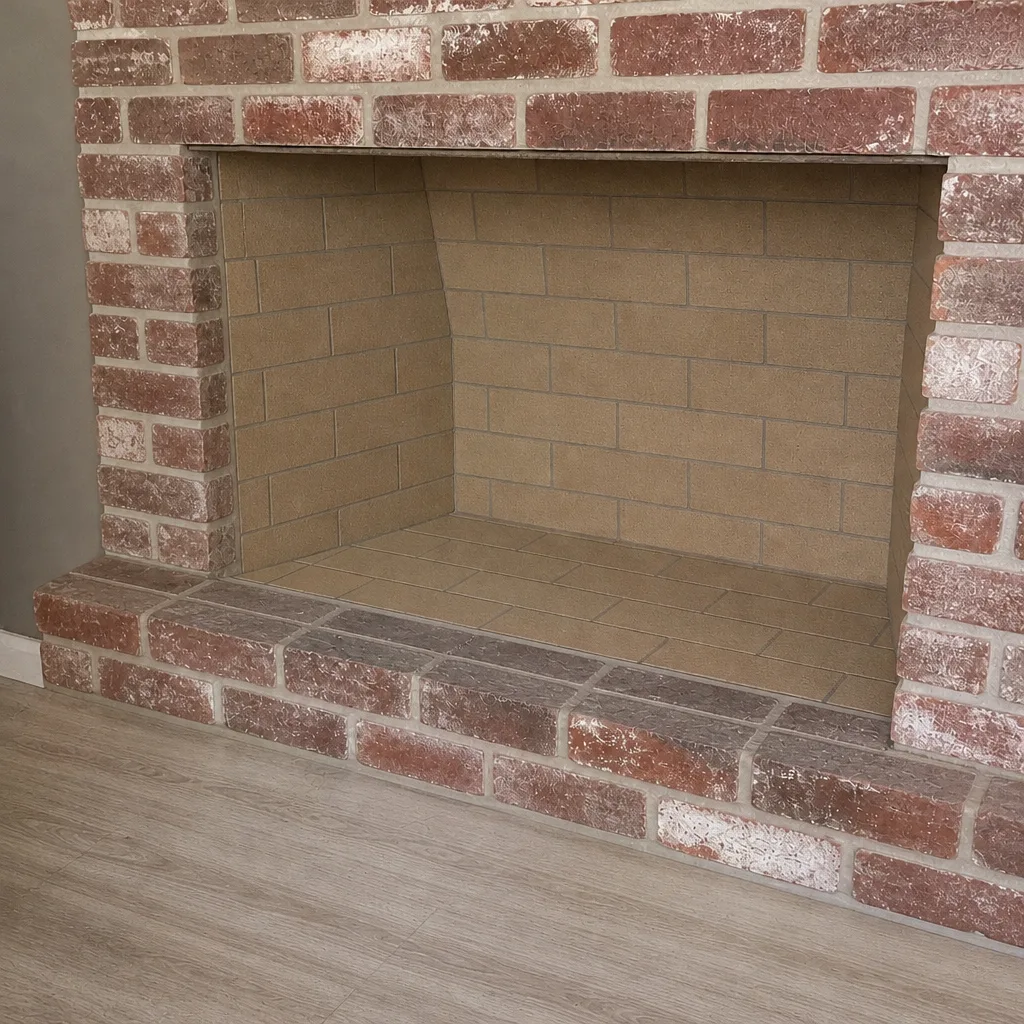
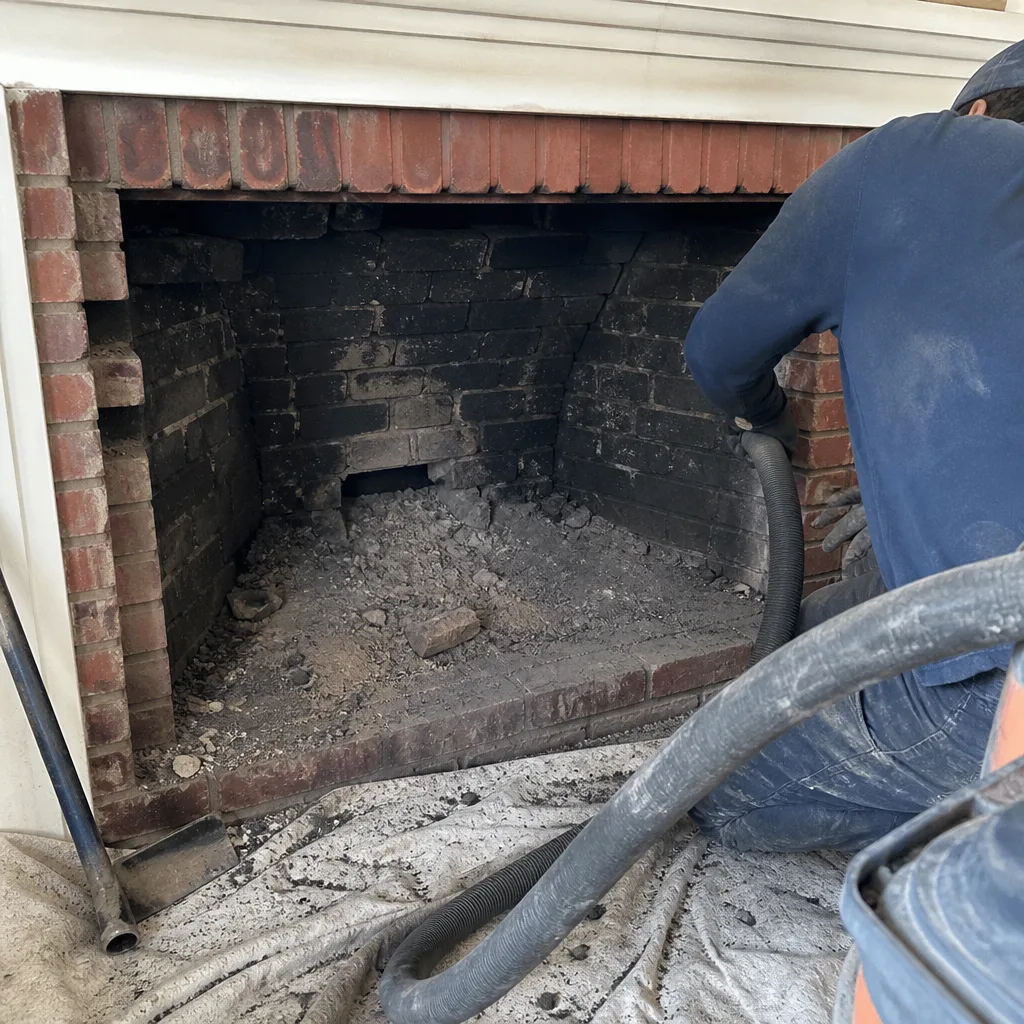
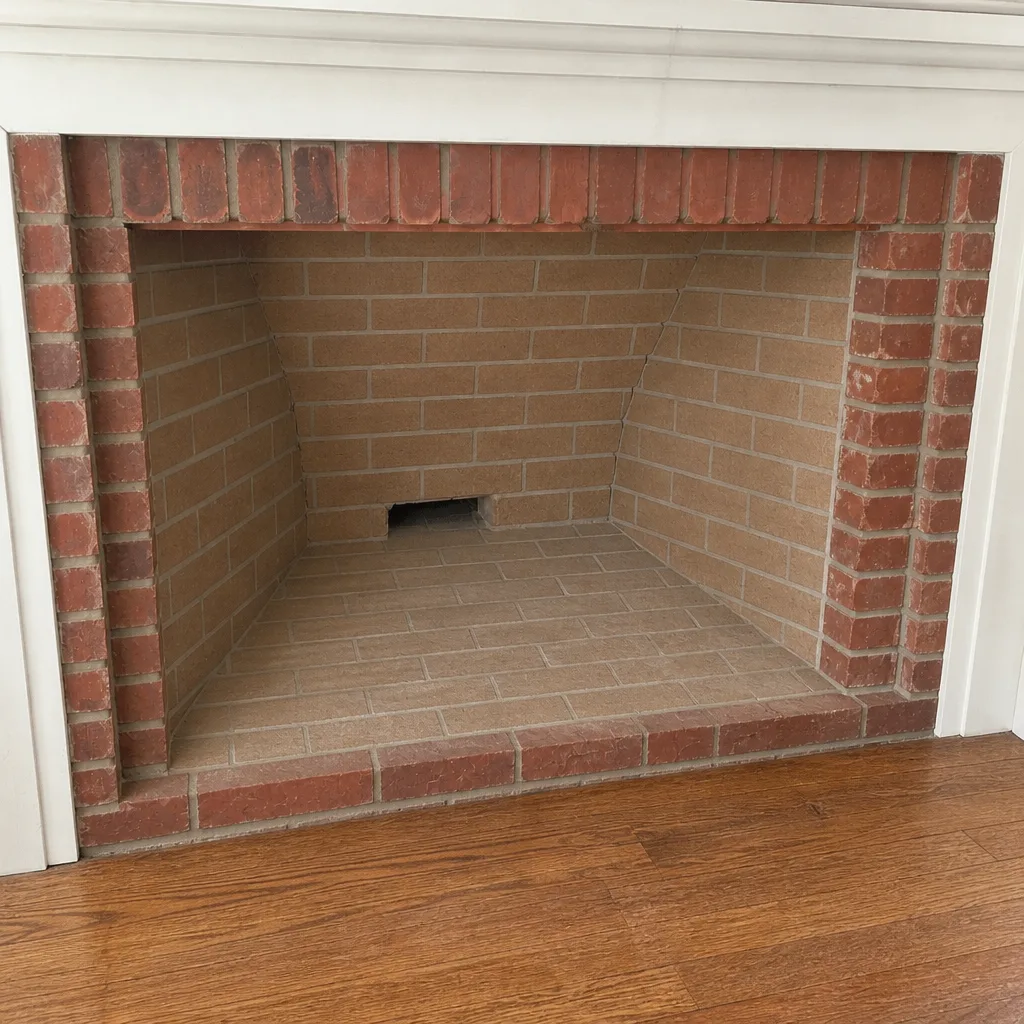
See the difference
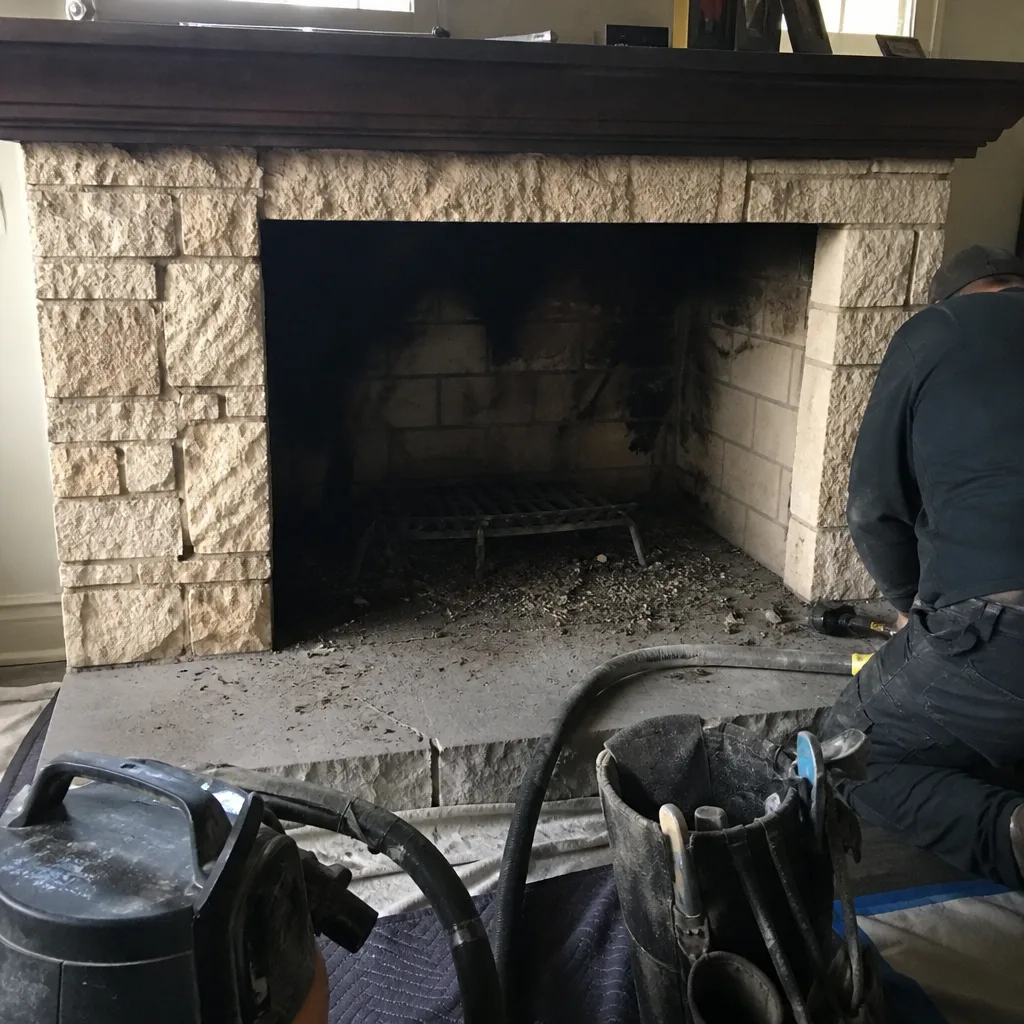 Before
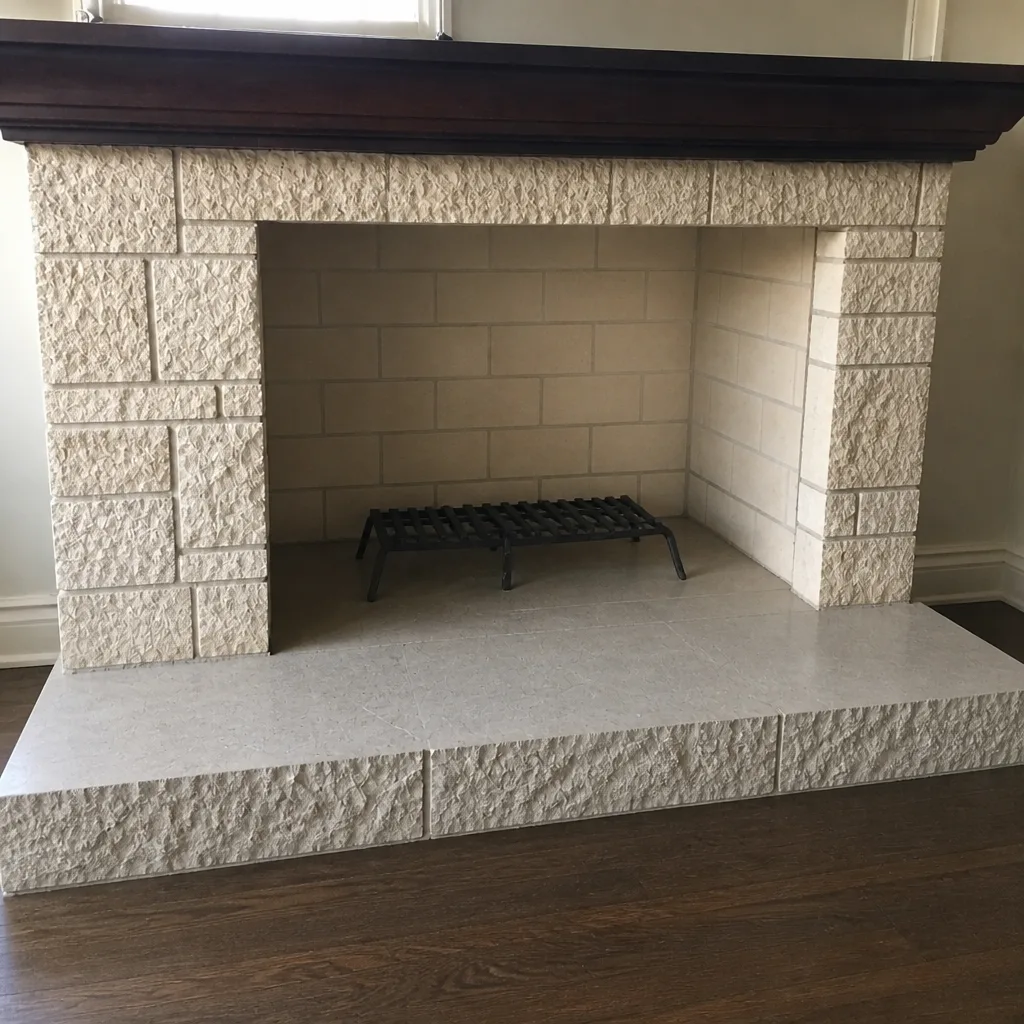 After
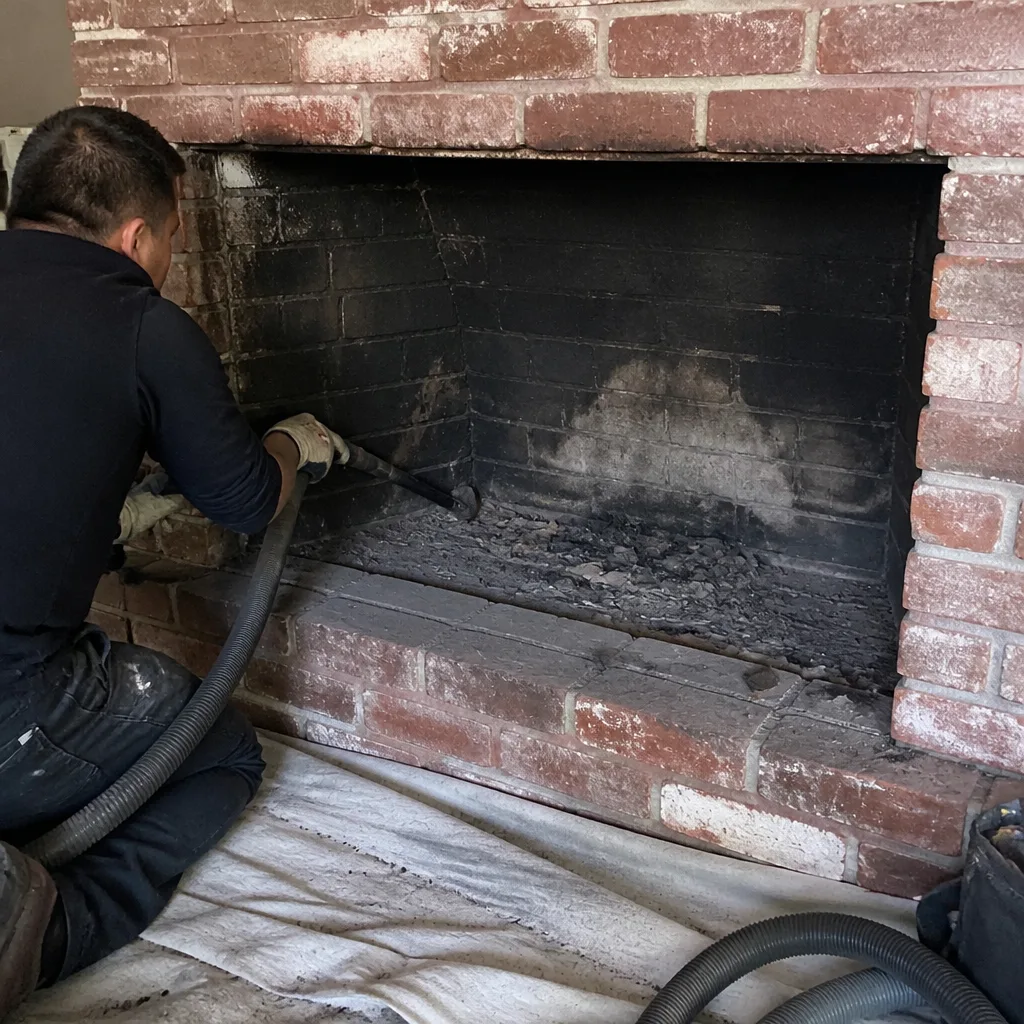 Before
 After
 Before
 After
When to Call a Professional
Some jobs need a trained technician, and chimney work is one of them. Call us if you’ve had a chimney fire, if you smell creosote or notice soot staining on the exterior masonry, if your damper sticks or won’t close, or if you’re buying a home and need a Level 2 inspection before closing. Call if a cap is missing or loose, if the crown is cracked, or if you’ve never had the chimney inspected and don’t know its history. Don’t wait on a carbon monoxide detector that’s been triggered anywhere near the fireplace; that’s a reason to get the flue checked. Fountain Valley Chimney Sweep offers free estimates in Fountain Valley – call (855) 337-1702. We answer 24/7. Fast dispatch from 7am to 7pm, Sunday through Friday.
Frequently Asked Questions
A standard chimney sweep in Fountain Valley typically runs $150 – $250, with a Level 1 inspection adding roughly $100 – $200. A sweep bundled with a Level 2 camera inspection usually lands around $300 – $400 total. Call (855) 337-1702 for an exact quote – estimates are free.
Only if there’s evidence the existing liner has failed – cracked tiles, separated joints, or a deteriorated interior visible on camera. A liner recommendation without footage or a written report is worth questioning. We won’t recommend relining without showing you what we found. Call (855) 337-1702 to schedule an inspection.
Plan on an annual inspection, with a sweep whenever creosote reaches about a quarter-inch. Lightly used fireplaces in Fountain Valley may go a couple of seasons between sweeps, but the inspection should still happen yearly. Call (855) 337-1702 to book a visit.
It’s not always a scam, but it’s almost never a full service. A $79 sweep typically covers a visual glance and a brush pass, priced to open an upsell conversation. Ask what’s included before booking, and be wary of major repair recommendations made the same day with no photos. Call (855) 337-1702 for a straightforward quote.
Creosote builds up and becomes a fire risk, and a damaged liner or blocked flue can let carbon monoxide back into the home. The risk grows with neglect, not overnight, but it does grow. An inspection catches problems while they’re still cheap to fix. Call (855) 337-1702 to get yours checked.
The sweep cleans; the inspection diagnoses. A sweep removes soot and creosote, while an inspection evaluates the liner, crown, cap, and firebox and produces a report on condition. A Level 2 inspection adds camera footage inside the flue. Most homes benefit from both during the same visit. Call (855) 337-1702 for a free estimate.
The Bottom Line
Chimney cleaning cost in Fountain Valley isn’t a single number – it’s a range that maps to what a company actually does. A $150 visit cleans. A $250 visit cleans and inspects. A $400+ visit inspects thoroughly and diagnoses. The $79 coupon is priced to start a sales conversation, not to finish a job. Use the benchmarks here to compare quotes on scope, not just total, and insist on evidence before any major repair. A company that handles the full chimney, from the firebox to the crown, can give you a clear estimate and stand behind it. That’s what we do at Fountain Valley Chimney Sweep.
If you’d like a written estimate for a sweep, inspection, or repair, call (855) 337-1702 for a free estimate. We answer 24/7. Fast dispatch from 7am to 7pm, Sunday through Friday. Our technicians have up to 11 years of experience, and we’ll tell you exactly what we find and exactly what it means.
Written by the team at Fountain Valley Chimney Sweep.