
Last updated November 25, 2026
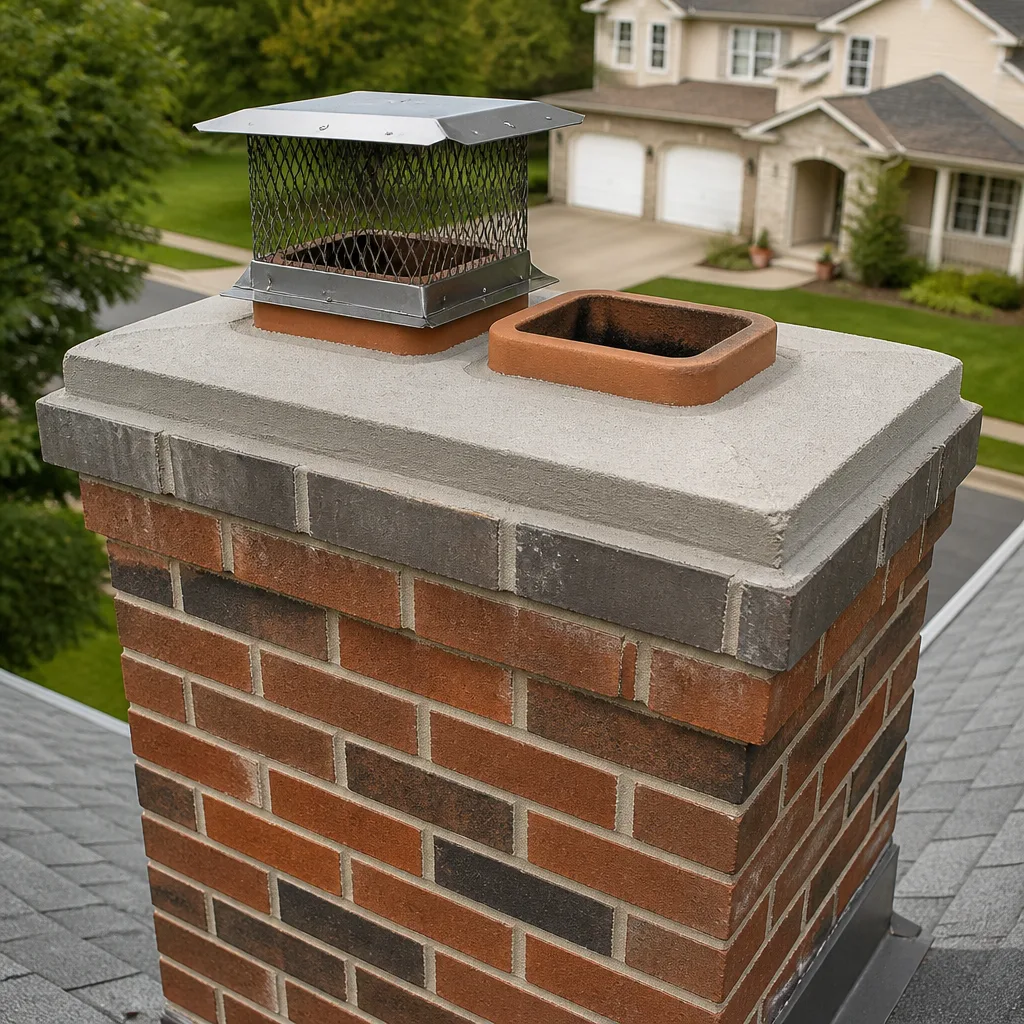 Sweep & inspection
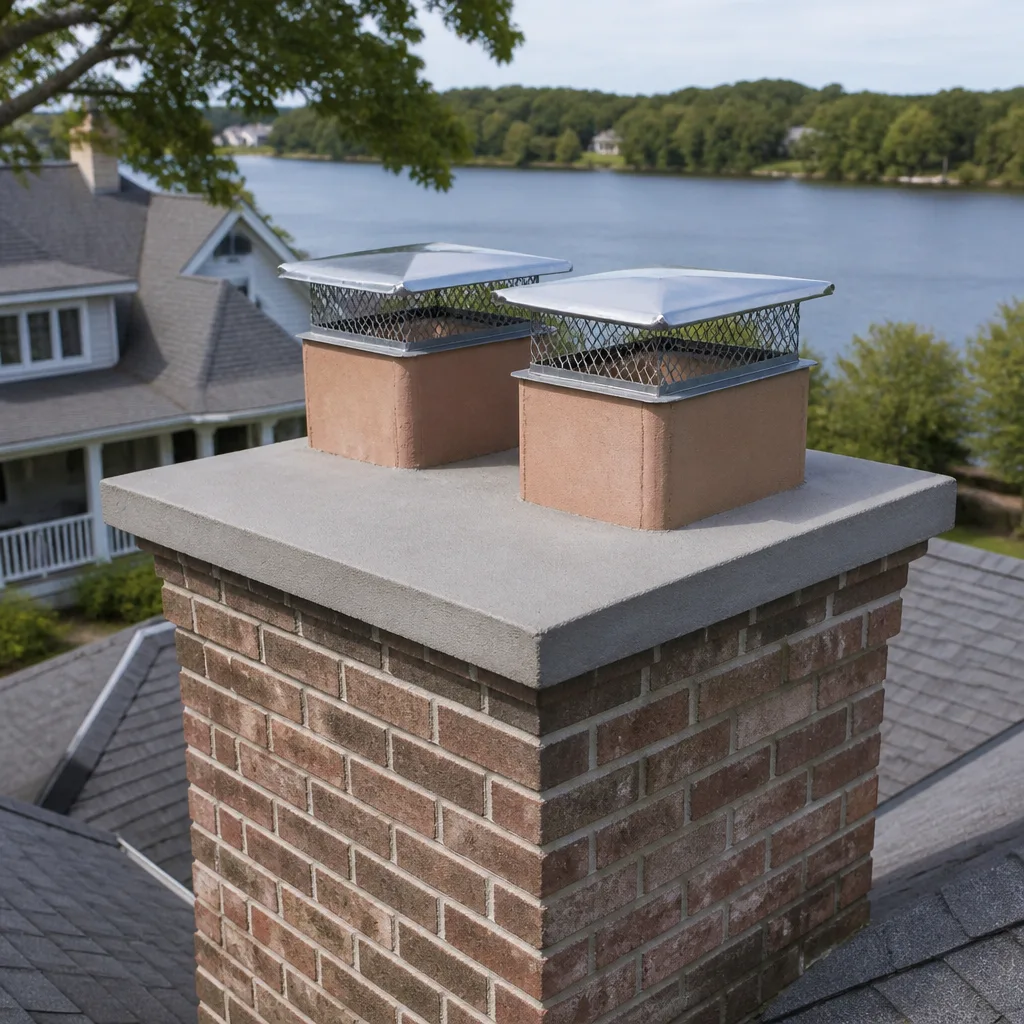 Caps & crowns
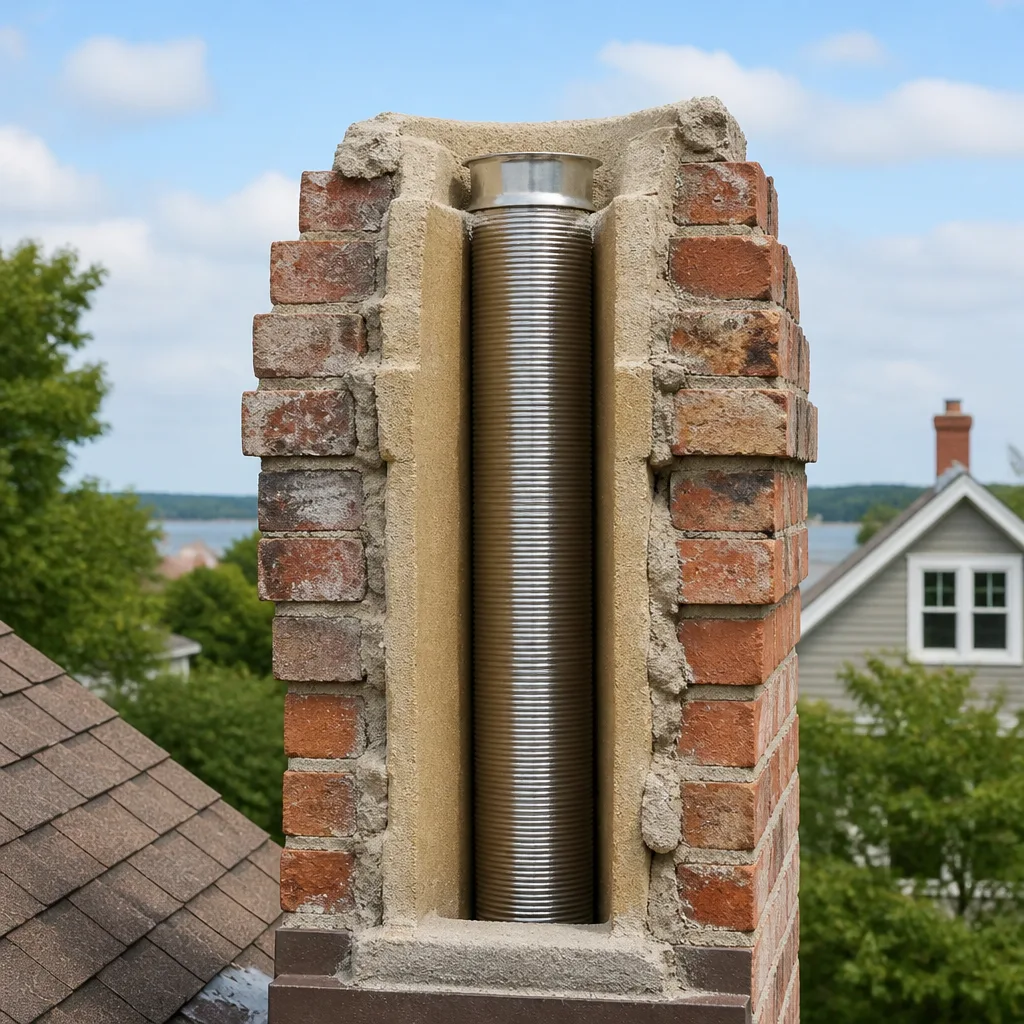 Flue relining
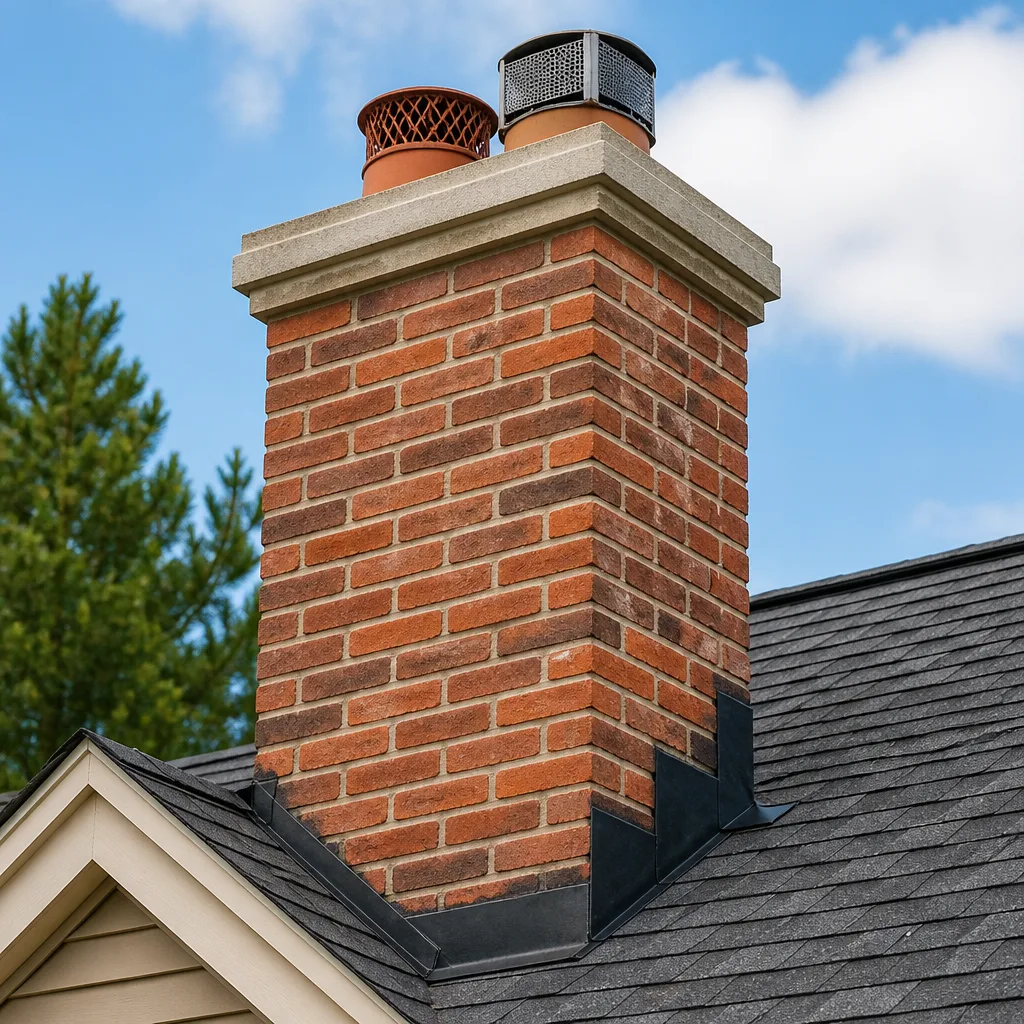 Masonry repair
 Gas fireplace service
Level 1 sweep and inspection to the NFPA 211 annual standard - flue, crown, cap, and flashing checked and photographed
Chimney sweep logs do not sweep chimneys. They loosen some creosote - which then falls where a brush and vacuum still have to collect it.
The Complete Guide to Chimney Cleaning in Fountain Valley
Most people picture chimney cleaning as a brush on a rod and a puff of soot. In practice, the brush is the shortest part of the visit, and the sweep itself is the least interesting thing a good technician does. What matters is what the sweeping reveals. Southern California changes the picture further: because fireplaces here go long stretches without use, creosote builds slowly and hardens into a glazed, tar-like layer that ordinary brushing skips right over. That single difference is why “it was cleaned last year” and “it’s safe to burn” are not the same sentence. This guide walks through the whole process from first inspection to final report so you know what you’re paying for, what the findings mean, and when a chimney in Fountain Valley can safely wait.
Quick Answer
Chimney cleaning in Fountain Valley is a diagnostic service, not a scrubbing service. A proper visit starts with a Level 1 inspection, removes creosote and debris, then checks the flue liner, smoke chamber, firebox and crown for damage the soot was hiding. Your post-sweep report tells you whether the chimney is clear for burning or whether something needs repair before the next fire.
Styles & brands we work with
- Sweep & inspection
- Caps & crowns
- Flue relining
- Masonry repair
- Gas fireplace service
Table of Contents
- Why chimney cleaning is a diagnostic process, not a scrub-down
- How Fountain Valley’s mild climate creates a specific creosote problem
- What a legitimate sweep includes (and what cut-rate operators skip)
- How a professional sweep works, step by step
- How to read your post-sweep report
- Who should be doing the work: certifications and credentials
- Why full-service matters: in-house repairs vs. referrals
- How often a Fountain Valley chimney needs sweeping
Why chimney cleaning is a diagnostic process, not a scrub-down
A chimney is a system, and a sweep is the only regular chance anyone gets to look inside it. Soot on the walls is obvious. What’s underneath the soot, behind the smoke chamber, or at the joint between the firebox and the flue is where real problems sit, and none of it is visible until the chimney is clean.
That’s why we treat the sweep as a look at the whole job. A chimney that was “cleaned” without an inspection was cleaned blind. The sweep found the creosote, but nobody checked the liner for cracks, the damper for operation, the smoke chamber for the corbelling that slows smoke on its way up, or the crown for the hairline fractures that let water in every time it rains. Those are the failures that actually cause trouble.
At Fountain Valley Chimney Sweep, we handle the full chimney from the firebox to the crown. That phrase gets used a lot in this trade, and it should mean something specific. It means the person sweeping your chimney also knows what a failing flue looks like from the inside, what a HeatShield resurfacing job can fix, and when the honest answer is “the chimney is fine, book it again in two years.” A clean chimney is the starting point. A safe chimney is the goal.
What “diagnostic sweep” means in practice
- The inspection comes before the cleaning, so the technician documents the chimney’s condition with soot still in place.
- The cleaning removes creosote and debris so damage can actually be seen.
- The post-sweep look confirms what the cleaning revealed and separates cosmetic wear from structural issues.
- Findings are photographed and explained, not just written on an invoice.
That order matters. An operator who only sweeps can clean the flue but has no reason to open up the firebox, check the smoke chamber or climb onto the crown. If two companies quote wildly different prices for a Fountain Valley chimney, this is usually the difference.
How Fountain Valley’s mild climate creates a specific creosote problem
Creosote forms when smoke cools before it leaves the chimney. Where winters are long and cold, people burn hot and often, and creosote tends to build fast but stay soft enough to brush away. Here it’s the opposite. Fireplaces in Fountain Valley get used for a few evenings in December, a stretch in January, and then sit idle for months. Each short fire deposits a thin layer of creosote, and then it cures in place the way a cast-iron pan seasons. Do that over several years and you get a glazed, hard, tar-like layer that adheres to the flue wall.
That’s the practical difference. Soft, powdery creosote (often called Stage 1) brushes off. Glazed creosote is a different material, and no standard brush pulls it from the wall. It sits there, and the next fire heats it directly, which is why glazed creosote is the layer that actually matters for chimney fire risk.
Why infrequent use creates glazed creosote
- A few short fires deposit thin layers of creosote on the flue walls.
- During long idle periods, moisture from the home’s air and the flue slowly cures those layers.
- Each subsequent short fire warms the cured layer rather than carrying it out, and it hardens.
- Over multiple seasons the layer becomes glossy, dense and mechanically difficult to remove.
This is also why the sweep interval here is different from what generic national advice suggests. A chimney used a few times a year for two or three seasons can look clean at the top and be badly glazed halfway down. The inspection catches that. When the flue interior is glazed and deteriorated, we may recommend HeatShield resurfacing rather than a standard sweep, because the flue has reached a point where cleaning alone won’t restore safe venting. That’s the kind of judgment a sweep-only operator can’t offer, because they’d have to refer the repair out.
What a legitimate sweep includes (and what cut-rate operators skip)
The visible part of a sweep takes twenty minutes. The inspection, protection of your home, and documentation take longer, and that’s the work. A proper job in Fountain Valley covers every component the fire touches and everything downstream of it.
What a complete sweep covers
- Flue liner check: the liner is the barrier between combustion gases and the framing of your house. Cracks, gaps, missing mortar joints and a smooth, glazed interior are all things a qualified technician documents.
- Smoke chamber condition: the corbelled area above the damper is where smoke lingers and creosote accumulates. It’s also where a lot of chimney fires start, and where a sweep-only operator will not look.
- Firebox joint integrity: the mortar joints between firebrick are where heat finds its way into the surrounding structure. Loose joints or a failed firebox wall mean the chimney is no longer containing what it should.
- Damper operation: the damper should open fully, seal when closed and move without obstruction. A warped or jammed damper changes how the chimney drafts.
- Crown and cap condition: the crown sheds water away from the flue, and the cap keeps water and animals out. Cracked crowns and rusted, missing or damaged caps are among the most common causes of chimney water damage, and most homeowners never think to check them.
- Flue for obstructions: nests, leaves, decaying mortar and animal debris get removed, not raked over.
What cut-rate operators skip
- They brush the flue and skip the smoke chamber and firebox.
- They don’t photograph anything, so the homeowner has no record of conditions.
- They don’t inspect the crown or cap.
- They provide no written report, only a verbal “you’re all set.”
- They quote liner replacement without showing you why.
If the price seems a third of anyone else’s, this is usually the list of differences. There’s also no substitute for professional-grade materials if any hardware needs replacing, which is why we work with brands like Olympia Chimney and Gelco rather than the generic products sold at hardware stores.
How a professional sweep works, step by step
A thorough sweep follows the same general sequence wherever the chimney is, and knowing it helps you tell a real visit from a rushed one. Nothing about the process is exotic – a technician lays drop cloths, works from the firebox and the top of the flue, cleans the flue with brushes and rods, vacuums with a HEPA machine, inspects, and writes it up. What follows is that sequence in detail.
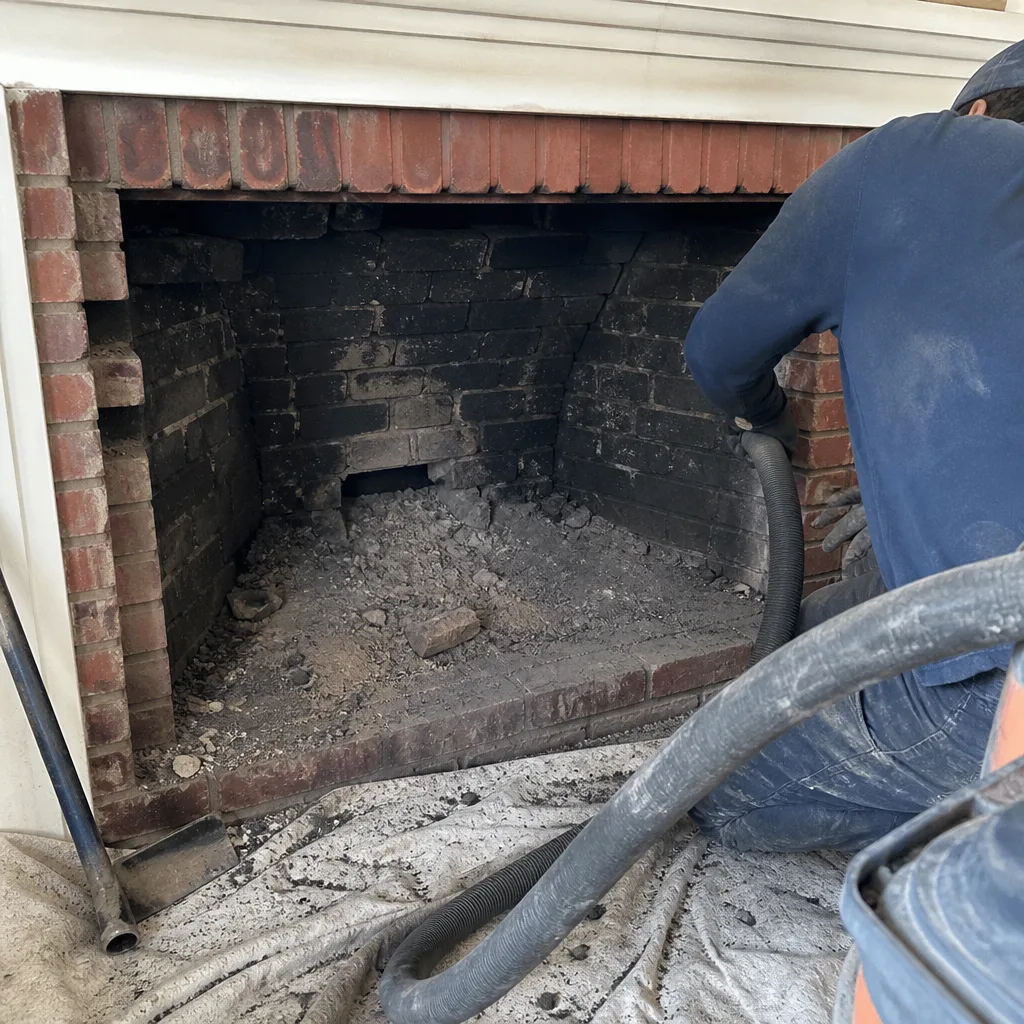
- Arrival and set-up. Drop cloths go down around the fireplace opening. A HEPA vacuum attaches to the firebox to contain dust.
- Pre-clean inspection. The technician documents the chimney’s condition before the sweep, noting anything visible from the firebox and the roof.
- Crown and cap check from above. Loose mortar, cracked crown, cap damage, and the flue tile top are reviewed.
- Cleaning. Brushes sized to the flue remove creosote and soot, and debris is removed from the smoke chamber, smoke shelf and firebox.
- Flue liner inspection. A camera or a bright light goes down the flue to review the liner for cracks, gaps and glazing.
- Damper check and hardware review. The damper, firebox joints and any cap or crown hardware are tested or evaluated.
- Post-sweep documentation. Findings are photographed and a written report is prepared for the homeowner, with an explanation of any recommended work.
We’ll tell you exactly what we find and exactly what it means. The report is the important part of that sentence. If everything is intact, you’ll hear that, and you’ll hear it in writing. If something needs repair, you’ll see the photograph and understand the reasoning before you decide.
How to read your post-sweep report
A report is a document with findings, not a checklist with checkmarks. The difference between “findings” and “urgent” is the difference between booking a re-sweep in a year and booking a repair before the next fire. Here’s how to read one.
Findings that warrant action
- Glazed creosote anywhere in the flue: it needs removal before the next fire. If the flue interior is also cracked or deteriorated, resurfacing or relining is likely required.
- Cracked or missing flue tiles: this is a safety issue and usually the point at which relining gets discussed.
- Failed firebox mortar joints: heat can escape the firebox, and this is not a wait-and-see item.
- Damaged crown or missing cap: water is the leading cause of chimney deterioration, and fixing this early prevents a bigger, more expensive repair later.
- Obstructed flue: smoke and carbon monoxide have to go somewhere, and an obstruction changes where.
Findings that can safely wait
- Light surface creosote that was fully removed by the sweep.
- Minor cosmetic wear on the firebox brick with intact joints.
- A sound chimney with a clean flue, scheduled for a routine re-sweep in a defined interval.
If a report recommends repair, it should show you why. Photos, a clear description of what was found, and an explanation of the risk if it goes unaddressed. For a deeper look at what structural repairs actually involve, our page on chimney repair walks through the common failures and the materials used to fix them.
Who should be doing the work: certifications and credentials
There’s no state license specifically for chimney sweeping in California, which means anyone can pick up a brush and call themselves a chimney cleaner. The credentials that matter in this trade are voluntary industry certifications (CSIA and NFI being the most recognized) and the practical experience that comes with them. Ask before you book. A trained technician will tell you what they hold and what they don’t.
Why it matters for insurance: if a chimney fire happens and a claim is filed, the insurer will want to know who serviced the chimney and what they found. A report from a qualified technician with documented findings is straightforward. A receipt from an unlicensed “chimney cleaner” with no report is a harder discussion. This is not a reason to be dramatic about your own chimney; it’s a reason to expect documentation every visit.
What to ask when you call
- Who is coming, and what training do they have?
- What does the sweep include, and is a written report part of it?
- Do you inspect from the firebox and the roof?
- Is the price quoted the price charged, or does it change on the day?
- If you find a problem, can you fix it, or will you refer it out?
Our technicians have up to 11 years of experience. In our experience, the last question is the one that separates companies. A sweep-only operator will refer repair work elsewhere, which means a second visit, a second set of eyes, and sometimes a second opinion on whether the repair was needed at all.
Why full-service matters: in-house repairs vs. referrals
A chimney has four working parts that matter for safe burning: the firebox, the smoke chamber, the flue and the crown. When one company handles all four, the inspection that finds a cracked crown is the same inspection that can fix it. When a sweep-only operator finds a problem, the homeowner has to start over, and the repair is quoted by someone who never saw the chimney swept.
Fountain Valley Chimney Sweep handles the full scope: sweeping, inspections, fireplace repair, chimney repair, and cap and crown installation. That includes the materials and systems that repairs actually call for:
- DuraFlex flexible liner systems for code-compliant relining when the existing flue can’t safely vent an appliance.
- HeatShield resurfacing for flue interiors that are deteriorated but still structurally usable, restoring the interior without a full tear-out.
- Gelco and Famco caps and crowns for the water-defense side of the system.
- Olympia Chimney components where drop-in replacement parts are called for.
If a repair is needed, the same conversation you had at the sweep carries into the quote. If you’d rather keep the sweep and the repair separate, that’s a fine choice, but know that the diagnostic value of a good sweep is highest when the person doing it can act on what they find.
For a broader overview of our work, including what a typical visit involves, see Fountain Valley Chimney Sweep.
How often a Fountain Valley chimney needs sweeping
The standard guidance from the sweep trade is to have a chimney inspected annually and swept when conditions warrant. In Fountain Valley, “when conditions warrant” looks different than in colder parts of the country. A fireplace used heavily for a few weeks each winter may need a sweep every year or two. A fireplace used occasionally may go longer, but the inspection should still happen annually, because the problem this climate creates – slow, glazed creosote – is not visible from the ground.
Practical triggers for a sweep
- You’re starting a new burn season and haven’t had the chimney looked at in a year.
- You’ve just bought an older Fountain Valley home and have no service records.
- You’ve burned wood that was not fully seasoned, which deposits faster.
- You notice a stronger smoky smell in the house when the fireplace is not in use.
- You see visible soot or flaking on the firebox walls.
- You’ve had a chimney fire, even a small one, and want it checked.
Book the sweep before the burn season, not during it. There’s nothing gained by waiting for the first cold evening to call. If you’re planning an appliance upgrade, the sweep is the right time to ask about venting too, because a chimney sweep visit is where liner condition is observed directly and the decision about relining gets made.
Common Mistakes to Avoid
- Treating “cleaned” as “inspected.” A sweep without an inspection is half the service. Ask specifically whether the flue liner, smoke chamber and firebox joints were checked.
- Hiring on price alone. In Fountain Valley, a quote that seems too good to be true is often a brush-only visit with no report. Confirm what’s included before you book.
- Burning unseasoned wood to save money. Wet wood deposits creosote faster and burns cooler. The cost of poorly seasoned wood shows up later as glazing in the flue.
- Ignoring the crown and cap. Most chimney deterioration starts at the top with water intrusion. A cracked crown or missing cap is cheaper to fix now than the damage it does over the next few seasons.
- Assuming a warm climate means less maintenance. The pattern here is slow, hard creosote from infrequent use. It’s easy to miss because the flue looks fine from the roof.
- Accepting a liner replacement quote without photographs. A legitimate recommendation includes evidence of the problem. Ask to see it.
- Waiting until you smell smoke to call. The chimney has usually been compromised for a while by the time smoke backs up. Annual inspection catches it earlier.
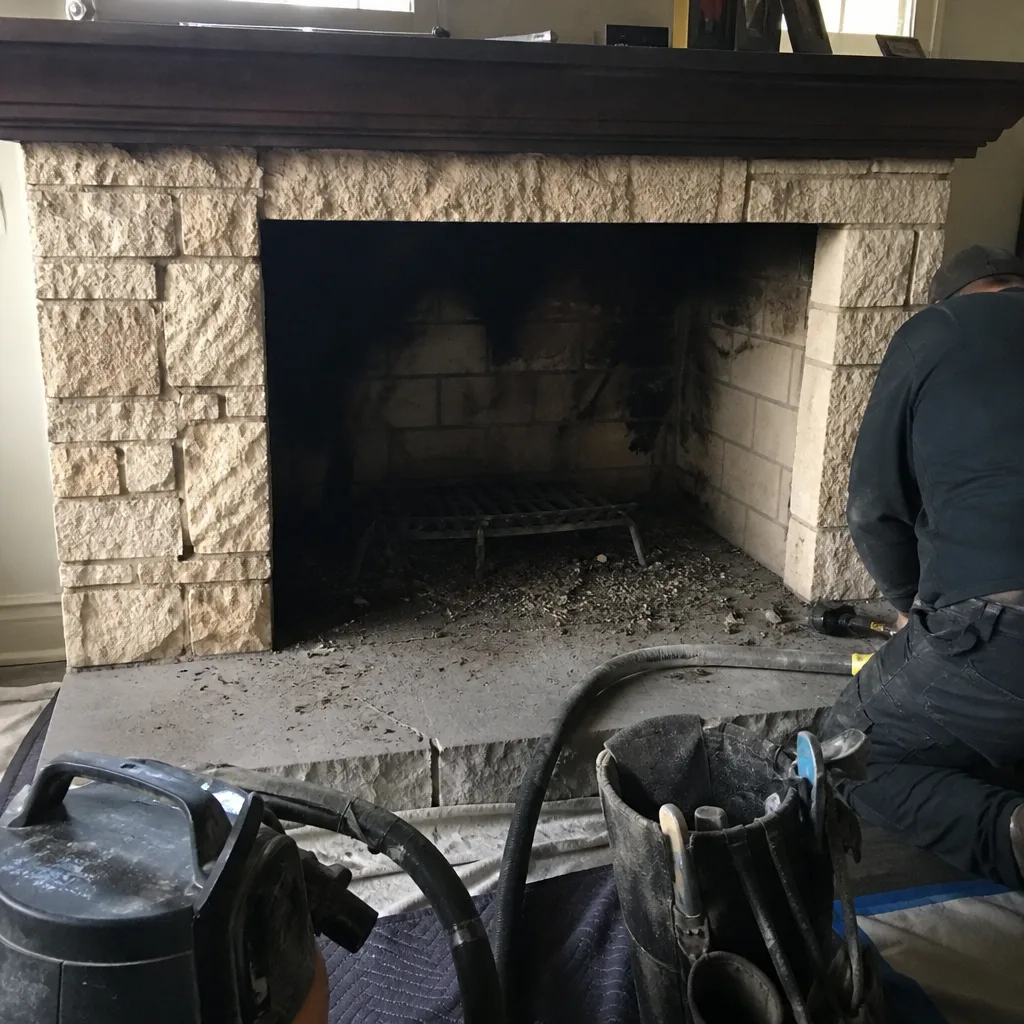
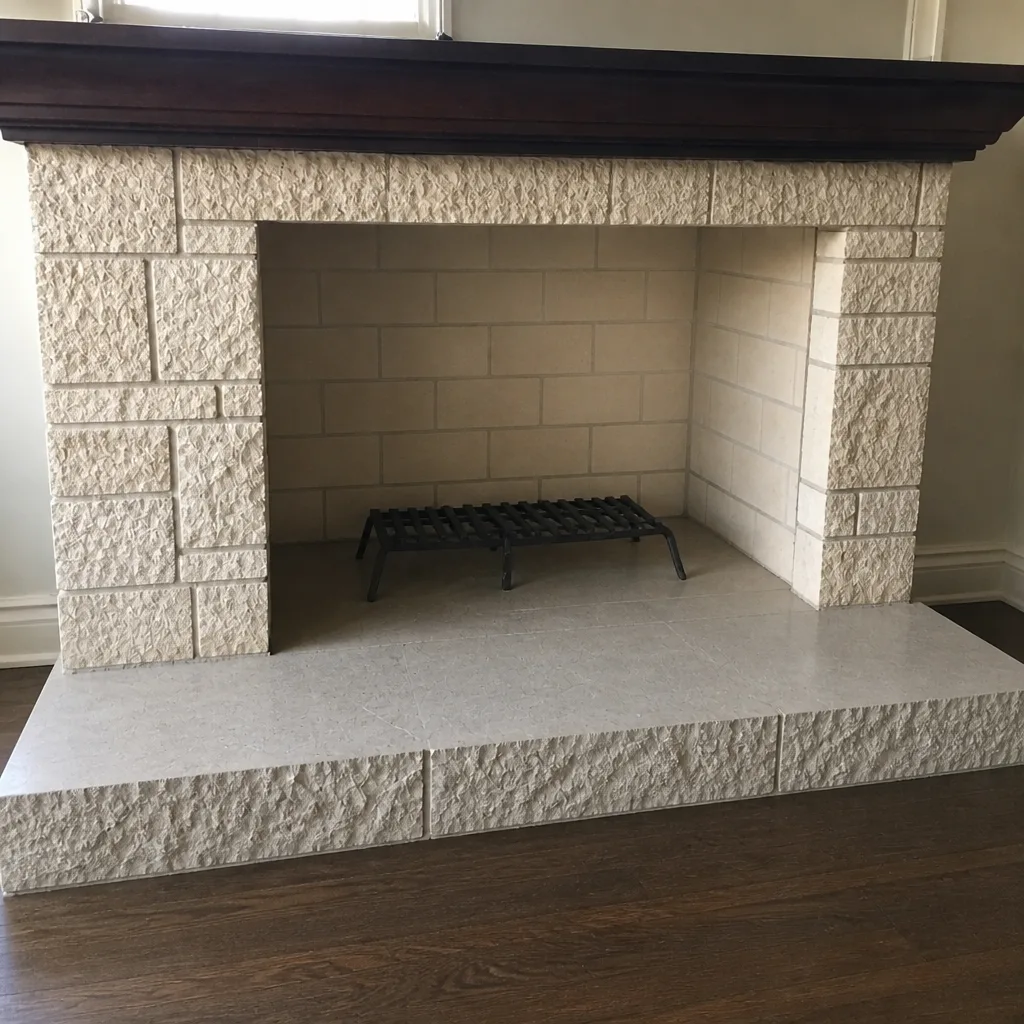
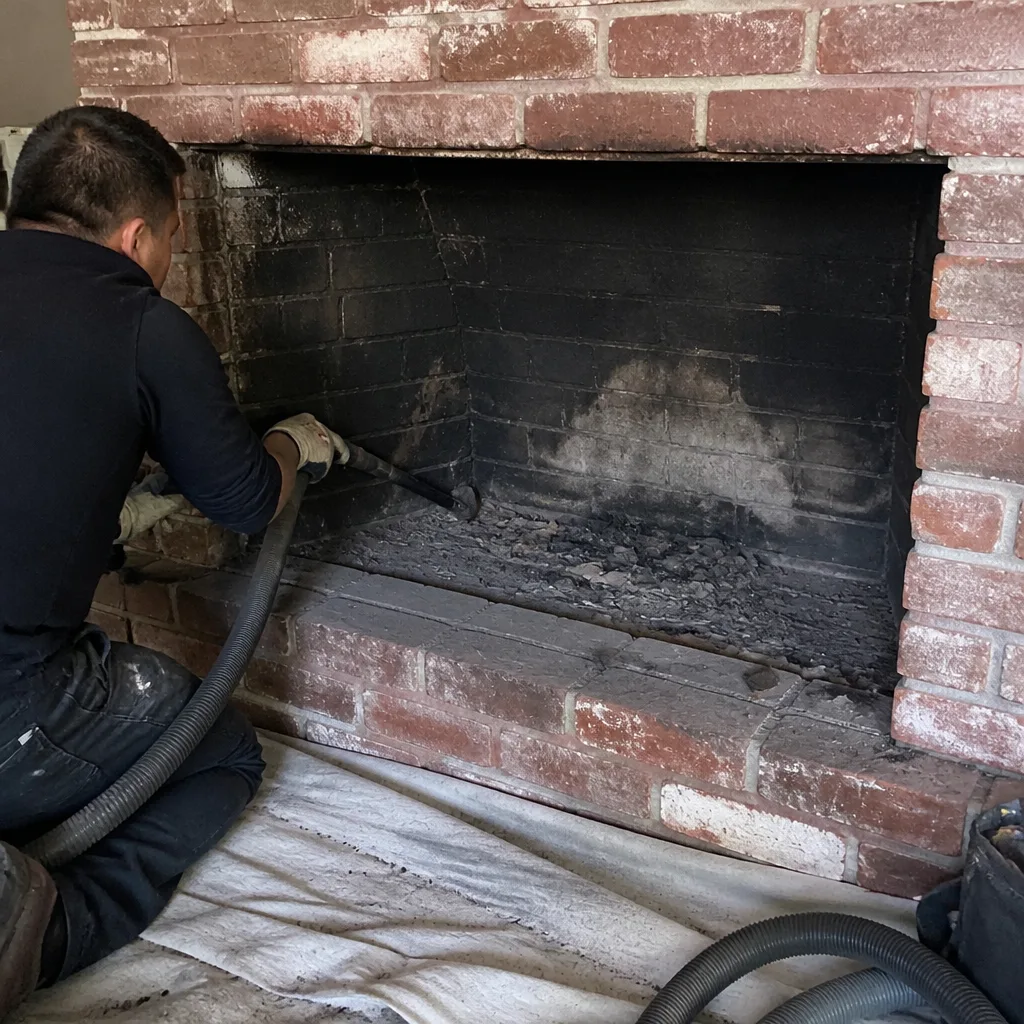
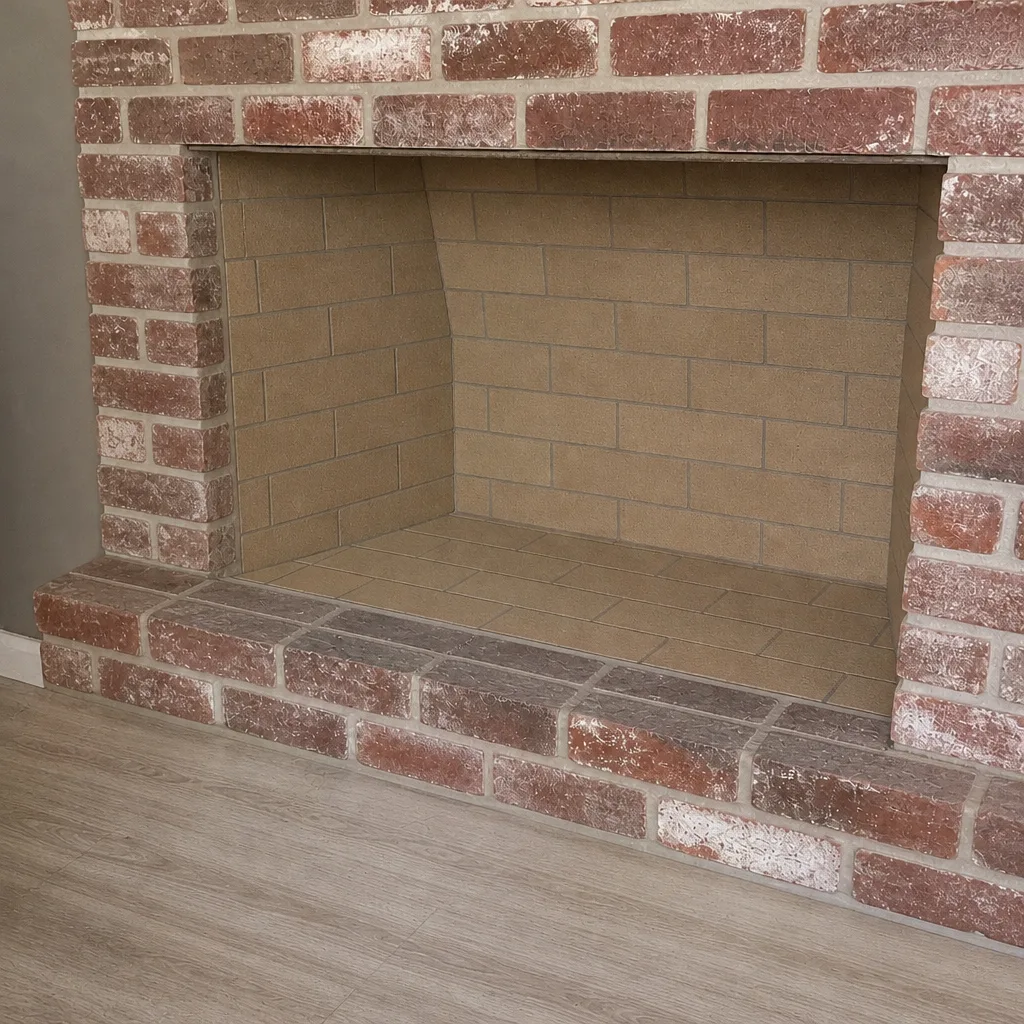
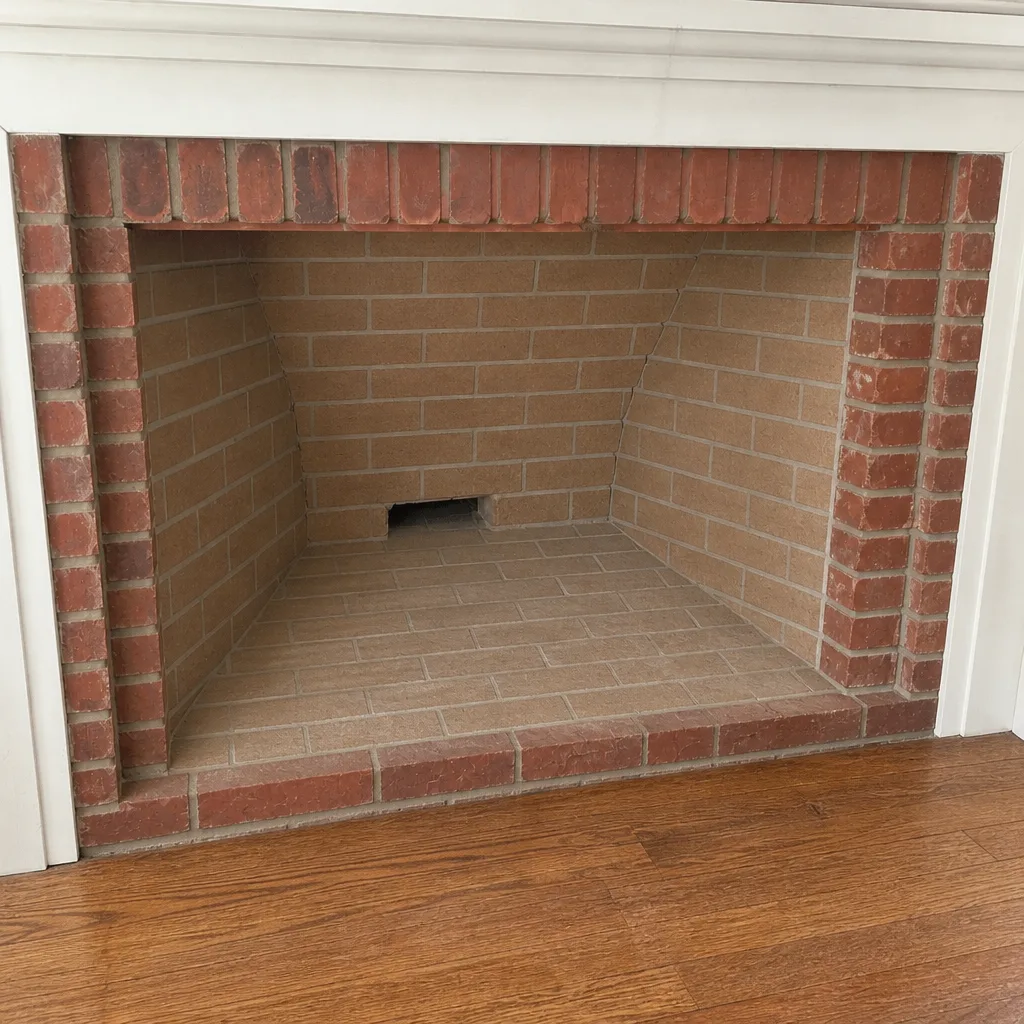
See the difference
 Before
 After
 Before
 After
 Before
 After
When to Call a Professional
Call a professional if you’re starting a new burn season and haven’t had the chimney looked at in a year, if you’ve just bought an older home in Fountain Valley and have no records, or if anything about the chimney’s behavior has changed: smoke backing into the room, a stronger smell whether or not the fireplace is burning, visible cracking in the firebox, loose mortar, or a chimney fire you’d like properly checked. You should also call if a chimney has been unused for years and you’d like to start using it again. Carbon monoxide has no smell, so odd symptoms in the house – headaches, a smoky smell that won’t clear – are also a reason to have the chimney and venting reviewed before you burn again. If any of that sounds like your situation, the sweep is the right first step. Fountain Valley Chimney Sweep offers free estimates in Fountain Valley. Call (855) 337-1702. We answer 24/7. Fast dispatch from 7am to 7pm, Sunday through Friday.
Frequently Asked Questions
A standard sweep in Fountain Valley is typically priced per job and quoted before we start, with the written estimate setting the final price. The cleaning, inspection and written report are part of what we quote, so the price you agree to is the price you pay. Call (855) 337-1702 for an exact quote, with a free estimate.
Yes, because infrequent use is exactly what produces glazed creosote in Fountain Valley’s climate. The fires are short, the idle periods are long, and the deposits cure into a hard layer that doesn’t brush off. An annual inspection tells you whether that layer is building up before it becomes a safety issue. Call (855) 337-1702 to book one.
A chimney should be inspected annually, and swept whenever the inspection finds enough creosote or debris to warrant it. For many Fountain Valley homeowners that’s every year or two depending on how much they burn. The annual inspection is the non-negotiable part. Call (855) 337-1702 for a free estimate.
Creosote builds up and hardens, reducing the chimney’s ability to vent smoke and adding fuel to the flue. A small chimney fire can damage the liner without obvious signs, and a compromised liner is a carbon monoxide risk. There’s no need to be alarmed, but there’s also no reason to let the condition go unaddressed. Call (855) 337-1702 to schedule a look.
Yes. A proper sweep works from the firebox as well as the roof, so the smoke chamber, damper and firebox joints get checked, and drop cloths and a vacuum contain dust. A sweep done only from the roof is a partial service. Call (855) 337-1702 for a free estimate.
We handle the full scope: sweeping, inspections, cap and crown work, liner work and fireplace repair. That means if the sweep finds a cracked crown or a deteriorated flue, the same visit turns into a written quote for the fix, with photographs and an explanation. Call (855) 337-1702 to book.
The Bottom Line
Chimney cleaning in Fountain Valley is a way to find out what’s going on inside a chimney, not just a way to remove what’s on the walls. The mild climate here produces slow, hard creosote from infrequent use, and glazed layers don’t come off with a brush. A legitimate sweep covers the flue liner, smoke chamber, firebox joints, damper, crown and cap, and it ends with a written report you can actually read. Ask who is doing the work, confirm what’s included, and don’t accept a repair recommendation without evidence. A clean chimney is the starting point. A safe chimney is the goal.
If you’re ready to schedule, Fountain Valley Chimney Sweep offers free estimates in Fountain Valley. Call (855) 337-1702. We answer 24/7. Fast dispatch from 7am to 7pm, Sunday through Friday. If you’re also looking at fireplace-side work, our fireplace repair page explains what’s involved, and the sweep is usually the first step.
Written by the team at Fountain Valley Chimney Sweep.